
The surprising stock cube trick that makes fried chicken taste better
Why the stock cube makes a difference
A home cooking enthusiast shares six practical tips for creating perfectly seasoned, crispy, and golden fried chicken, emphasizing a simple stock cube method to boost flavor. Published in September 2026, the advice focuses on accessible techniques anyone can try in their kitchen to elevate a classic dish without complicated ingredients or equipment.
Latest news
 Moe's Southwest Grill Menu Items Ranked from Worst to Best
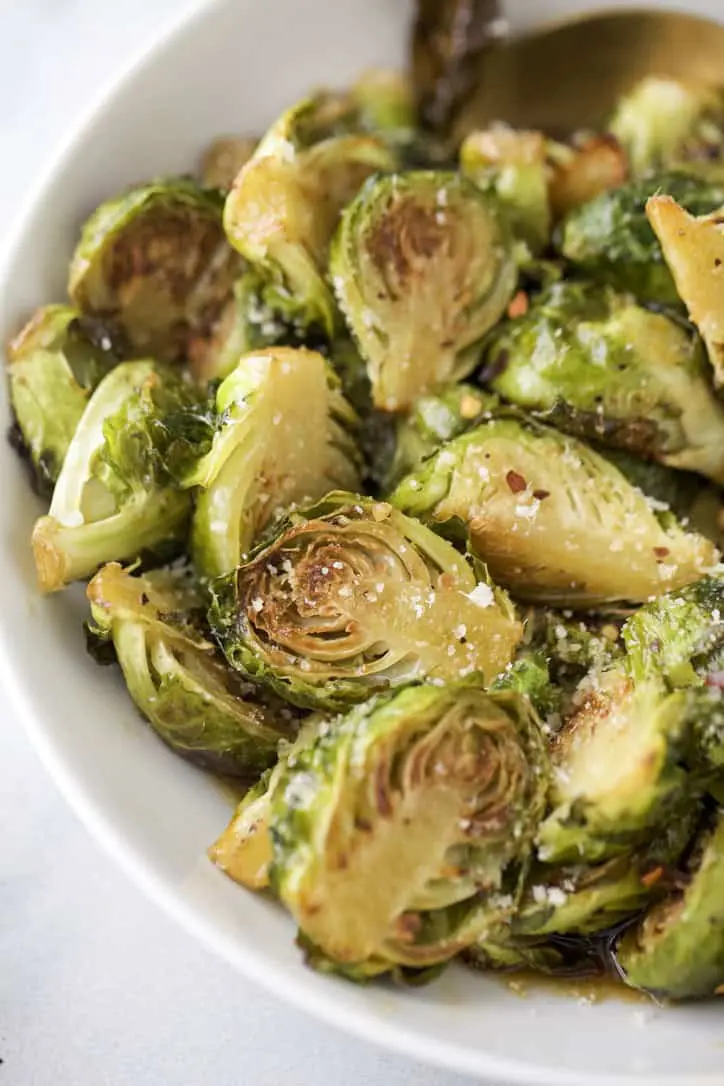 Hot Honey Brussels Sprouts: A Sweet‑Spicy Side That Turns Heads
 Turn Your Pasta Sauce Into a Nutritional Powerhouse
 West Coast IPAs vs East Coast IPAs: A Flavor Battle Across the United States
The core suggestion involves dissolving a stock cube in the marinade or brine to infuse the chicken with deep savory notes before frying. This step enhances umami richness, helping the meat stay juicy while developing a more complex taste profile. Additional tips include patting the chicken dry before coating, using a mix of flours for texture, maintaining oil temperature, and resting the chicken after cooking to preserve crispiness.
How to keep the crust crispy every time
The stock cube contributes salt, spices, and savory compounds that penetrate the meat during marination. Unlike surface seasoning alone, this method ensures flavor reaches deeper into the chicken, reducing the need for heavy salting afterward. Barney Desmazery notes that this approach balances taste without overpowering the natural flavor of the poultry, especially when combined with aromatics like garlic or thyme in the brine.
Achieving a lasting crunch depends on moisture control and heat management. After marinating, the chicken should be thoroughly dried to prevent steam from softening the coating. A double-dredge technique—first in seasoned flour, then in egg wash, and back in flour—creates a thicker barrier. Frying in oil heated to 325–350°F and avoiding overcrowding the pan ensures even browning and crispness that lasts even after resting.
What if you don’t have stock cubes?
While stock cubes deliver consistent results, alternatives like soy sauce, miso paste, or a splash of Worcestershire sauce can provide similar umami depth. The key is incorporating soluble savory elements into the wet component of the marinade. Desmazery suggests experimenting with small amounts to avoid making the mixture too salty or liquid-heavy, which could affect adhesion of the coating.
Can I use chicken stock instead of a cube? Yes, but reduce other liquids in the marinade to compensate for the added volume. Stock cubes are more concentrated, so adjust quantities accordingly to avoid making the mixture too wet.
Frequently Asked Questions
Will this trick work with boneless cuts? Absolutely. Boneless thighs or breasts benefit just as much, though cooking time should be adjusted to prevent overcooking while still achieving a golden exterior.
How long should I marinate the chicken? For best results, marinate for at least two hours, or overnight in the refrigerator. This allows the flavors to fully penetrate and the meat to tenderize slightly.
Content written by Barney Desmazery for fancy-meals.com editorial team, AI-assisted.