
Turn Your Pasta Sauce Into a Nutritional Powerhouse
How to Add Legumes Without Losing Texture
A simple tweak can transform the ordinary tomato‑based sauce that tops most pasta dishes into a meal‑ready, nutrient‑rich staple. By adding a small amount of a common pantry ingredient, home cooks can boost protein, fiber, and micronutrients without altering the familiar flavor profile.
Latest news
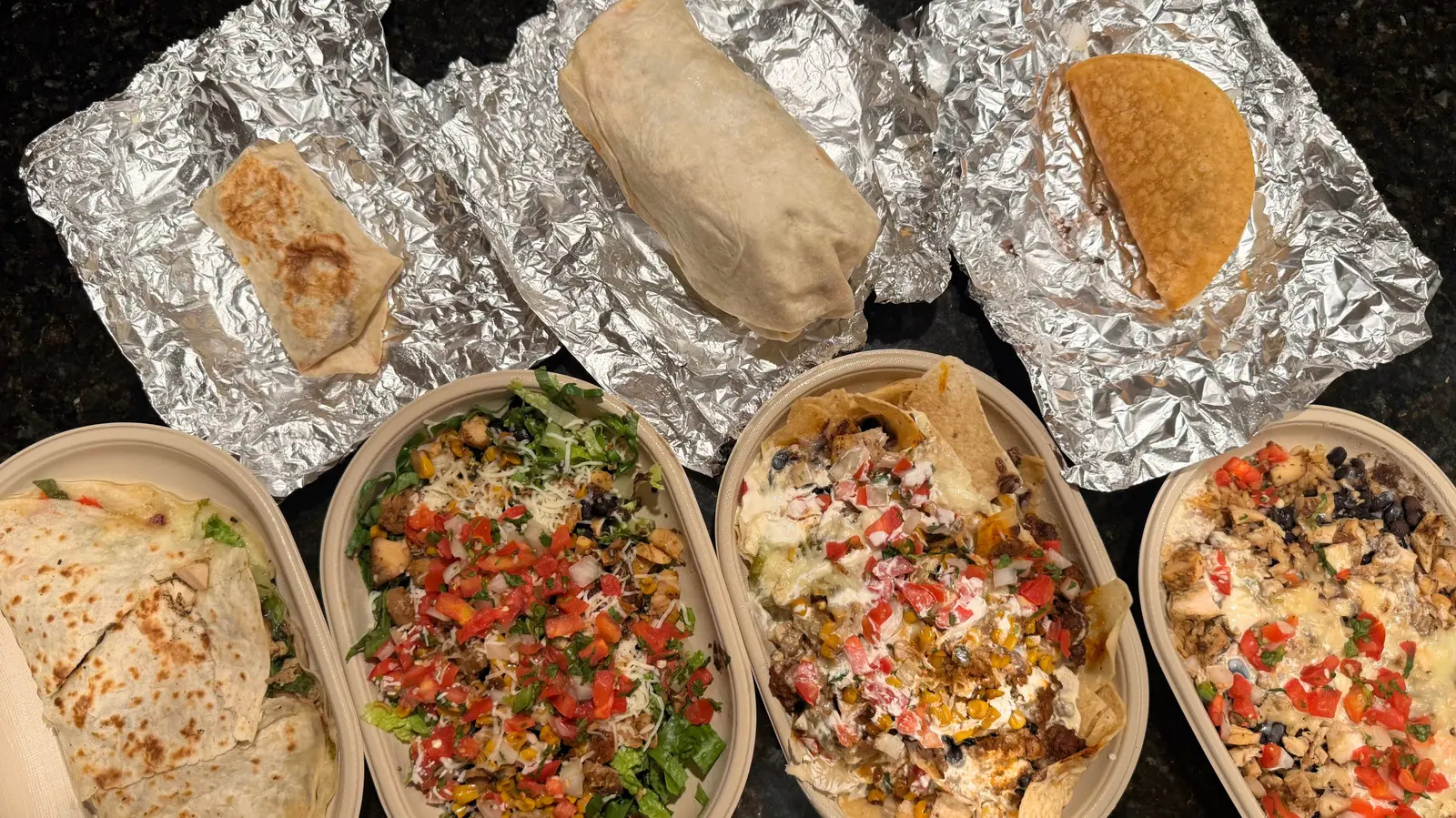 Moe's Southwest Grill Menu Items Ranked from Worst to Best
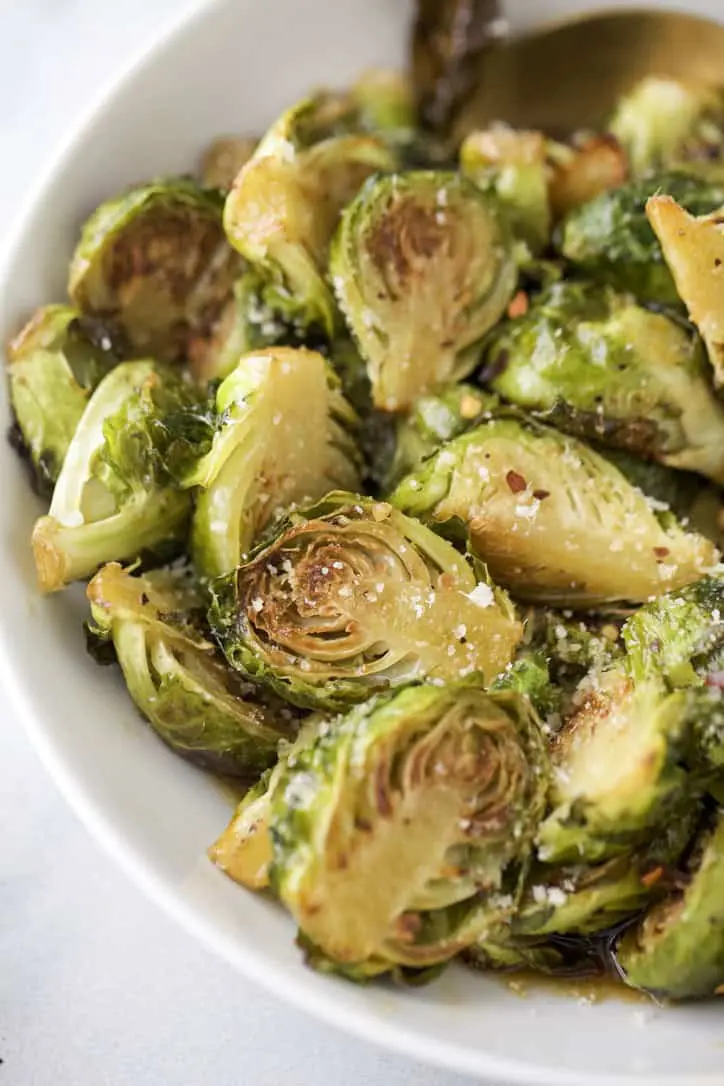 Hot Honey Brussels Sprouts: A Sweet‑Spicy Side That Turns Heads
 West Coast IPAs vs East Coast IPAs: A Flavor Battle Across the United States
 Caramelized Onion Focaccia Elevates Classic Flatbread
The trick is to stir in a tablespoon of cooked lentils or chickpeas before simmering the sauce. These legumes contribute about 7 grams of protein and 3 grams of fiber per tablespoon, while also adding iron, magnesium, and potassium. Because they absorb the tomato juices, the sauce thickens naturally, eliminating the need for extra thickeners. The result is a velvety, earthy base that supports a balanced diet.
The concept gained traction after a recent nutrition study published in the Journal of Culinary Science found that legumes incorporated into tomato sauces increased satiety scores by 15% compared with plain sauce. Dr. Elena Ruiz, a dietitian at the University of California, notes that „the combination of fiber and protein slows digestion, keeping blood sugar levels steady.” This aligns with the growing demand for quick, wholesome meals that help manage weight and energy levels.
Can You Use Other Ingredients? What Works Best?
Start by cooking the lentils or chickpeas until tender but still firm. Drain and rinse, then mash lightly with a fork or blend in a small portion of the sauce. This technique ensures the legumes remain visible and provide a pleasant bite. If you prefer a smoother texture, pulse them in a food processor before adding. The key is to blend enough to integrate the flavors while preserving the sauce’s thickness.
Season the mixture with herbs like oregano, basil, and a pinch of red pepper flakes. A splash of balsamic vinegar can enhance the tang, and a drizzle of olive oil adds healthy fats. Simmer for 10–15 minutes to meld the flavors. The final dish should be richer in color and have a slightly thicker consistency than standard marinara.
Beyond legumes, seasoned experts suggest experimenting with finely shredded vegetables such as zucchini, carrot, or spinach. These add micronutrients and bulk without overwhelming the sauce. For a vegan twist, a spoonful of nutritional yeast can introduce a cheesy aroma and boost B‑vitamin content. However, the legume method remains the most straightforward and widely available option for most households.
The Long‑Term Benefits of a Supercharged Sauce
The impact of these additions extends beyond taste. By incorporating plant‑based protein, the sauce becomes suitable for vegetarian and vegan diets, expanding its appeal. Restaurants and food service providers are also adopting the technique to offer healthier menu options without compromising flavor.
Consuming a sauce enriched with legumes can help meet daily protein and fiber targets, especially for individuals who rely on pasta as a staple. Over time, this practice may reduce the risk of chronic conditions such as heart disease and type 2 diabetes. Moreover, the simple preparation encourages families to experiment with other nutrient‑dense ingredients, fostering a culture of mindful cooking.
As culinary trends shift toward convenience and health, this sauce enhancement offers a practical solution. It requires minimal additional time, uses inexpensive ingredients, and delivers measurable nutritional gains. Home cooks and food service operators alike can adopt the method to elevate everyday meals.
Frequently Asked Questions
What type of legume is best for boosting protein in pasta sauce? Cooked lentils or chickpeas are ideal because they are inexpensive, readily available, and add both protein and fiber without altering the sauce’s flavor.
Can I use canned legumes instead of cooking them from scratch? Yes, canned lentils or chickpeas work well. Rinse them thoroughly to reduce sodium, then mash or blend before adding to the sauce.
Will adding legumes make the sauce too thick for my pasta? If the sauce becomes too thick, thin it with a splash of pasta water or a bit of broth. The legumes will still provide the nutritional benefits while maintaining a pourable consistency.
Content written by [email protected] (Nicole M. LaMarco) for fancy-meals.com editorial team, AI-assisted.