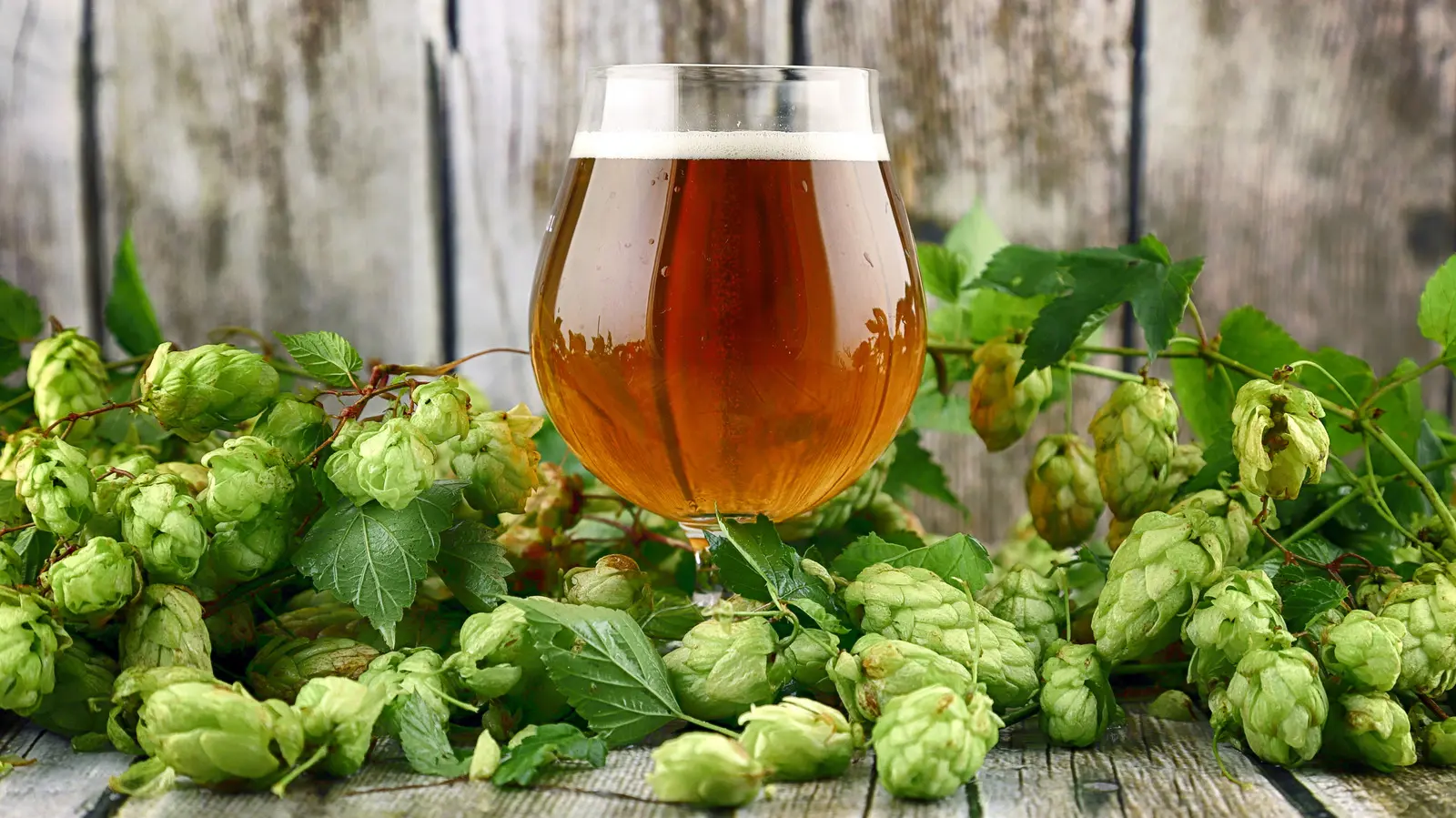
West Coast IPAs vs East Coast IPAs: A Flavor Battle Across the United States
The brewing process often incorporates a longer mash time and a richer malt bill
A recent exploration into American craft beer uncovers how regional styles of India Pale Ale differ in taste, brewing technique, and cultural influence. The comparison highlights how climate, hop varieties, and historical brewing traditions shape the distinct profiles of West Coast and East Coast IPAs. The distinction between West Coast and East Coast IPAs traces back to the 1700s when the original India Pale Ale was created to survive long sea voyages. Modern American brewers have adapted the style, but regional variations now dominate the craft scene. West Coast IPAs emphasize hop bitterness and a dry finish, while East Coast IPAs focus on aromatic complexity and a fuller body. Bitter Roots: The West Coast Approach West Coast brewers prioritize aggressive hop usage, often employing American hop varieties such as Cascade, Centennial, and Chinook. These hops deliver piney, citrusy flavors that complement the beer’s high bitterness.
Latest news
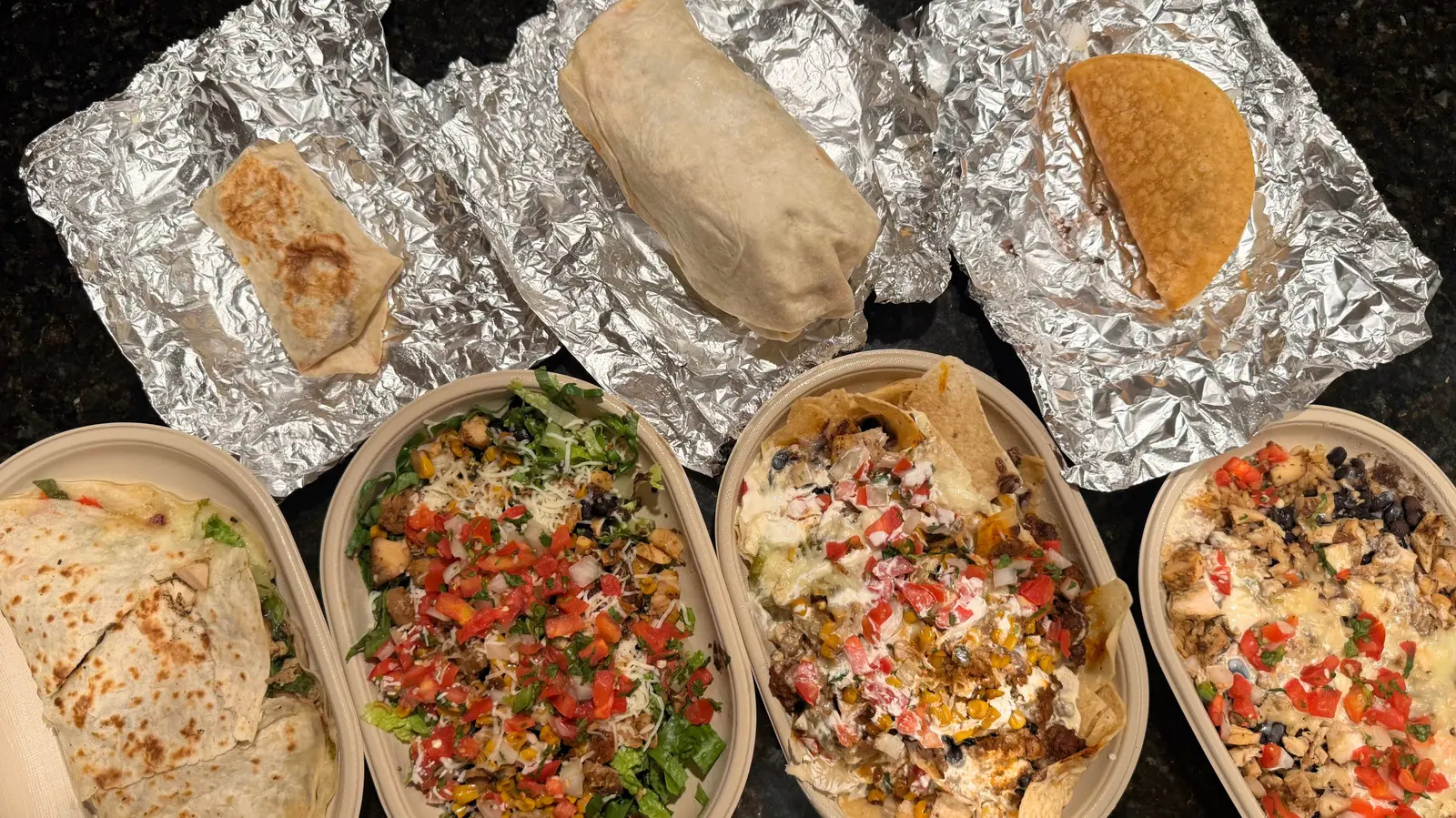 Moe's Southwest Grill Menu Items Ranked from Worst to Best
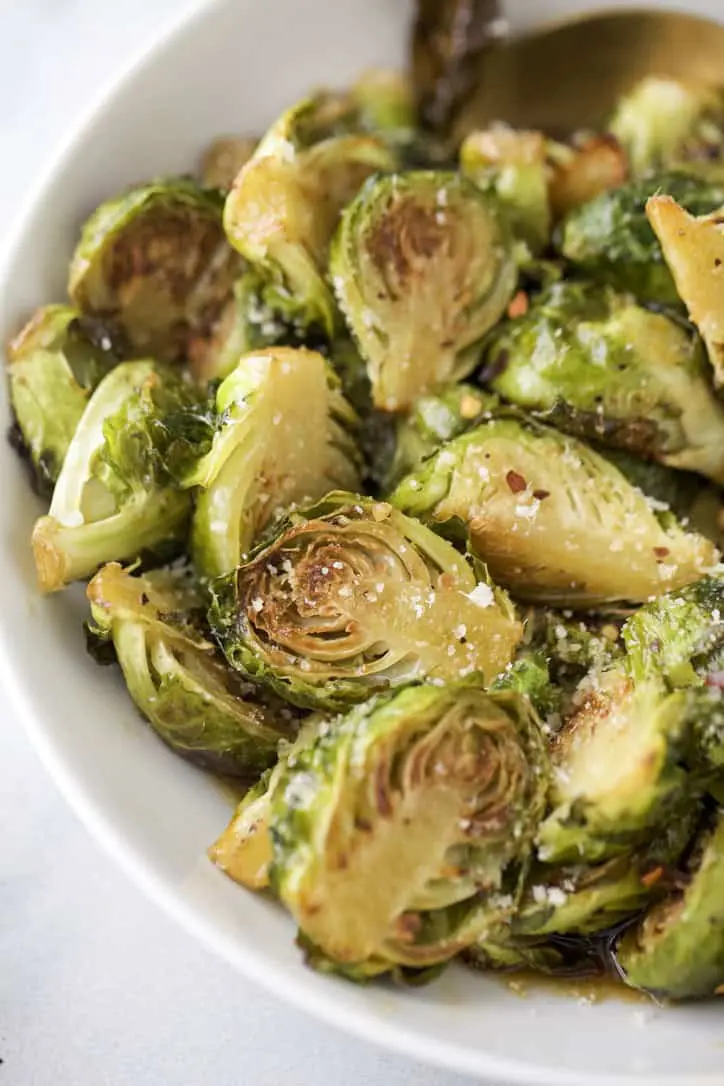 Hot Honey Brussels Sprouts: A Sweet‑Spicy Side That Turns Heads
 Turn Your Pasta Sauce Into a Nutritional Powerhouse
 Caramelized Onion Focaccia Elevates Classic Flatbread
The brewing process favors a dry hop addition during fermentation, which intensifies aroma without adding sweetness. The result is a clear, crisp IPA that showcases hop character and a clean finish. This style reflects the Pacific Northwest’s climate, where hop cultivation thrives. Brewers also use a lighter malt base, allowing hops to dominate. The emphasis on bitterness aligns with the region’s preference for bold, straightforward flavors that pair well with grilled foods and spicy dishes. Aromatic Complexity: The East Coast Tradition East Coast IPAs, in contrast, lean toward a more balanced profile. Brewers select a mix of American and European hop varieties, such as Saaz, Hallertau, and East Kent Goldings, which impart floral, herbal, and subtle fruity notes. These hops create a layered aroma that sits beneath a moderate bitterness level.
The brewing process often incorporates a longer mash time and a richer malt bill, producing a fuller body and a subtle sweetness that balances the hop intensity. East Coast brewers also favor dry hopping later in fermentation, which preserves delicate aromatics. The result is an IPA that feels more rounded, with a lingering aftertaste that invites multiple sips. This style mirrors the East Coast’s diverse culinary landscape, where complex flavors are prized. The medium body and aromatic profile make East Coast IPAs versatile, pairing well with seafood, pork, and even dessert. How Climate and Culture Shape Flavor The Pacific Northwest’s cooler, wetter climate supports hop varieties that thrive in such conditions, encouraging a hop-forward style. Meanwhile, the humid, milder climate of the East Coast allows for a broader range of hops, including those that deliver floral and herbal nuances.
Cultural preferences also play a role: West Coast consumers often seek bold, intense beers, while East Coast beer drinkers appreciate nuanced flavor profiles. The brewing techniques reflect these differences. West Coast brewers focus on high bitterness and a dry finish, whereas East Coast brewers emphasize aroma and body. Both styles have evolved to meet local tastes while maintaining the core IPA identity. The ongoing rivalry between West Coast and East Coast IPAs has spurred innovation across the craft beer industry. Brewers continually experiment with hop combinations and brewing methods, leading to new hybrid styles that blend the best of both worlds. As the craft beer market expands, consumers can expect even more diverse IPA offerings that challenge traditional regional boundaries. Frequently Asked Questions What defines a West Coast IPA?
Cultural preferences also play a role: West Coast consumers often seek bold
A West Coast IPA is characterized by high hop bitterness, piney and citrusy flavors, and a dry finish, achieved through aggressive hop usage and a lighter malt base.
How does an East Coast IPA differ? East Coast IPAs focus on aromatic complexity, using a mix of American and European hops, a fuller body, and moderate bitterness, creating a balanced, rounded taste.
Can a beer be both West Coast and East Coast? Yes; hybrid IPAs blend hop varieties and brewing techniques from both regions, offering a balanced profile that appeals to a wide audience.
Content written by [email protected] (JC Gonzalez) for fancy-meals.com editorial team, AI-assisted.