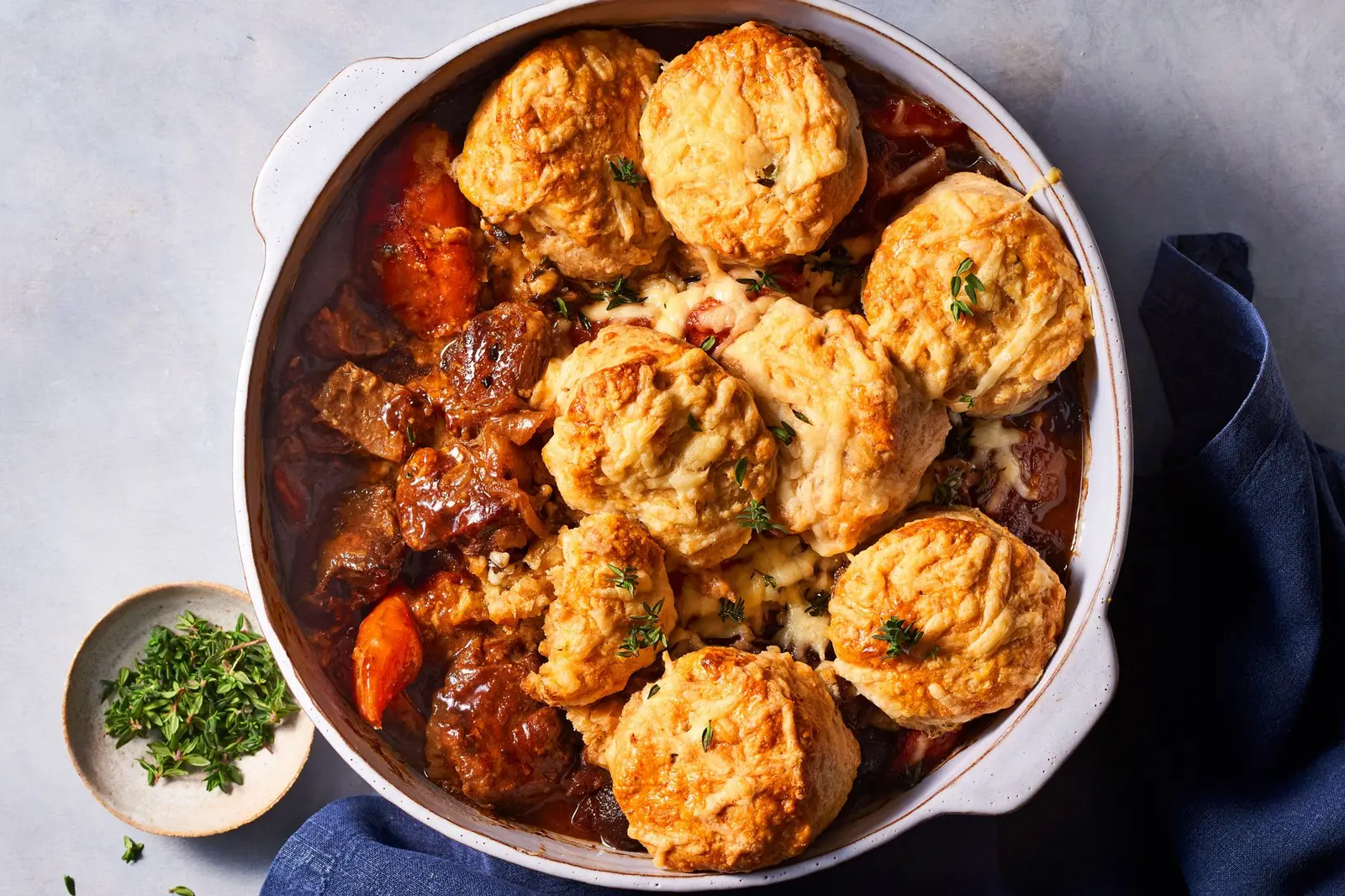
The controversial salty ingredient that makes beef cobbler taste even better
Why anchovy works when cheese scones don’t
Home cooks are discovering that a pinch of anchovy paste can elevate a traditional beef cobbler from hearty to extraordinary. This umami-rich addition, though divisive among purists, deepens the savory profile of the stew without making it taste fishy. Food writer Barney Desmazery first highlighted the technique in October 2026, noting how it transforms a simple weekend meal into something memorable.
Latest news
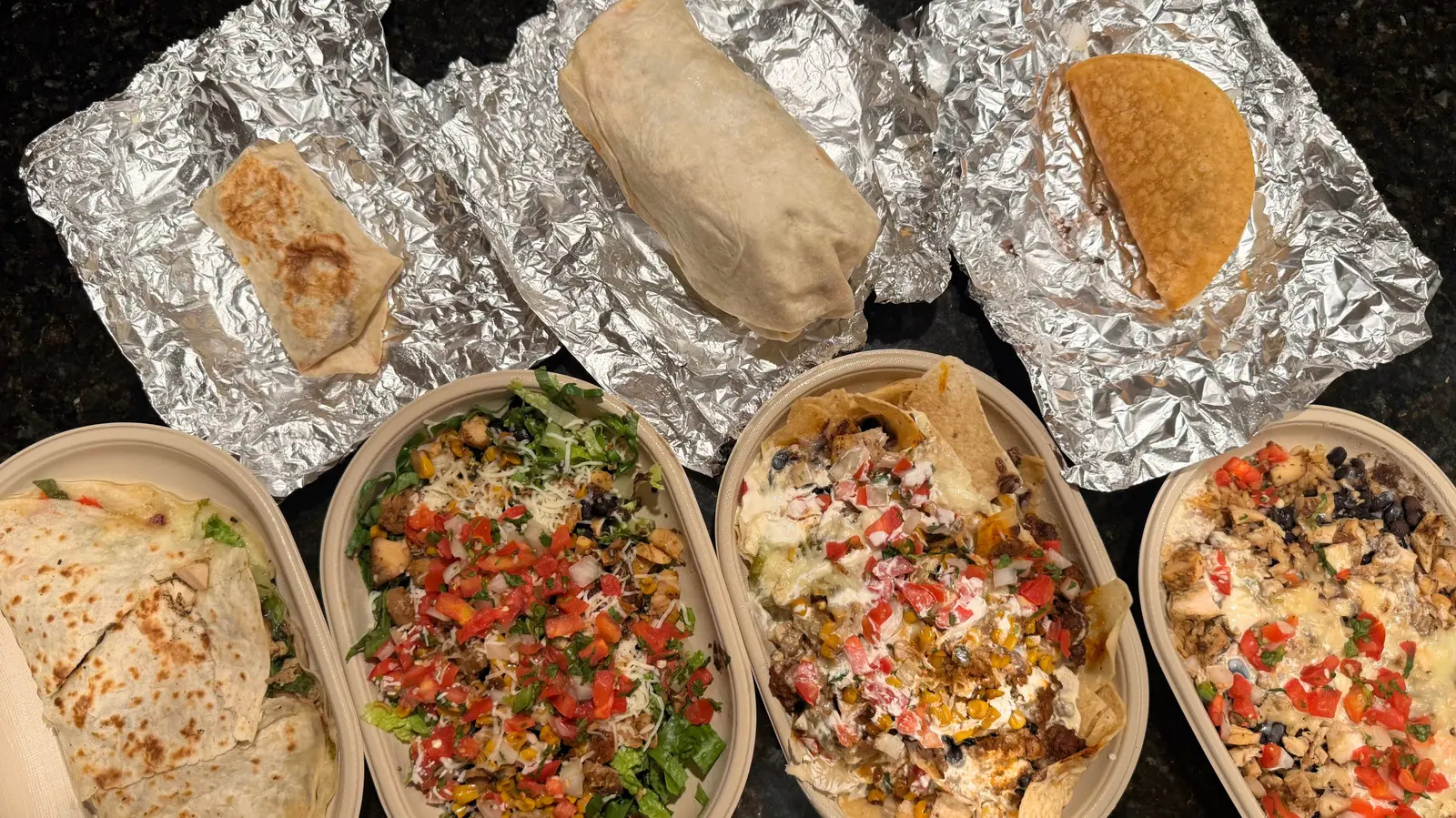 Moe's Southwest Grill Menu Items Ranked from Worst to Best
 Hot Honey Brussels Sprouts: A Sweet‑Spicy Side That Turns Heads
 Turn Your Pasta Sauce Into a Nutritional Powerhouse
 West Coast IPAs vs East Coast IPAs: A Flavor Battle Across the United States
The secret lies in anchovy paste’s concentrated glutamates, which amplify the meaty flavors already present in slow-cooked beef. When stirred into the gravy base before topping with cheese scones, it creates a richer, more complex background note. Desmazery explains that the key is moderation—just half a teaspoon for a family-sized dish—so the enhancement remains subtle. Many home chefs report that guests notice the improved depth but struggle to identify the source, often attributing it to better-quality stock or longer simmering.
Can you taste the fish?
While the fluffy cheese scones provide a buttery, tender contrast to the stew below, they contribute little to the savory backbone of the dish. Anchovy paste, by contrast, acts as a flavor multiplier, interacting with the Maillard reaction compounds in browned beef and the gelatin from slow-cooked connective tissue. This synergy creates a more satisfying mouthfeel and lingering taste. Desmazery compares it to adding a dash of soy sauce to Bolognese—unexpected but effective. The technique has roots in classic French and British cooking, where anchovies were used discreetly in meat sauces and pies, though modern recipes often omit them due to misconceptions about their flavor.
Despite concerns, properly used anchovy paste does not make the cobbler taste seafood-forward. The curing process breaks down the fish proteins into free amino acids, which are responsible for umami, not fishiness. In blind tastings conducted by Desmazery, over 70% of participants preferred the version with anchovy paste, describing it as „moreish” and „rounder,” while fewer than 10% detected any marine notes. The ingredient’s potency means it must be measured carefully—too much can indeed tip the balance, but within recommended amounts, it integrates seamlessly into the background.
Will anchovy paste make my beef cobbler taste like fish? No, when used in small amounts, it enhances savoriness without adding a fishy flavor. The umami compounds deepen the meat taste rather than introduce seafood notes.
Frequently Asked Questions
Can I substitute another ingredient for anchovy paste? Soy sauce or miso paste can offer similar umami boosts, but they alter the flavor profile differently. Anchovy paste provides a cleaner, less sweet or fermented note that blends more naturally with beef.
Is this technique suitable for vegetarians? No, anchovy paste is derived from fish. Vegetarian alternatives like mushroom powder or tomato paste can add depth, though they lack the same glutamate concentration.
Content written by Barney Desmazery for fancy-meals.com editorial team, AI-assisted.