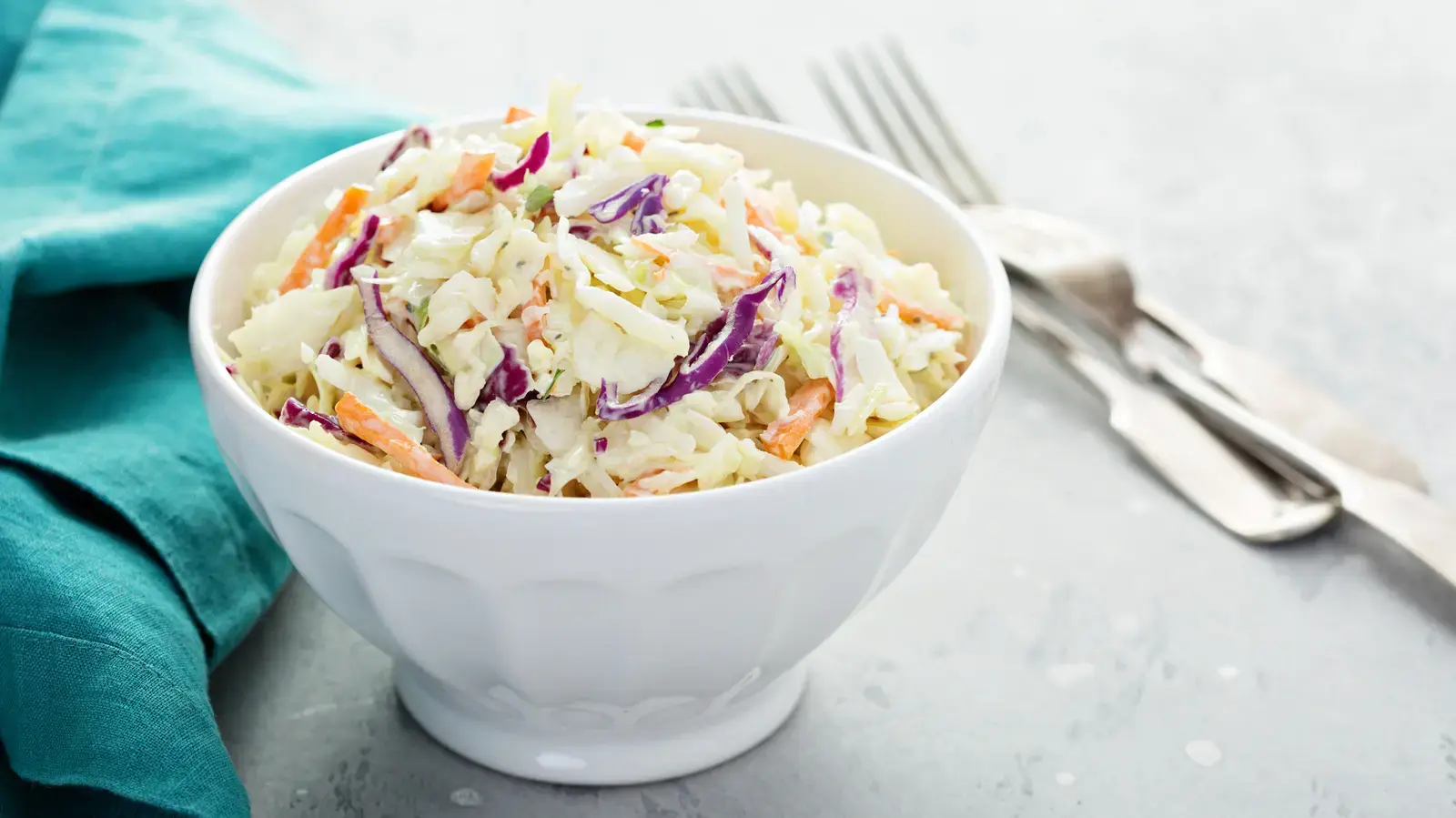
The Secret Ingredient That Makes Coleslaw Irresistibly Creamy
Why Acidity Changes the Flavor Profile
Coleslaw remains one of the most popular side dishes for summer gatherings and holiday meals alike. However, many home cooks struggle to achieve the perfect balance of texture and flavor. A new culinary tip suggests adding a specific ingredient to the mix to elevate this classic salad. This simple adjustment transforms a standard recipe into a rich, unforgettable dish that pairs well with heavy mains.
Latest news
 Moe's Southwest Grill Menu Items Ranked from Worst to Best
 Hot Honey Brussels Sprouts: A Sweet‑Spicy Side That Turns Heads
 Turn Your Pasta Sauce Into a Nutritional Powerhouse
 West Coast IPAs vs East Coast IPAs: A Flavor Battle Across the United States
The key to achieving superior quality lies in the dressing. Traditional recipes often rely solely on mayonnaise or plain vinegar. While acceptable, these methods can result in a flat taste profile. Food experts recommend introducing a splash of apple cider vinegar or lemon juice. This addition provides a pleasant tang that cuts through the heaviness of the creamy base. The acidity balances the fat, creating a complex flavor profile that lingers on the palate.
Understanding food chemistry explains why this technique works so effectively. Fat molecules coat the tongue, which can dull other taste receptors. Acidic components break down this coating, allowing the palate to detect subtle notes in the cabbage and herbs. When you add vinegar to the slaw, you are not just souring the dish. You are activating a chemical reaction that enhances the perception of freshness. The sharp bite of the acid contrasts beautifully with the mild sweetness of shredded carrots and cabbage.
How To Perfect Your Dressing Ratio
This method also improves the structural integrity of the salad. Some cooks worry that acid will make the vegetables wilt too quickly. In reality, a moderate amount of vinegar helps the cabbage retain its crispness longer than oil-based dressings alone. The liquid component penetrates the leaf structure, hydrating the cells. This prevents the salad from becoming watery or soggy during storage. The result is a coleslaw that stays firm even after sitting in the refrigerator for several hours.
Getting the ratio right is crucial for success. Start with a base of high-quality mayonnaise for creaminess. Add a tablespoon of apple cider vinegar per cup of mayonnaise. Taste the mixture before adding salt or pepper. The acid should be present but not overwhelming. If the slaw tastes too sharp, dilute it with a small amount of milk or additional mayonnaise. If it lacks punch, increase the vinegar incrementally. Always let the dressing rest for ten minutes before tossing it with the vegetables. This allows the flavors to meld and the cabbage to absorb the seasoning evenly.
Home cooks report that this technique significantly reduces waste. Because the flavor is more balanced, guests tend to eat more of the side dish. The creamy texture combined with the bright acidity creates a satisfying contrast. It complements grilled meats, fried chicken, and roasted potatoes perfectly. The versatility of this improved recipe makes it a staple for any entertaining occasion.
Frequently Asked Questions
Can I use white wine vinegar instead of apple cider? Yes, white wine vinegar works well as a substitute. It offers a cleaner, sharper acidity that does not alter the color of the slaw. Apple cider vinegar adds a subtle fruity note that some prefer.
How long does homemade coleslaw last in the fridge? Properly stored in an airtight container, homemade coleslaw lasts for three to four days. The acidic dressing actually acts as a preservative, extending the shelf life compared to non-acidic versions.
Should I add the acid before or after mixing the vegetables? Add the acid to the dry ingredients first. This ensures even distribution throughout the salad. Mixing the acid directly into the mayonnaise can cause separation if not done carefully.
Content written by [email protected] (Georgina Jedikovska) for fancy-meals.com editorial team, AI-assisted.