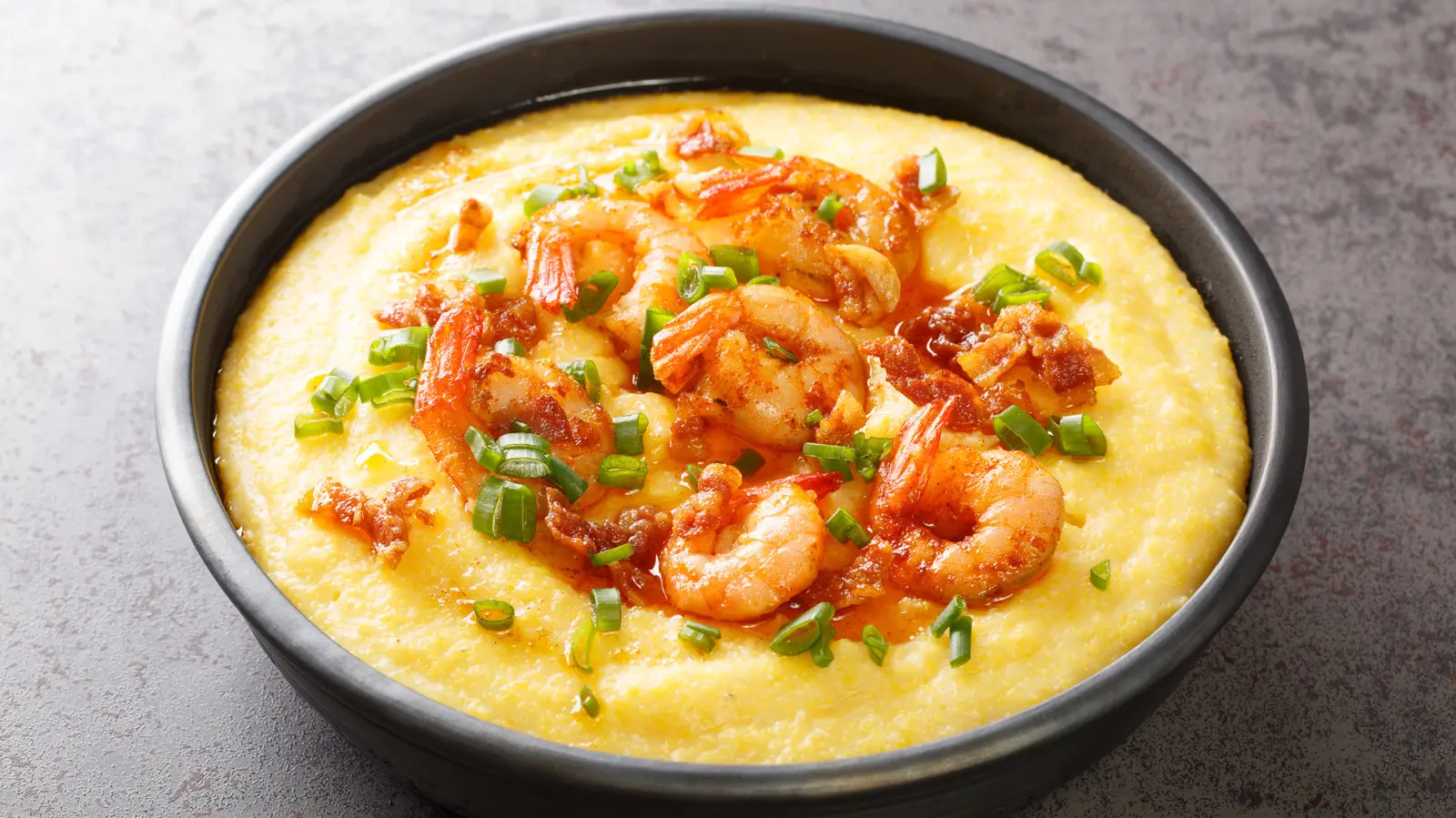
Transform Shrimp And Grits By Making The Dish Italian-Style
How Does Wine Change The Flavor Profile Of Shrimp And Grits?
A classic Southern breakfast staple gets a Mediterranean makeover by blending creamy stone-ground grits with sautéed shrimp, garlic, white wine, and fresh herbs. This Italian-inspired twist reimagines the Lowcountry favorite for brunch or dinner, using pantry-friendly ingredients to elevate the dish without losing its comforting roots. The recipe swaps traditional bacon for pancetta and finishes with a sprinkle of Parmesan, creating a fusion that honors both culinary traditions.
Latest news
 Moe's Southwest Grill Menu Items Ranked from Worst to Best
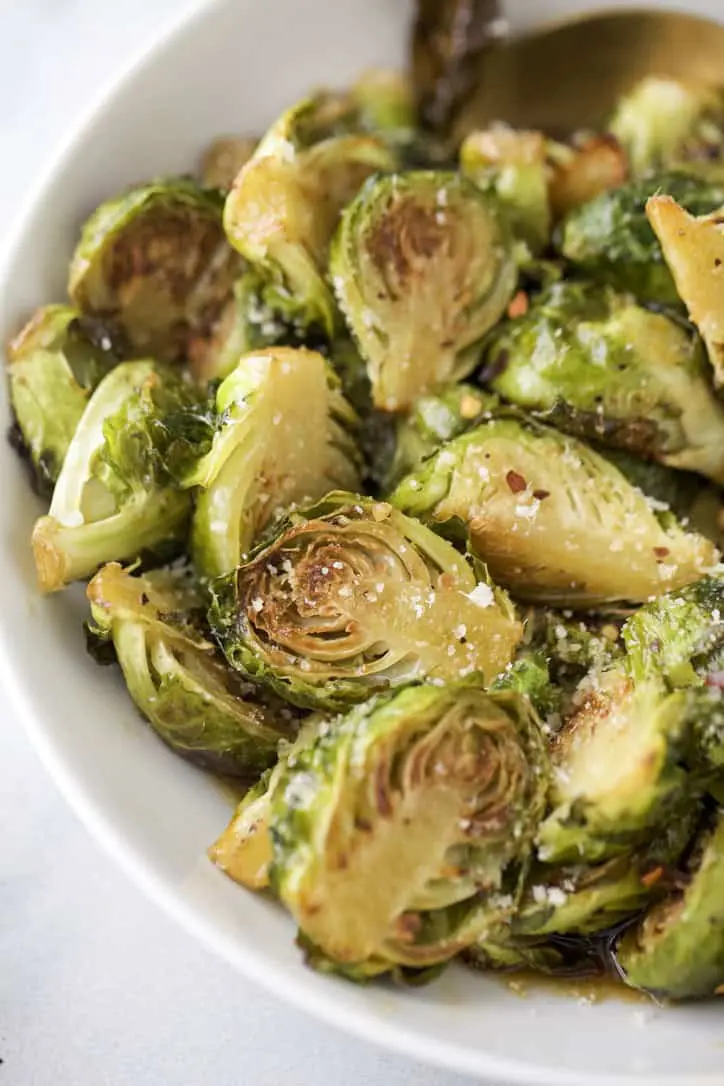 Hot Honey Brussels Sprouts: A Sweet‑Spicy Side That Turns Heads
 Turn Your Pasta Sauce Into a Nutritional Powerhouse
 West Coast IPAs vs East Coast IPAs: A Flavor Battle Across the United States
The dish begins with slowly cooked grits stirred with butter and cream until velvety smooth, while shrimp are seared in olive oil with minced garlic, shallots, and a splash of dry white wine. Fresh parsley and basil are folded in at the end, adding brightness that cuts through the richness. Unlike the original version which often relies on andouille sausage or bacon, this adaptation uses pancetta for a deeper, saltier pork note that complements the seafood without overpowering it. The key is balancing the starchiness of the grits with the acidity of the wine and the freshness of the herbs, ensuring each bite feels layered but not heavy.
Adding white wine during the sauté process deglazes the pan, lifting caramelized bits from the bottom and infusing the shrimp with a subtle fruity acidity. This step not only enhances the seafood’s natural sweetness but also cuts through the fat from the pancetta and butter, preventing the dish from feeling one-note. The alcohol cooks off quickly, leaving behind a complex background note that brightens the entire plate. Chefs often recommend a crisp Pinot Grigio or Sauvignon Blanc for this purpose, as their citrus and green apple notes harmonize with both the shrimp and the herbs.
What Role Do Fresh Herbs Play In This Italian Adaptation?
Fresh parsley and basil are added off the heat to preserve their vibrant color and aromatic punch, which would dull if boiled too long. Parsley brings a clean, slightly peppery finish, while basil contributes a sweet, almost minty depth that pairs exceptionally well with garlic and tomato-adjacent flavors—even though no tomato is used here. Together, they mimic the herbal backbone found in Italian seafood pastas like shrimp scampi, tying the dish to its Mediterranean inspiration. The result is a finish that feels light and fragrant, contrasting beautifully with the warm, dense grits underneath.
The Italian-style shrimp and grits bridges regional comfort food with global technique, proving that tradition can evolve without losing its soul. Home cooks can easily adapt the recipe by adjusting herb ratios or swapping pancetta for prosciutto, making it versatile for different tastes. As fusion cuisine continues to gain popularity, dishes like this show how respectful reinterpretation can introduce beloved classics to new audiences while keeping their essence intact.
Frequently Asked Questions
Can I use regular bacon instead of pancetta? Yes, but pancetta offers a cleaner, less smoky flavor that lets the shrimp and herbs shine better; if using bacon, choose a low-sodium variety and reduce added salt.
Is it necessary to use stone-ground grits? Stone-ground grits provide superior texture and corn flavor, but quick-cooking grits can work in a pinch—just reduce cooking time and stir frequently to avoid lumps.
Should I add tomatoes to make it more Italian? While tomatoes aren’t in this version, a small amount of cherry tomatoes halved and sautéed with the garlic could add a nice burst of acidity for those who want a closer nod to Italian cuisine.
Content written by Tasting Table for fancy-meals.com editorial team, AI-assisted.