Give Salmon Extra Flavor With One Italian-Style Transformation
Regina noted that even 15 minutes of soaking time can make a noticeable
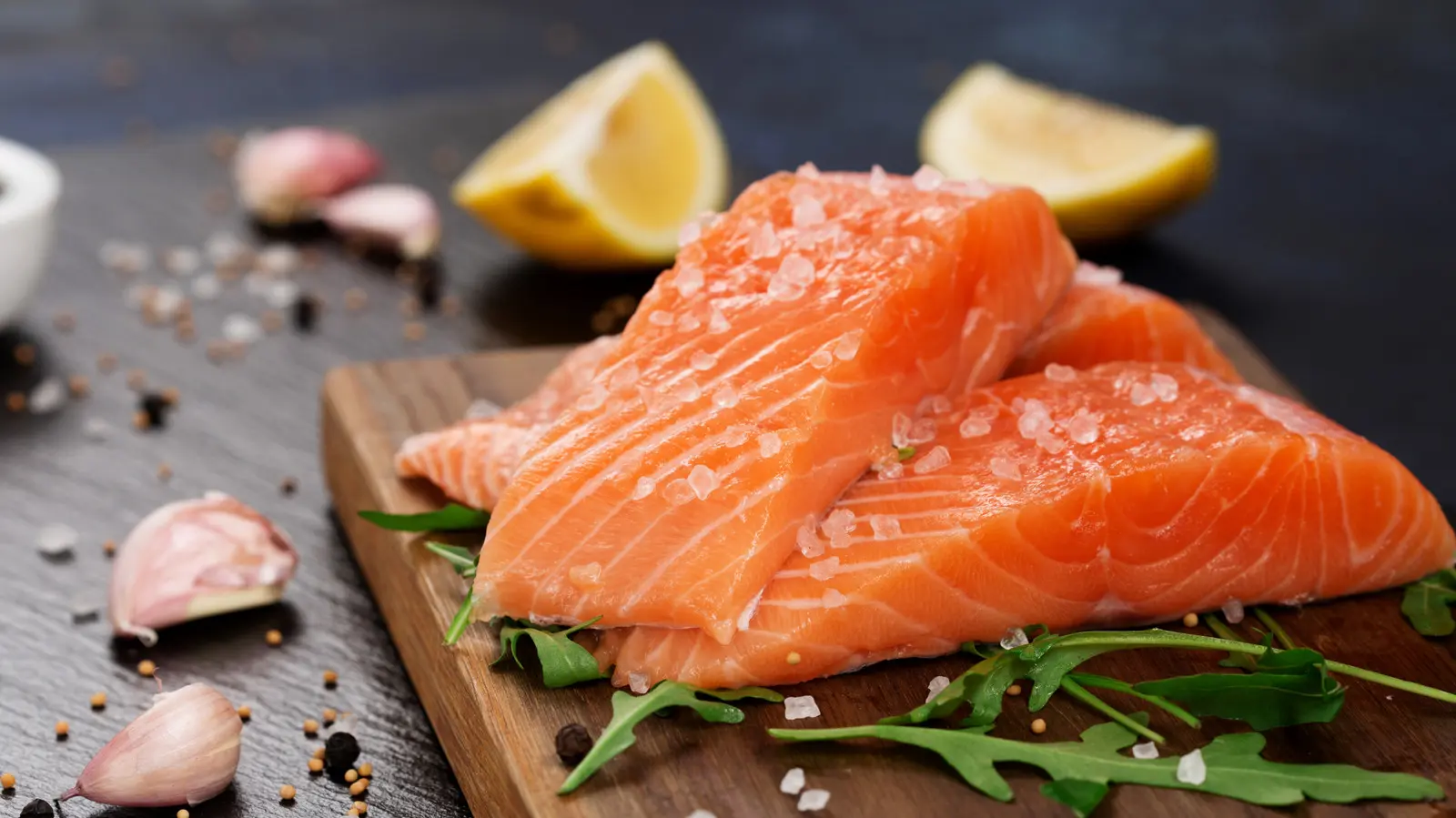
Salmon is a highly adaptable fish that can elevate many dishes, yet home cooks often stick to basic preparations, leading to repetitive meals. On October 3, 2026, culinary expert Luna Regina shared a simple Italian-inspired method to refresh salmon’s flavor profile, drawing attention from food enthusiasts seeking variety without complexity. The technique involves marinating salmon in a blend of olive oil, lemon zest, garlic, and fresh herbs like rosemary or thyme before baking or pan-searing. This approach enhances the fish’s natural richness while adding bright, aromatic notes characteristic of Mediterranean cuisine. Regina emphasized that the method works because acidic and herbal elements cut through salmon’s oiliness, creating balance without overpowering the delicate texture. Why This Italian Twist Works The combination of citrus and herbs doesn’t just add flavor—it also helps tenderize the fish slightly during marination.
Latest news
 Moe's Southwest Grill Menu Items Ranked from Worst to Best
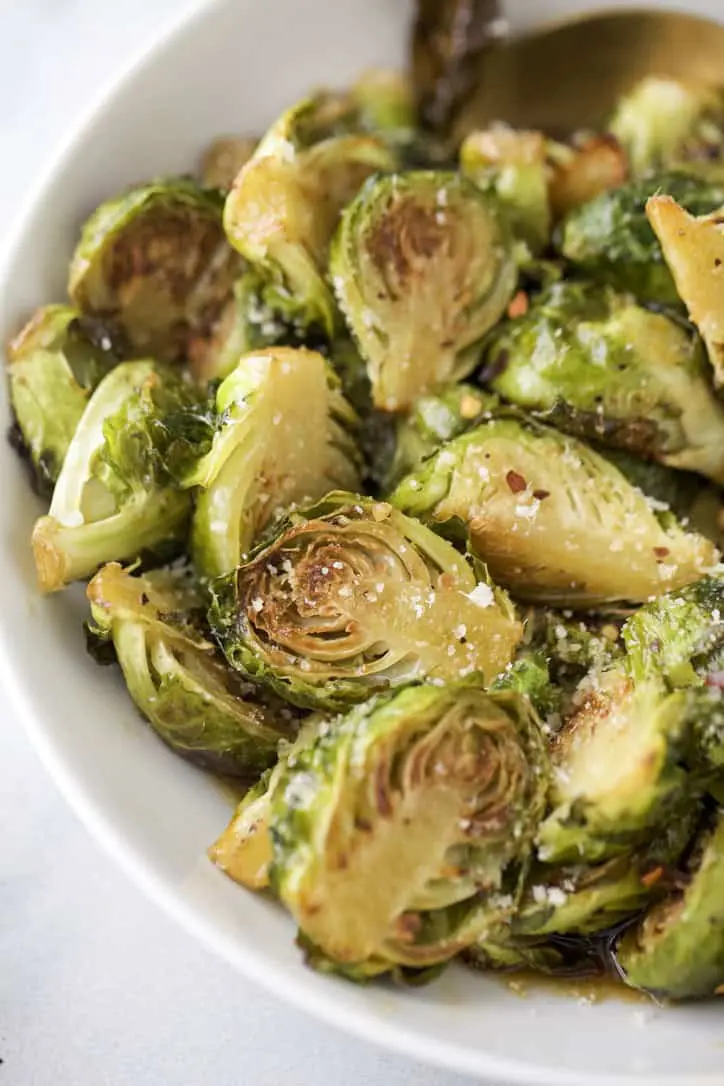 Hot Honey Brussels Sprouts: A Sweet‑Spicy Side That Turns Heads
 Turn Your Pasta Sauce Into a Nutritional Powerhouse
 West Coast IPAs vs East Coast IPAs: A Flavor Battle Across the United States
Regina noted that even 15 minutes of soaking time can make a noticeable difference, though longer marination up to two hours yields deeper infusion. She advised against using dried herbs exclusively, as fresh varieties provide superior aroma and prevent a dusty texture on the surface. How Can Home Cooks Avoid Common Mistakes? Overcooking remains the biggest pitfall when preparing salmon, regardless of seasoning. Regina stressed monitoring internal temperature, aiming for 120–125°F for medium doneness, as carryover heat will finish the cooking process. She also warned against overcrowding the pan, which steams the fish instead of creating a desirable sear, ultimately diluting the intended flavor impact. Frequently Asked Questions Can I use frozen salmon for this method? Yes, but thaw it completely in the refrigerator first and pat dry before marinating to ensure proper adhesion and browning. What if I don’t have fresh lemon?
A small amount of white wine vinegar or dry white wine can substitute for acidity, though fresh zest provides the best aromatic lift. Is this method safe for salmon with skin on? Absolutely—cooking skin-side down first helps protect the flesh and adds crispiness, then flip gently to finish.
Content written by Tasting Table for fancy-meals.com editorial team, AI-assisted.