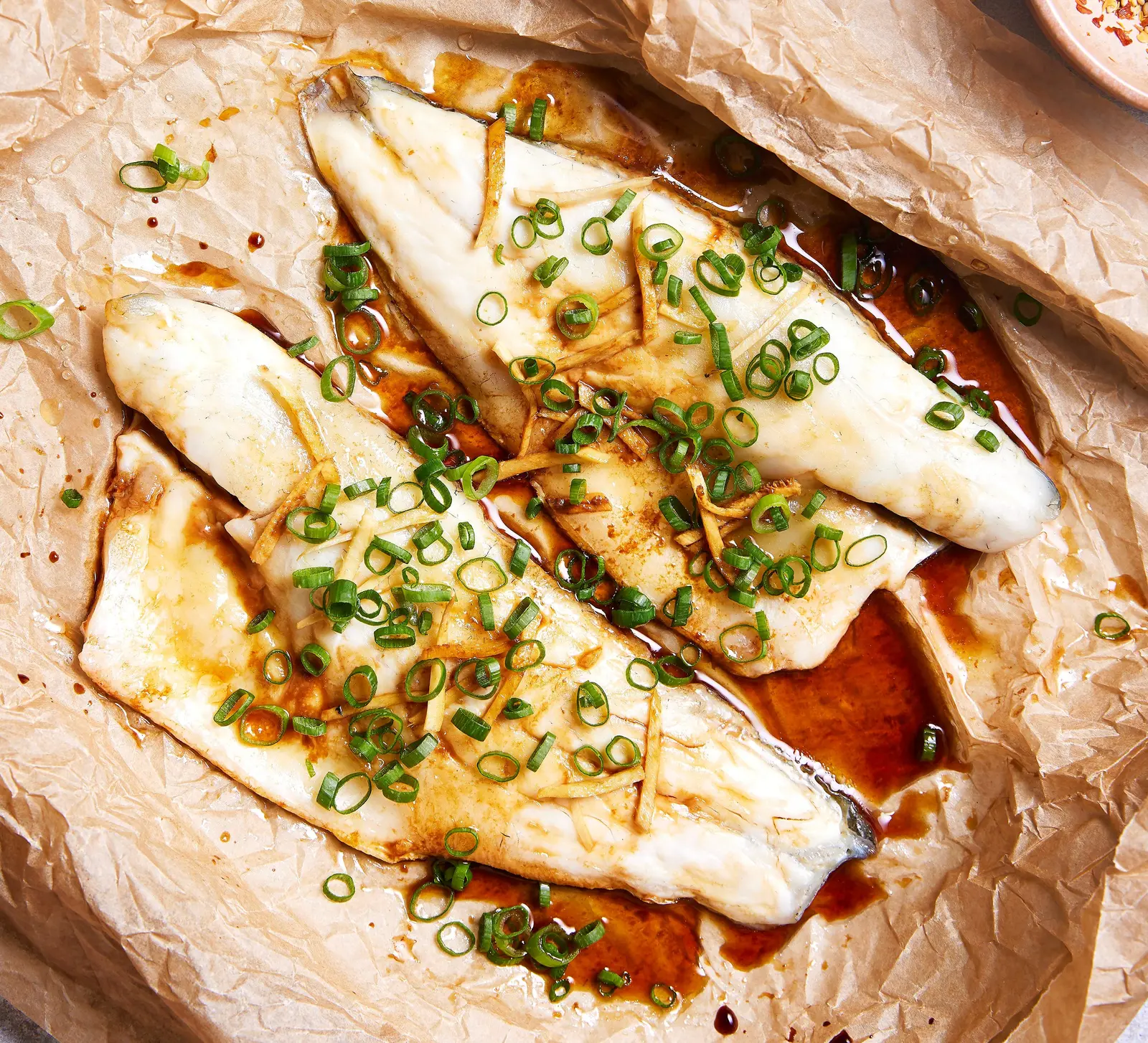
Soy‑Steamed Sea Bass with Spring‑Onion Rice Serves Two
A Fresh Take on Classic Steaming Techniques
A simple, fragrant dinner for two arrives on the table tonight: sea bass fillets gently steamed in a soy‑ginger broth, wrapped in parchment, and paired with fluffy rice flavored with spring onions and sesame. The dish, ready in half an hour, promises a light yet satisfying meal that highlights the delicate taste of the fish while delivering a subtle Asian twist.
Latest news
 Costco's Frozen Dumpling Lineup, Ranked From Least To Most Tasty
 Best stainless-steel frying pans 2026: expert-tested picks for searing, eggs and daily cooking
 Trader Joe’s First‑Time Shopper Guide: Must‑Try Items
 Panda Express vs P.F. Chang's: Which Orange Chicken Is Healthier?
The recipe calls for just a handful of pantry staples—soy sauce, fresh ginger, spring onions, and toasted sesame oil—combined with high‑quality sea bass. The fish is placed on a sheet of parchment, drizzled with the seasoned liquid, and sealed into a parcel that locks in moisture. While the sea bass steams, rice is cooked with chopped spring onions and a splash of sesame oil, creating a fragrant base that complements the fish’s buttery texture. The method is designed for home cooks seeking a quick, health‑focused entrée without sacrificing flavor.
Steaming has long been a cornerstone of Asian cooking, prized for preserving the natural flavors and nutrients of seafood. In this version, soy sauce adds umami depth, while ginger contributes a bright, peppery note that cuts through the fish’s richness. The parchment parcel acts like a miniature oven, ensuring the sea bass stays tender and moist. Chefs note that the gentle heat prevents the delicate flesh from overcooking, a common pitfall when grilling or pan‑frying.
Why Choose This Dish Over Heavier Alternatives?
The spring‑onion rice serves more than just a side; it absorbs the aromatic steam, turning each grain into a miniature flavor bomb. Toasted sesame seeds sprinkled on top add a nutty crunch, rounding out the dish’s texture profile. The entire preparation takes roughly fifteen minutes of active work, making it an ideal weeknight solution for couples or small families.
Many dinner options rely on heavy sauces or deep‑frying, which can mask the natural taste of fish and add unnecessary calories. This soy‑steamed sea bass offers a lean protein source, low in saturated fat, while the soy‑ginger broth supplies a modest amount of sodium and antioxidants from ginger. The inclusion of spring onions introduces vitamin C and a mild onion flavor without the pungency of regular onions. For diners watching their diet, the meal delivers balanced nutrition without compromising on satisfaction.
The dish also aligns with sustainable eating trends. Sea bass, when sourced responsibly, is a relatively low‑impact seafood choice compared to larger, higher‑trophic‑level fish. Pairing it with rice—a staple grain—creates a complete, affordable meal that can be scaled up for larger gatherings by simply multiplying the ingredients.
Frequently Asked Questions
Can I substitute the sea bass with another fish? Yes, firm white fish such as cod, halibut, or snapper work well. Adjust steaming time slightly to match the thickness of the fillet.
Is it necessary to use parchment paper? Parchment helps seal in steam and flavor, but a heat‑proof plate covered with foil can serve as a substitute if parchment is unavailable.
How do I avoid the dish becoming too salty? Use low‑sodium soy sauce and taste the broth before adding more. A splash of rice vinegar can also balance excess saltiness.
Content written by Anna Glover for fancy-meals.com editorial team, AI-assisted.