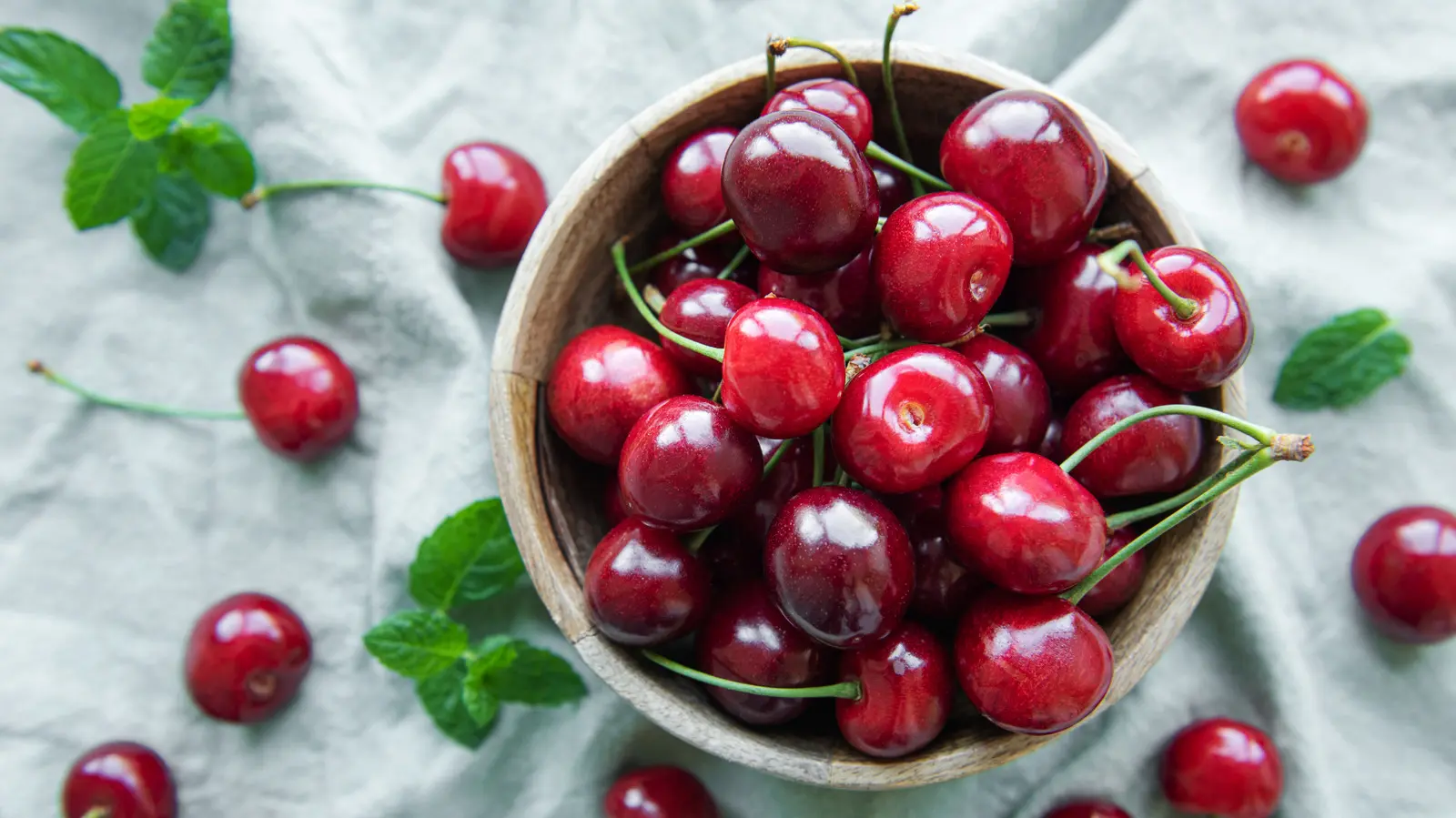
Cherries Taste 10x Sweeter (And Less Tart) Sprinkled With This Seasoning
This technique is especially useful for underripe or particularly tart cherry
Cherries are a beloved early summer fruit known for their sweet juice and vibrant color, but their natural tartness can be off-putting for some palates. A simple kitchen trick involving a common seasoning can dramatically alter the flavor profile, making the fruit taste significantly sweeter and less acidic. This method works best after cherries have been properly cleaned and dried, enhancing their appeal as a fresh snack or dessert addition. The secret lies in a tiny sprinkle of salt, which interacts with the fruit’s natural compounds to suppress bitterness and amplify sweetness perception on the tongue. Food scientists explain that salt doesn’t add sugar but modulates how taste receptors respond, effectively balancing the flavor.
Latest news
 The Ultimate Homemade Chili Recipe for Cold Weather
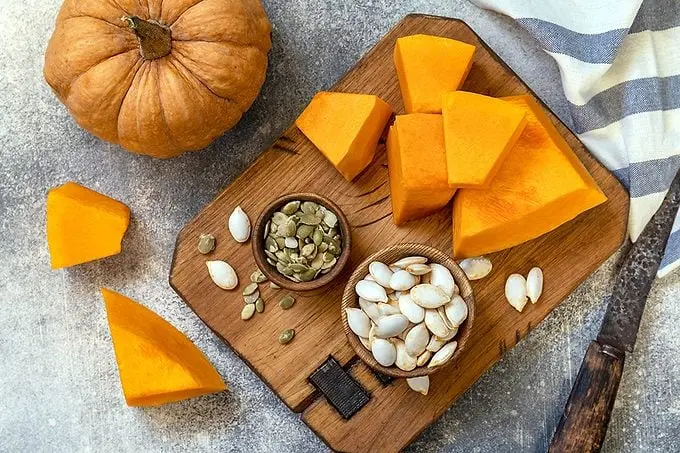 The Nutritional Power of Pumpkin Beyond Seasonal Desserts
 A Culinary Journey Through the 30th Epcot International Food and Wine Festival
 Burger King Unleashes Hello Kitty Kids' Meal with Ultra-Rare Golden Collectible
This technique is especially useful for underripe or particularly tart cherry varieties, transforming them into a more enjoyable treat without added sweeteners. How Salt Enhances Fruit Flavor When applied in minimal amounts, salt reduces the perception of sourness by interfering with neural signals sent to the brain. This allows the inherent sugars in cherries to dominate the taste experience. Culinary experts note that the effect is immediate and requires only a fraction of a gram per serving—so little that the saltiness is undetectable, yet the sweetness feels intensified. The method mirrors practices used in professional kitchens to elevate fruits like grapefruit or watermelon. Can This Trick Work With Other Fruits? Yes, the same principle applies to other tart fruits such as plums, apricots, and even citrus segments. Salt’s ability to balance flavor is well-documented in food science, though the ideal quantity varies by fruit density and acidity level.
Home cooks are encouraged to experiment cautiously, starting with a barely visible pinch and adjusting to taste. Over-salting can ruin the fruit, so precision matters. Frequently Asked Questions How much salt should I use on cherries? Use no more than a light dusting—about 1/16 teaspoon per cup of cherries—to avoid detectable saltiness while maximizing sweetness enhancement. Does this method add sodium to my diet? The amount of salt used is negligible, contributing less than 100 milligrams of sodium per serving, which is insignificant for most dietary guidelines. Will this work on frozen or dried cherries? It is most effective on fresh, raw cherries; frozen or dried versions may not respond as well due to altered texture and moisture content.
Content written by [email protected] (Georgina Jedikovska) for fancy-meals.com editorial team, AI-assisted.