
Best stainless-steel frying pans 2026: expert-tested picks for searing, eggs and daily cooking
Why choose stainless steel
Choosing a stainless-steel pan can seem complex, especially if you are used to non-stick surfaces. However, once you master the preheating technique, this material excels for everyday cooking. It handles everything from crispy-edged eggs to proper searing and sauces. If you have an induction hob, verify compatibility before buying. Our dedicated guide covers induction-compatible cookware.
Latest news
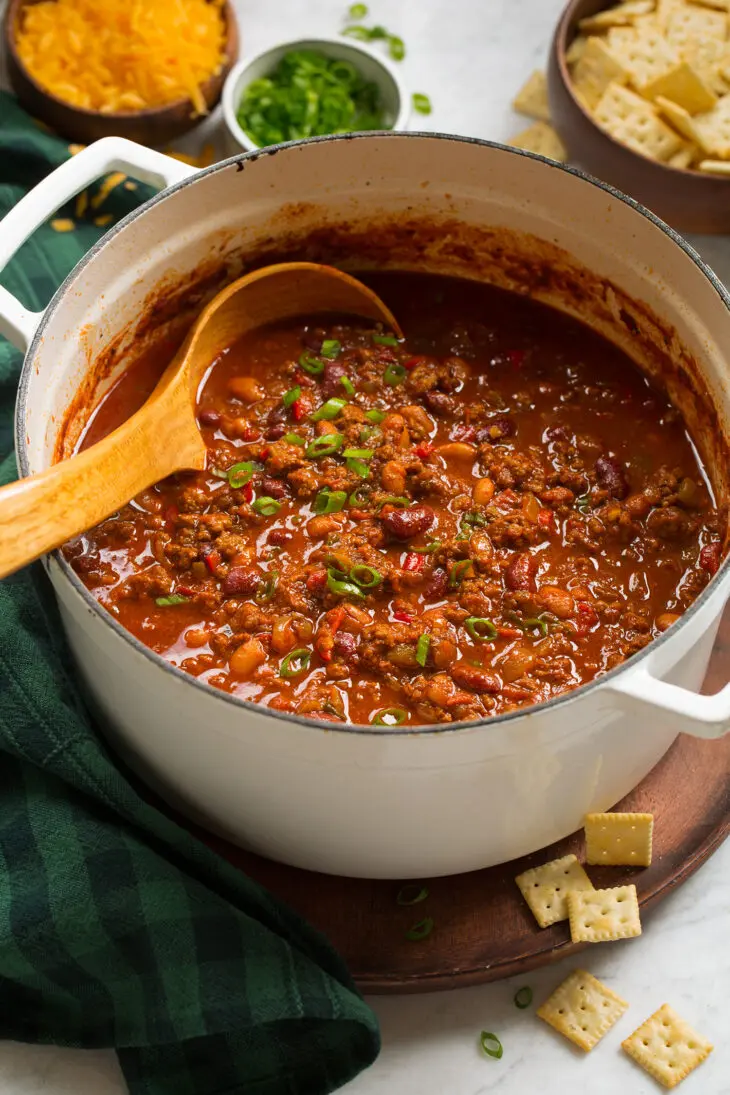 The Ultimate Homemade Chili Recipe for Cold Weather
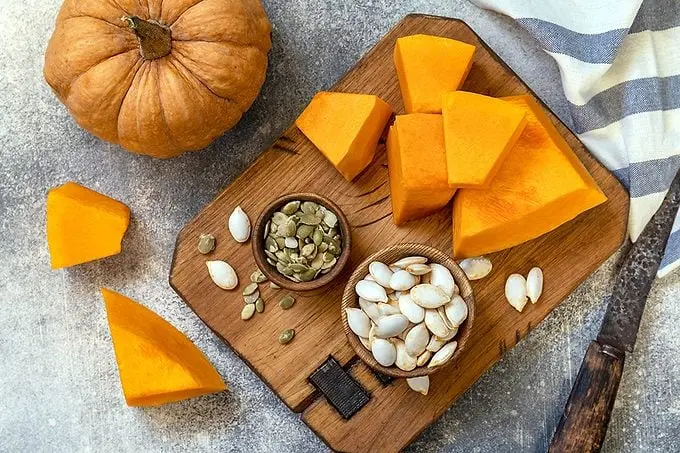 The Nutritional Power of Pumpkin Beyond Seasonal Desserts
 A Culinary Journey Through the 30th Epcot International Food and Wine Festival
 Burger King Unleashes Hello Kitty Kids' Meal with Ultra-Rare Golden Collectible
We tested 13 models, cooking everything from caramelized onions to steaks and eggs. We evaluated which pans heat evenly, release food best, and are easiest to use and clean. Stainless steel lacks a non-stick layer, but many cooks prefer it for high-heat searing and long-term durability. Here are the pans we honestly recommend.
Our top stainless-steel pans
- Best overall pan: Zwilling Pro, from £79.99. - Best premium pan: Le Creuset Signature, from £145. - Best pan under £50: ProCook Professional Bi-Ply, from £45. - Best pan for large quantities: Kuhn Rikon All Round, from £39.95. - Best pan for daily stir-frying: Silampos TriPly, from £68. - Best pan under £30: M&S x Tom Kerridge, from £30. - Best pan for generous portions: ProCook Elite TriPly uncoated, from £60.
Summary of the best stainless-steel pans
We ran real recipe tests to highlight common issues like food sticking, uneven browning, and poor heat control. Each pan was assessed on performance, comfort, ease of cleaning, design, and sustainability. All tests were conducted by Annie Collyer, a freelance journalist with over eight years of experience reviewing home and kitchen products.
Instead of controlled conditions, we cooked dishes that expose each pan’s strengths and weaknesses. - Egg searing: the ultimate sticking test. We fried eggs in every pan using the same preheating method and oil amount. A good pan releases the egg cleanly with a golden, crispy edge. Pans that caused sticking or uneven cooking were penalized. - Steak searing: the high-temperature test. We seared a steak of identical weight in each pan. We evaluated crust formation, browning uniformity, and the pan’s ability to maintain temperature after meat contact. Hot spots became evident here. - Onion caramelization: the low-and-slow test. Onions were cooked on low heat for 30 to 50 minutes. This showed how well each pan distributes heat at low temperatures and how quickly it responds to adjustments.
How we tested the pans
Pans that got too hot burned the onions; those with poor distribution cooked unevenly. - Fish searing: a delicate test of surface release and even heat. Fish is unforgiving; it reveals hot spots and sticks more easily than red meat. - Mercury ball test: before each cooking test, we used the water droplet test to confirm the pan reached the correct temperature. A few drops of water must form a single rolling ball on the surface. This provided a consistent baseline for all 13 pans.
We also evaluated each pan for: - Capacity and size: we measured the diameter and depth of each pan to see how suitable it is for various tasks. This helped us judge how much food can be prepared at once and whether the shape is practical for frying, high-heat searing, or boiling. - Ease of use: we carefully tracked how each pan felt in use. Weight, balance, and hand comfort played a role in how pleasant cooking was. We noted if the handle stayed cool during cooking and how secure the pan felt when lifting or stirring ingredients. - Ease of cleaning: after each test, we cleaned the pans by hand and in the dishwasher where appropriate.
Real-world test scenarios
We checked for food traps, residue buildup, or finishes that resist stains. - Design: we considered the overall look and quality, including the metal finish, handle feel, and thoughtful touches like pouring lips or hanging holes. - Sustainability: we analyzed how recyclable each pan and its packaging were, noting efforts to reduce plastic or use recycled materials. Where possible, we also verified if manufacturers mentioned responsible sourcing or energy-efficient production, as durability and sustainability are now as important as performance.
Best overall stainless-steel pan
Available at John Lewis & Partners (from £79.99) and Zwilling (from £94.95).
Why we chose it: It outperformed all other models.
Content written by Annie Collyer - reviews expert for fancy-meals.com editorial team, AI-assisted.