Make Blueberries Taste Like Sour Candy With A Sprinkle Of This Seasoning
Citric acid, a natural preservative found in citrus fruits
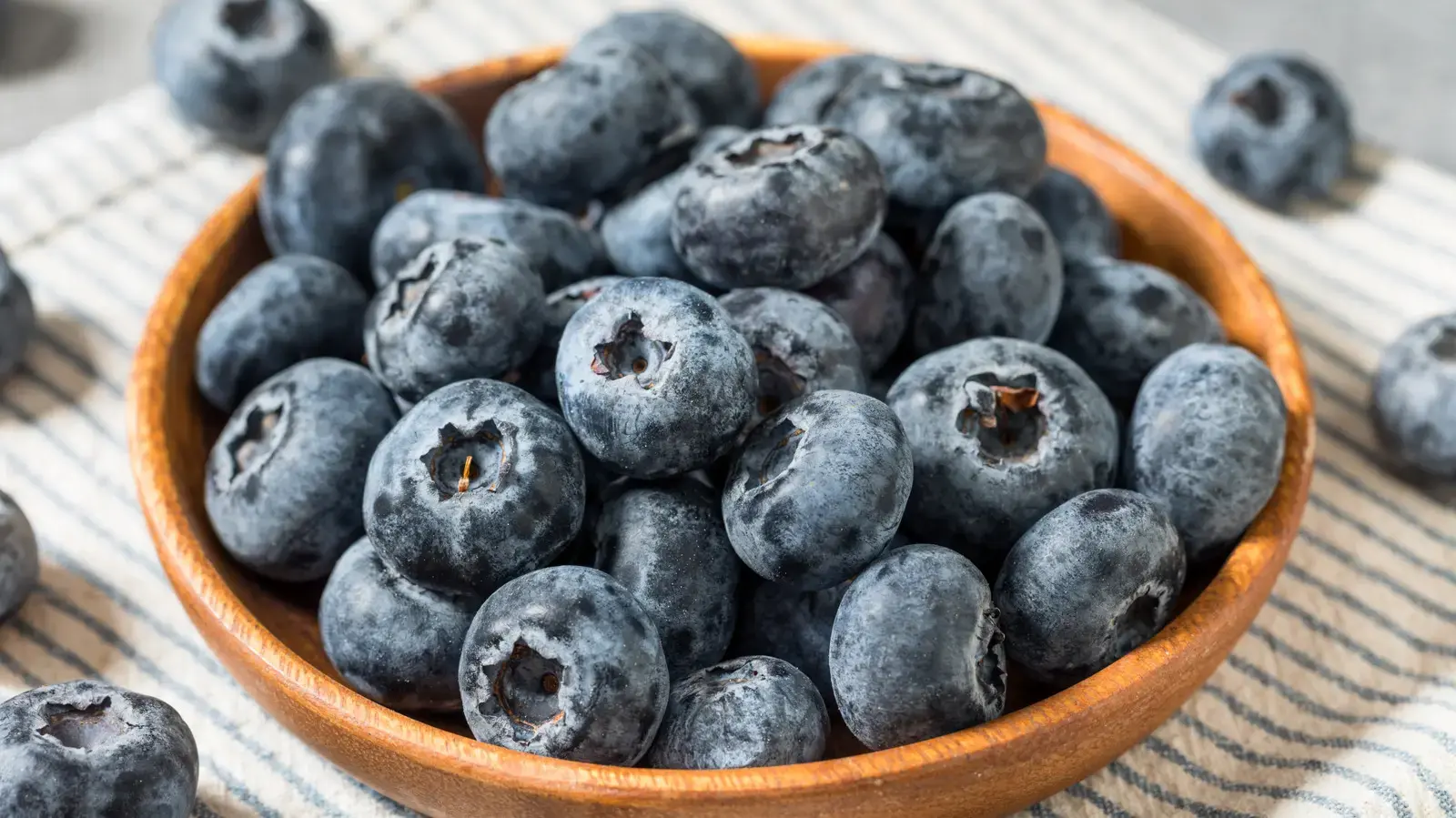
A simple kitchen hack transforms fresh blueberries into a tangy treat resembling sour candy using just one common ingredient. Food enthusiasts are sharing the trick online, noting how a light dusting of citric acid enhances the natural tartness of berries without added sugar. The method gained traction in late August 2026 after a food blogger demonstrated the technique, sparking interest among home cooks seeking easy flavor experiments. The process requires minimal preparation and yields immediate results, making it accessible for quick snacks or dessert toppings. The original version of the hack combined granulated sugar with citric acid to mimic the sweet-and-sour profile of commercial sour candies. However, many users found the sugar unnecessary, opting instead for citric acid alone to highlight the berries’ inherent acidity. This adjustment creates a cleaner, more intense sour sensation that appeals to those reducing sugar intake.
Latest news
 Costco's Frozen Dumpling Lineup, Ranked From Least To Most Tasty
 Best stainless-steel frying pans 2026: expert-tested picks for searing, eggs and daily cooking
 Trader Joe’s First‑Time Shopper Guide: Must‑Try Items
 Panda Express vs P.F. Chang's: Which Orange Chicken Is Healthier?
Citric acid, a natural preservative found in citrus fruits, is widely available in powder form at grocery stores or online. When applied sparingly, it activates sour receptors on the tongue, amplifying the fruit’s flavor without overwhelming it. Users report the treated blueberries retain their texture while delivering a puckering kick similar to popular sour snacks. How Much Citric Acid Should You Use Experts recommend starting with a tiny pinch—about 1/16 teaspoon per cup of blueberries—to avoid overpowering the fruit. Too much citric acid can create a harsh, bitter taste that masks the berry’s sweetness. Toss the berries gently in a bowl to ensure even coating, then let them sit for two minutes before eating. Some home cooks chill the seasoned berries for 10 minutes to intensify the effect. The technique works best with fresh, firm blueberries; frozen or mushy fruit may become waterlogged.
A few drops of water can help the powder adhere if needed, though most find dry
A few drops of water can help the powder adhere if needed, though most find dry application sufficient. The sourness peaks immediately after application and gradually mellows over 20 minutes. Can This Method Work With Other Fruits Similar results have been observed with strawberries, raspberries, and even apple slices when treated with citric acid. The key is balancing the acid with the fruit’s natural sugar content—tarter fruits require less seasoning. Some users experiment with combining citric acid and a touch of erythritol for a sugar-free sour-sweet blend. Food scientists note that citric acid lowers surface pH, which enhances flavor perception without altering nutritional value significantly. The hack has inspired variations using malic acid or tartaric acid for different sour profiles, though citric acid remains the most accessible option.
Parents have reported success using the method to encourage children to eat more fruit by making it taste like candy. Frequently Asked Questions Is citric acid safe to consume in this way? Yes, food-grade citric acid is recognized as safe by regulatory agencies and is commonly used in candies, beverages, and preserves. The amounts used in this hack are minimal and well within typical dietary exposure levels. How long do the sour blueberries last? They are best consumed within a few hours, as the acid can break down the fruit’s texture over time. Store in a sealed container in the refrigerator for up to 24 hours, though peak flavor occurs immediately after seasoning. Can I use lemon juice instead of citric acid powder? Lemon juice adds moisture and dilutes flavor, making it less effective for achieving a dry, candy-like coating.
Powdered citric acid provides concentrated sourness without altering the berries’ consistency.
Content written by Henry Cross for fancy-meals.com editorial team, AI-assisted.