
Give Meatballs An Extra Layer Of Flavor With 2 Tablespoons Of This Pantry Staple
Two tablespoons provide enough impact to notice a difference without making the
A simple pantry ingredient can transform homemade meatballs into a richer, more savory dish with just two tablespoons added to the mixture. This easy upgrade works with beef, pork, or turkey-based recipes and requires no special equipment or hard-to-find items. The trick lies in using a common kitchen staple that enhances depth without overpowering the meat. The ingredient in question is tomato paste, which concentrates umami and sweetness when cooked into the meat blend. Unlike sauce added later, mixing it directly into the raw meat allows its flavor to integrate fully during baking or frying. Food experts note that tomato paste also helps bind ingredients, improving texture while reducing the need for extra breadcrumbs or eggs.
Latest news
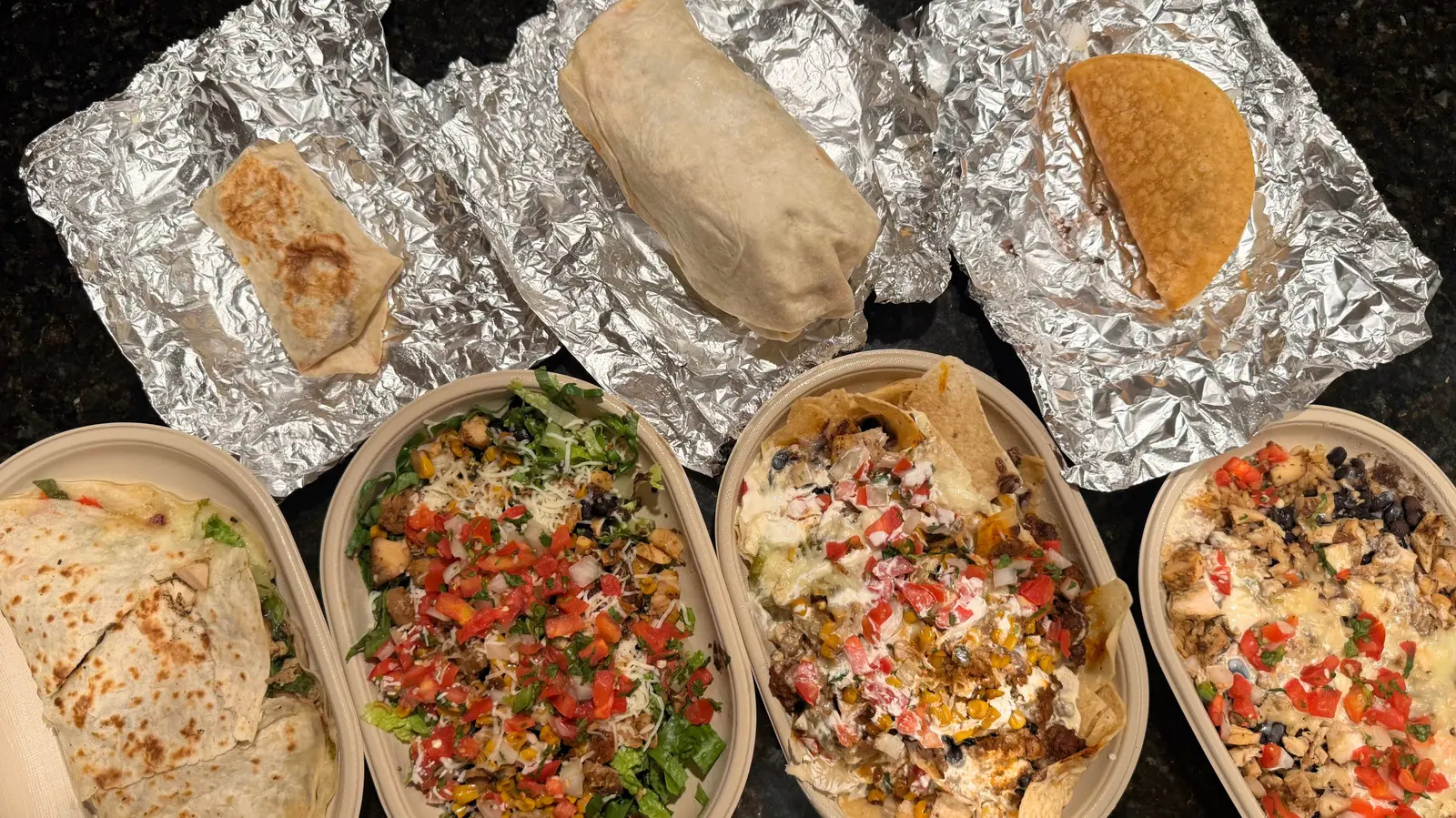 Moe's Southwest Grill Menu Items Ranked from Worst to Best
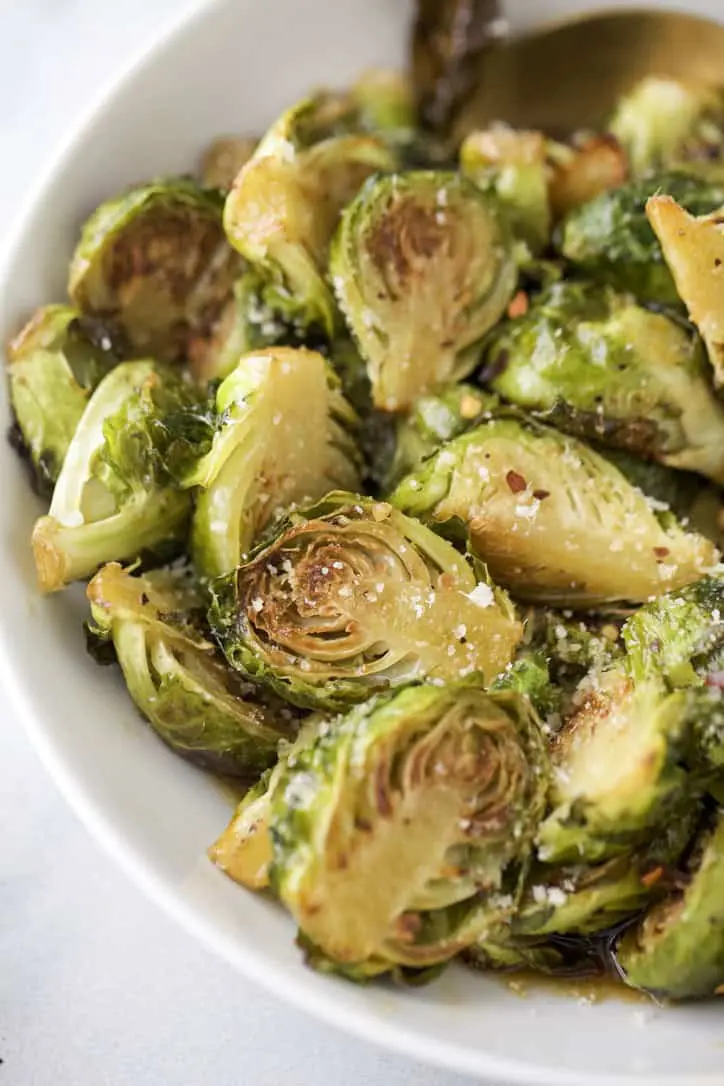 Hot Honey Brussels Sprouts: A Sweet‑Spicy Side That Turns Heads
 Turn Your Pasta Sauce Into a Nutritional Powerhouse
 West Coast IPAs vs East Coast IPAs: A Flavor Battle Across the United States
Two tablespoons provide enough impact to notice a difference without making the meatballs taste overly acidic or red. Why Tomato Paste Works Better Than Sauce Tomato paste has less water than canned tomatoes or marinara, so it doesn’t make the mixture soggy. Its concentrated form delivers more flavor per spoonful, meaning a small amount goes a long way. When browned slightly during cooking, it develops caramelized notes that complement herbs like garlic, oregano, and basil. This method avoids diluting the meatball’s structure while still delivering a noticeable boost in richness. Many home cooks overlook this step, assuming sauce added after cooking is enough for flavor. How Much Should You Really Use? Using more than two tablespoons can throw off the balance, making the meatballs dense or too tart. Stick to the measured amount for consistent results, especially when following a family recipe.
Some cooks experiment with adding a teaspoon of sugar to counteract acidity, but it’s often unnecessary with proper browning. The key is to mix the paste thoroughly with the raw meat before shaping, ensuring even distribution. This technique works equally well for baked, fried, or simmered meatballs. Frequently Asked Questions Can I use tomato sauce instead of paste? No, because sauce contains more water and less concentrated flavor, which can make the mixture wet and dilute the meat’s taste. Will this make my meatballs taste like spaghetti? Not if used in moderation—two tablespoons enhance savoriness without dominating the profile, especially when balanced with herbs and cheese. Is this method safe for frozen meatballs? It’s best applied to fresh mixtures; adding paste to pre-made frozen meatballs won’t allow proper integration during thawing and reheating.
Content written by Lucas Carter for fancy-meals.com editorial team, AI-assisted.