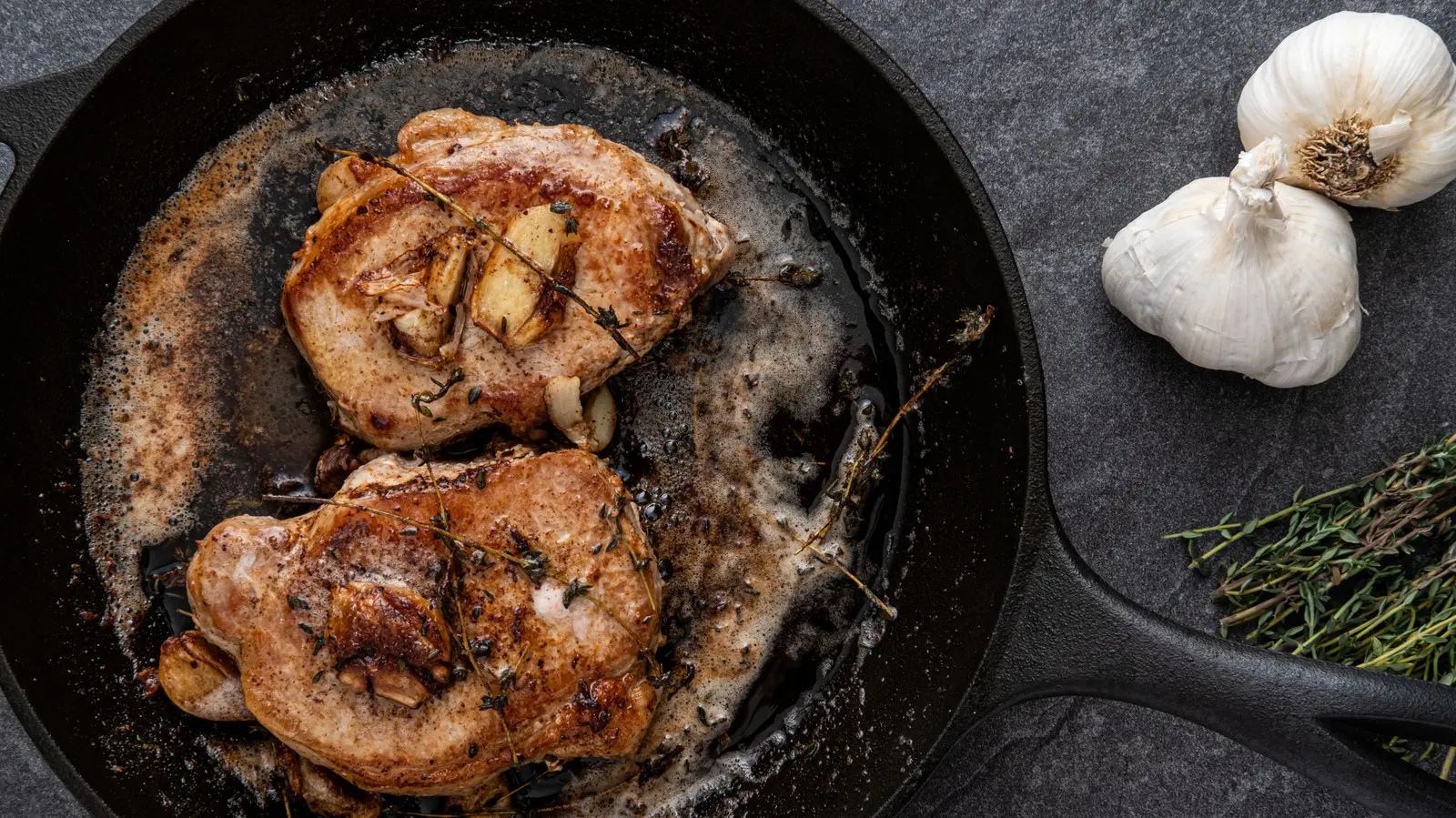
Flavor-Packed Pork Chops Start With This Fall Staple
How Apples Transform the Cooking Process
As autumn arrives with cooler temperatures and changing foliage, home cooks begin seeking hearty meals that capture the season’s essence. Pork chops, when prepared with the right ingredients, become a canvas for rich, warm flavors that define fall dining. This time of year offers the perfect opportunity to elevate a simple protein into a deeply satisfying dish using ingredients that are both accessible and emblematic of the season.
Latest news
 Moe's Southwest Grill Menu Items Ranked from Worst to Best
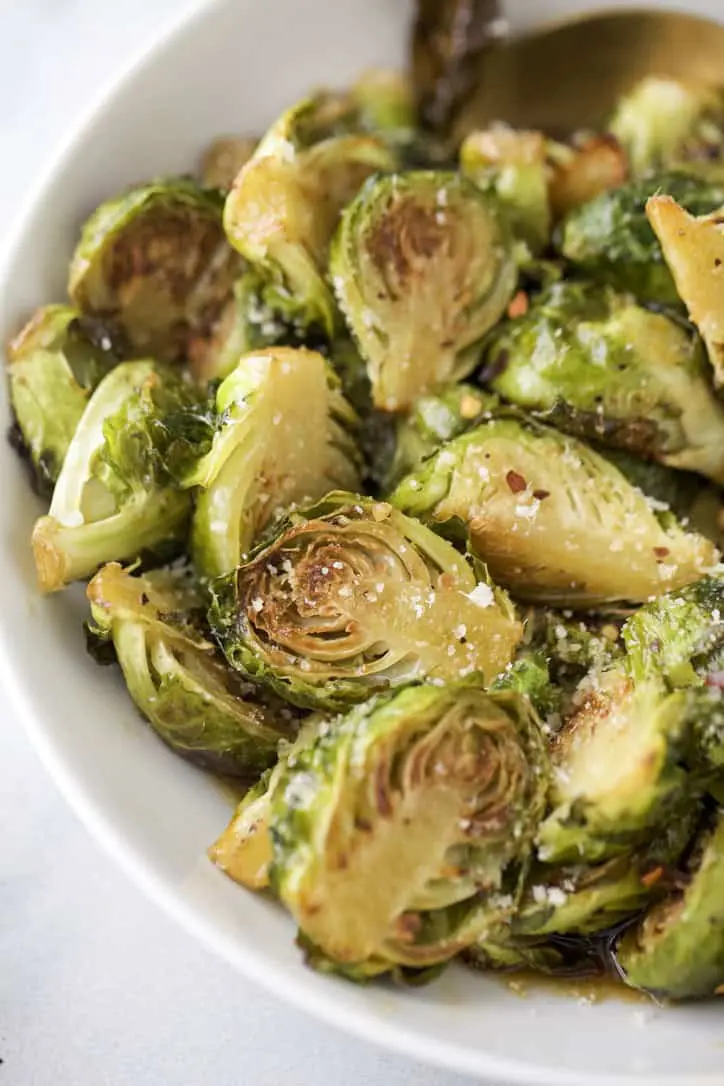 Hot Honey Brussels Sprouts: A Sweet‑Spicy Side That Turns Heads
 Turn Your Pasta Sauce Into a Nutritional Powerhouse
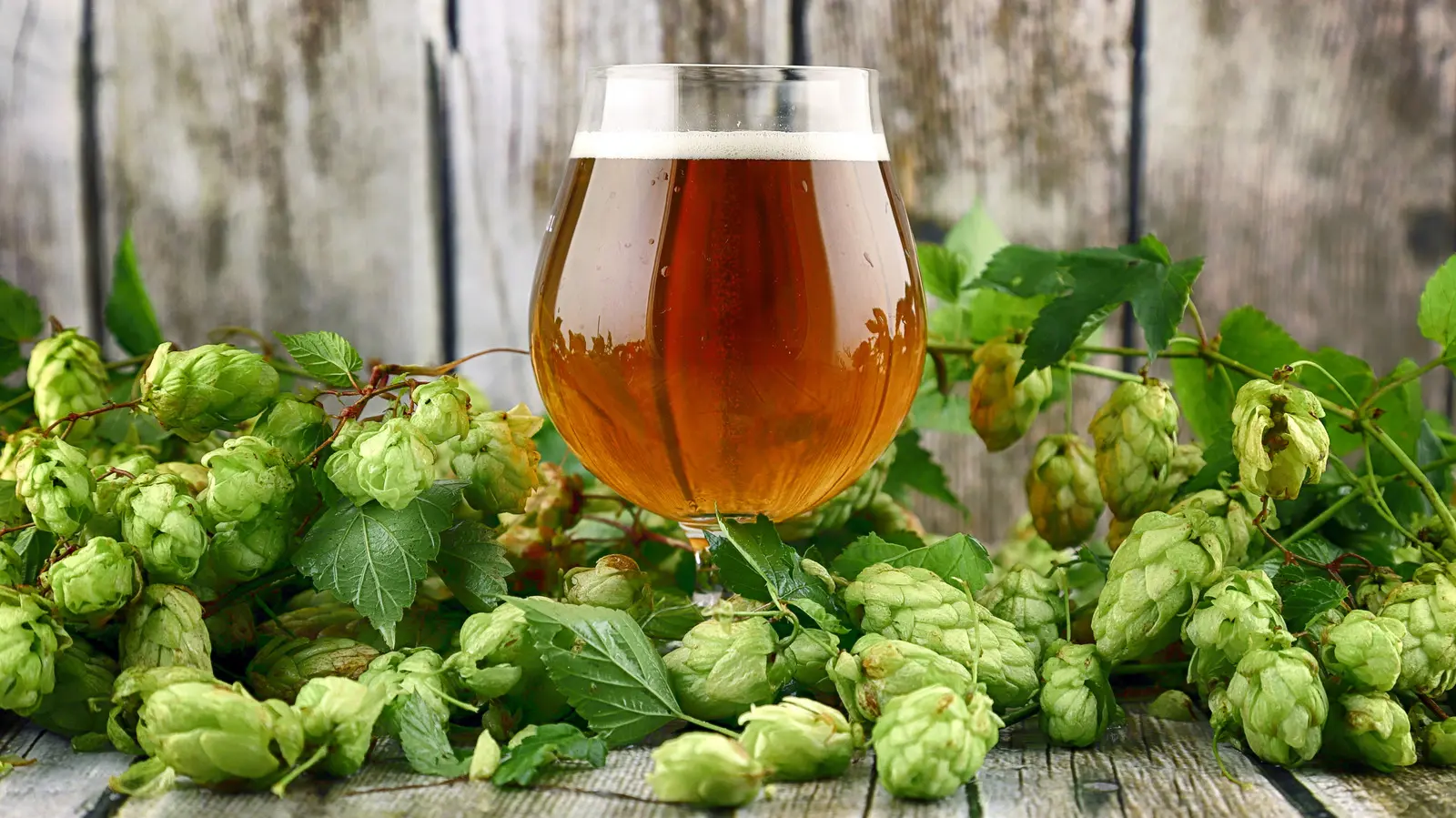 West Coast IPAs vs East Coast IPAs: A Flavor Battle Across the United States
The key to achieving flavor-packed pork chops lies in starting with a fall staple: apples. Their natural sweetness and tartness complement the savory depth of pork, creating a balanced profile that enhances juiciness without overpowering the meat. When paired with aromatic herbs like thyme and sage, and cooked slowly to allow flavors to meld, apples break down into a tender sauce that bastes the chops from within. This method not only infuses the meat with seasonal notes but also helps retain moisture during cooking, resulting in a fork-tender texture.
Why This Approach Beats Standard Seasoning Methods
Using apples in pork chop preparation goes beyond mere garnish; they actively participate in the cooking dynamics. As the apples soften, they release pectin and sugars that caramelize slightly under heat, forming a light glaze that seals in juices. Chefs recommend using firm varieties like Honeycrisp or Gala, which hold their shape while contributing complex flavor layers. The acidity in apples also helps tenderize the meat gently, making it more receptive to seasonings. This technique, rooted in traditional autumn cooking, leverages the fruit’s dual role as both flavor enhancer and moisture regulator.
Unlike dry rubs or marinades that sit on the surface, cooking pork chops with apples integrates flavor throughout the meat via steam and basting action. This internal infusion prevents the common issue of dry, overcooked edges while ensuring the center remains succulent. Additionally, the natural sugars in apples promote better browning through the Maillard reaction, improving both texture and visual appeal. Compared to relying solely on salt, pepper, or pre-made sauces, this method delivers a more nuanced taste experience that evolves with each bite—sweet, herbal, and deeply savory.
What Are the Best Ways to Serve Apple-Infused Pork Chops?
These pork chops pair exceptionally well with sides that echo the autumn theme, such as roasted root vegetables, wild rice pilaf, or sautéed Brussels sprouts with bacon. A drizzle of the pan-reduced apple sauce adds brightness and ties the plate together. For a complete meal, consider serving with a glass of hard cider or a light red wine like Pinot Noir, which complements both the pork and the fruit notes. Leftovers, if any, make excellent sandwich fillings the next day, especially when layered with sharp cheddar and arugula on crusty bread.
What type of apples work best for cooking with pork chops? Firm, slightly sweet-tart varieties like Honeycrisp, Gala, or Braeburn are ideal because they hold their shape during cooking and contribute balanced flavor without turning to mush.
Frequently Asked Questions
Can I use apple juice or cider instead of fresh apples? While apple juice or cider can add flavor, they lack the texture and natural pectin that fresh apples provide, which are essential for creating a rich, cohesive sauce that bastes the meat effectively.
Is it necessary to sear the pork chops before adding apples? Yes, searing the chops first develops a flavorful crust and locks in juices, ensuring the meat stays tender while absorbing the apple-infused aromatics during the slower cooking phase.
Content written by [email protected] (Andrew Amelinckx) for fancy-meals.com editorial team, AI-assisted.