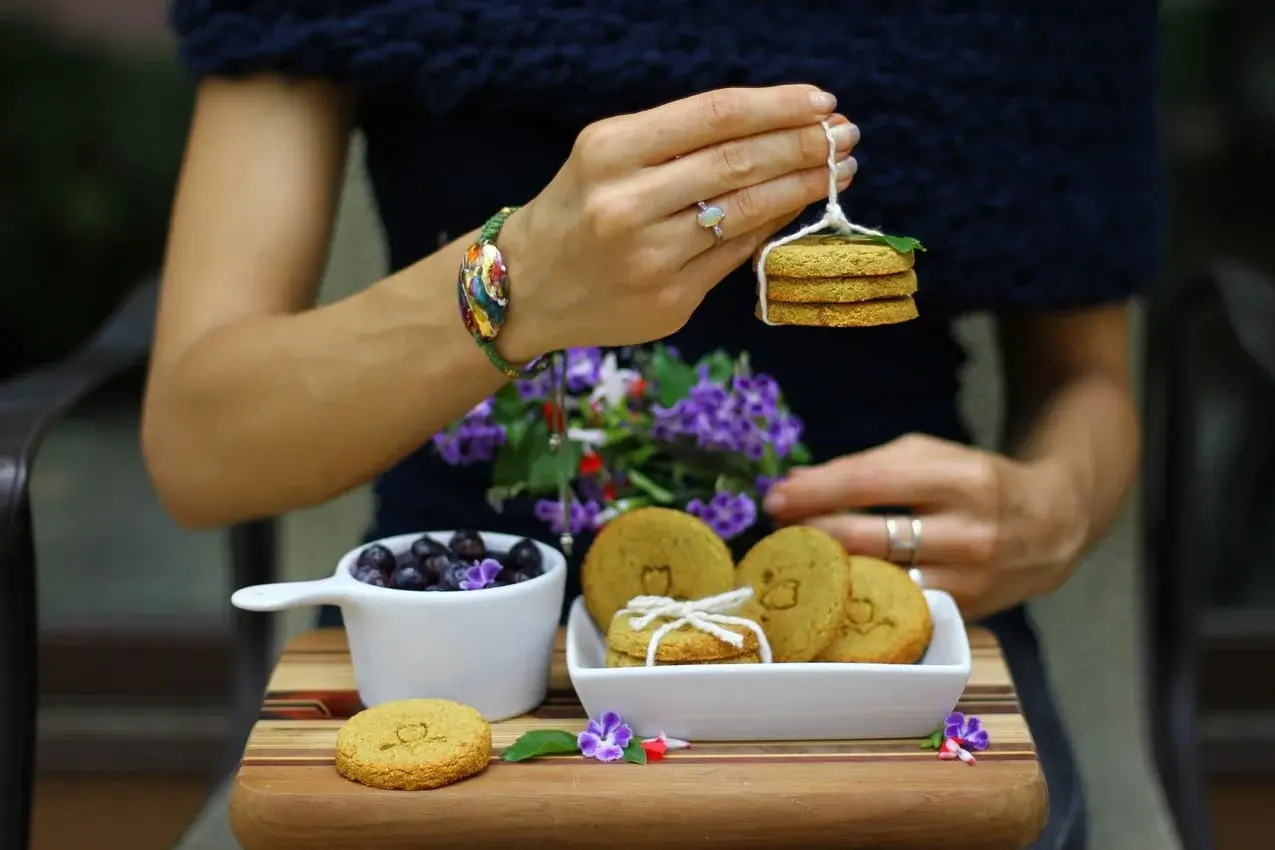
Christmas Cookie Traditions Fill Holiday Tins Early
From German Spices to Dutch Delights: How Regional Cookies Shape Holiday Tables
The holiday season brings a familiar joy: opening a tin of fresh cookies in mid‑December and still finding it brimming. To achieve that, many families start baking weeks ahead, preparing classics like gingerbread, spekulatius, lebkuchen, pepernoten and other regional treats that stay fresh through the festivities.
Latest news
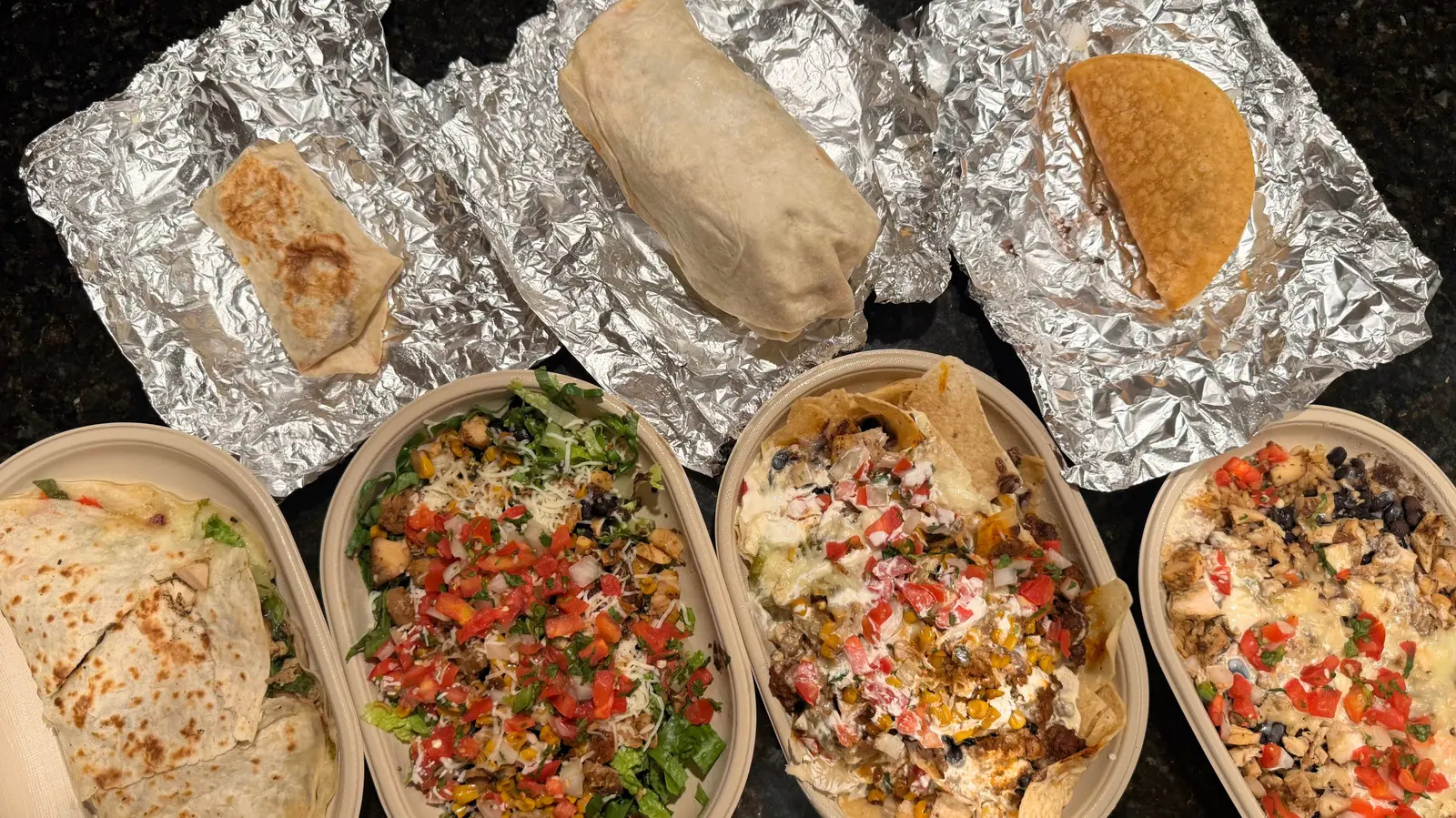 Moe's Southwest Grill Menu Items Ranked from Worst to Best
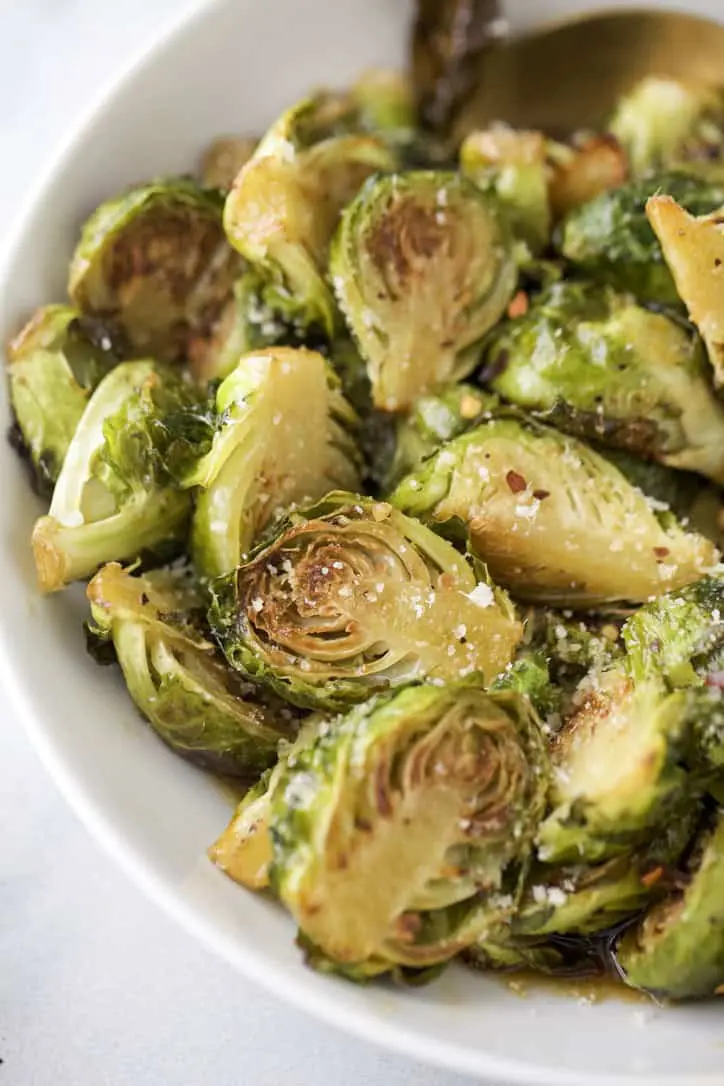 Hot Honey Brussels Sprouts: A Sweet‑Spicy Side That Turns Heads
 Turn Your Pasta Sauce Into a Nutritional Powerhouse
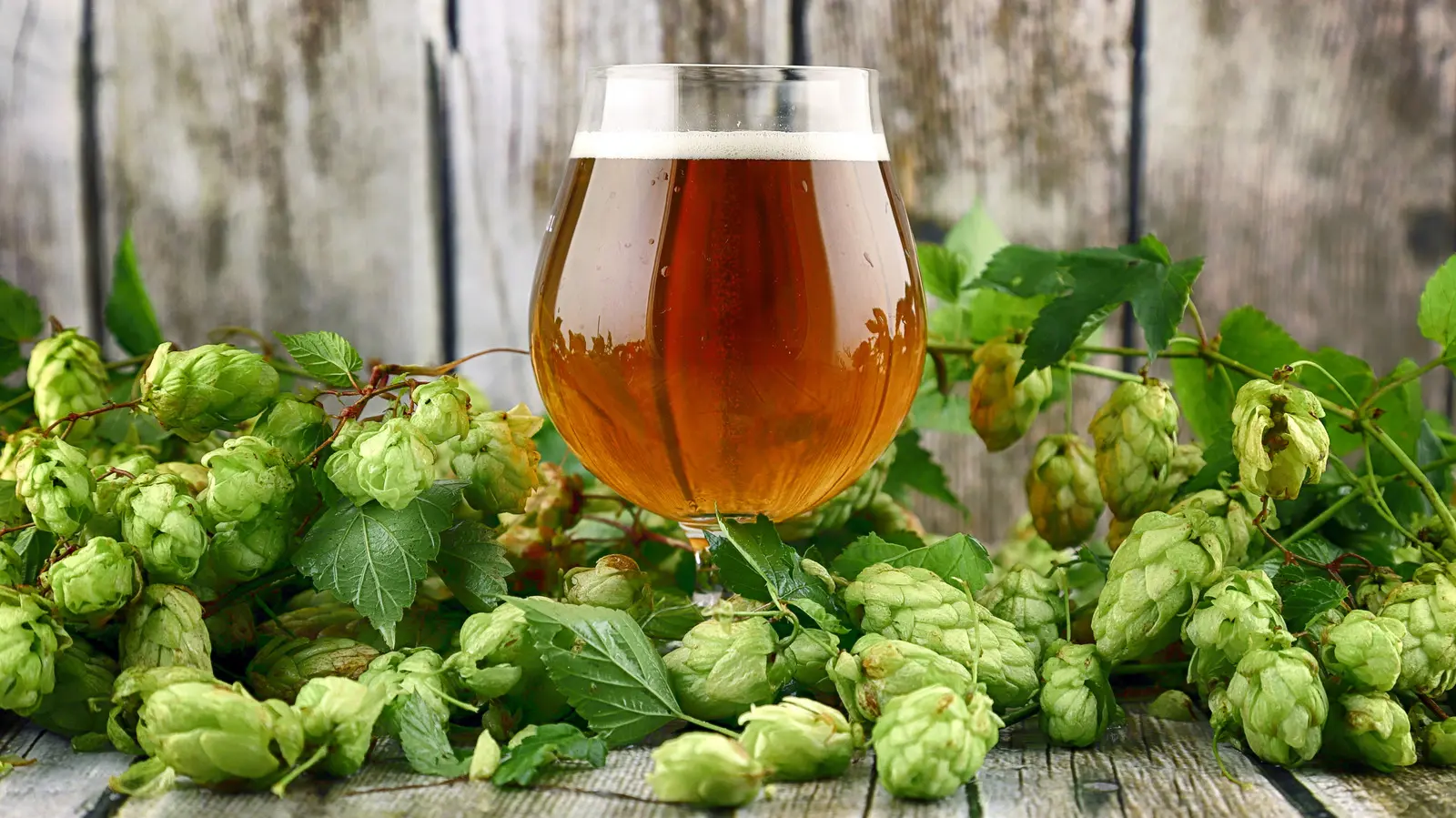 West Coast IPAs vs East Coast IPAs: A Flavor Battle Across the United States
Baking early allows flavors to mature and textures to settle, ensuring each bite is as good as the first. Traditional recipes often rely on spices, honey, and nuts that act as natural preservatives. Home bakers report that storing cookies in airtight tins with parchment layers keeps them crisp for weeks. The practice also spreads the workload, letting families enjoy the process together rather than scrambling at the last minute.
German households often feature lebkuchen, a soft, honey‑spiced cake dusted with powdered sugar. Its dense crumb holds up well in tins, making it a staple for December gatherings. In the Netherlands, spekulatius—thin, spiced biscuits with intricate designs—are baked in large batches and shared with neighbors. Dutch families cherish the ritual of shaping the dough into festive motifs before the ovens heat. Meanwhile, Belgian and Dutch „pepernoten” offer a crunchy, peppery bite that contrasts with sweeter options, adding variety to the tin’s contents. Across these cultures, the common thread is a reliance on spice blends like cinnamon, cloves, and cardamom, which not only flavor the cookies but also act as natural antimicrobials, extending shelf life.
Why Do Families Start Baking Weeks Before Christmas?
Early baking reduces stress and creates space for creativity. „When we start in early November, the kids can help decorate sugar cookies while we’re still planning the menu,” says Marieke van den Berg, a mother of three from Utrecht. The extra time also allows bakers to experiment with glazes, royal icing, and edible glitter without the pressure of a looming deadline. Moreover, many recipes improve with a brief rest; gingerbread dough, for instance, benefits from a 24‑hour chill, deepening its molasses flavor. By the time the holiday rush arrives, the tin is already packed, and the family can focus on other traditions such as gift‑giving and caroling.
The practice of early cookie preparation has broader implications for holiday commerce. Bakeries report a surge in orders for specialty tins as consumers seek ready‑made options that mimic the homemade feel. This trend encourages small producers to diversify their offerings, preserving regional recipes that might otherwise fade. As more households adopt the early‑bake habit, the collective memory of traditional holiday flavors strengthens, ensuring that future generations will still recognize the scent of ginger and spice drifting from a kitchen in December.
Frequently Asked Questions
How long can baked Christmas cookies stay fresh in a tin? When stored in an airtight container with a parchment separator, most spiced cookies remain fresh for two to three weeks, though denser varieties like lebkuchen can last up to a month.
What is the best way to keep cookies from sticking together? Layering sheets of parchment or wax paper between layers prevents moisture transfer and keeps each cookie intact.
Can I freeze holiday cookies for later use? Yes, most cookies freeze well for up to three months; thaw them at room temperature and re‑crisp in a low oven before serving.
Content written by Victoria Lane for fancy-meals.com editorial team, AI-assisted.