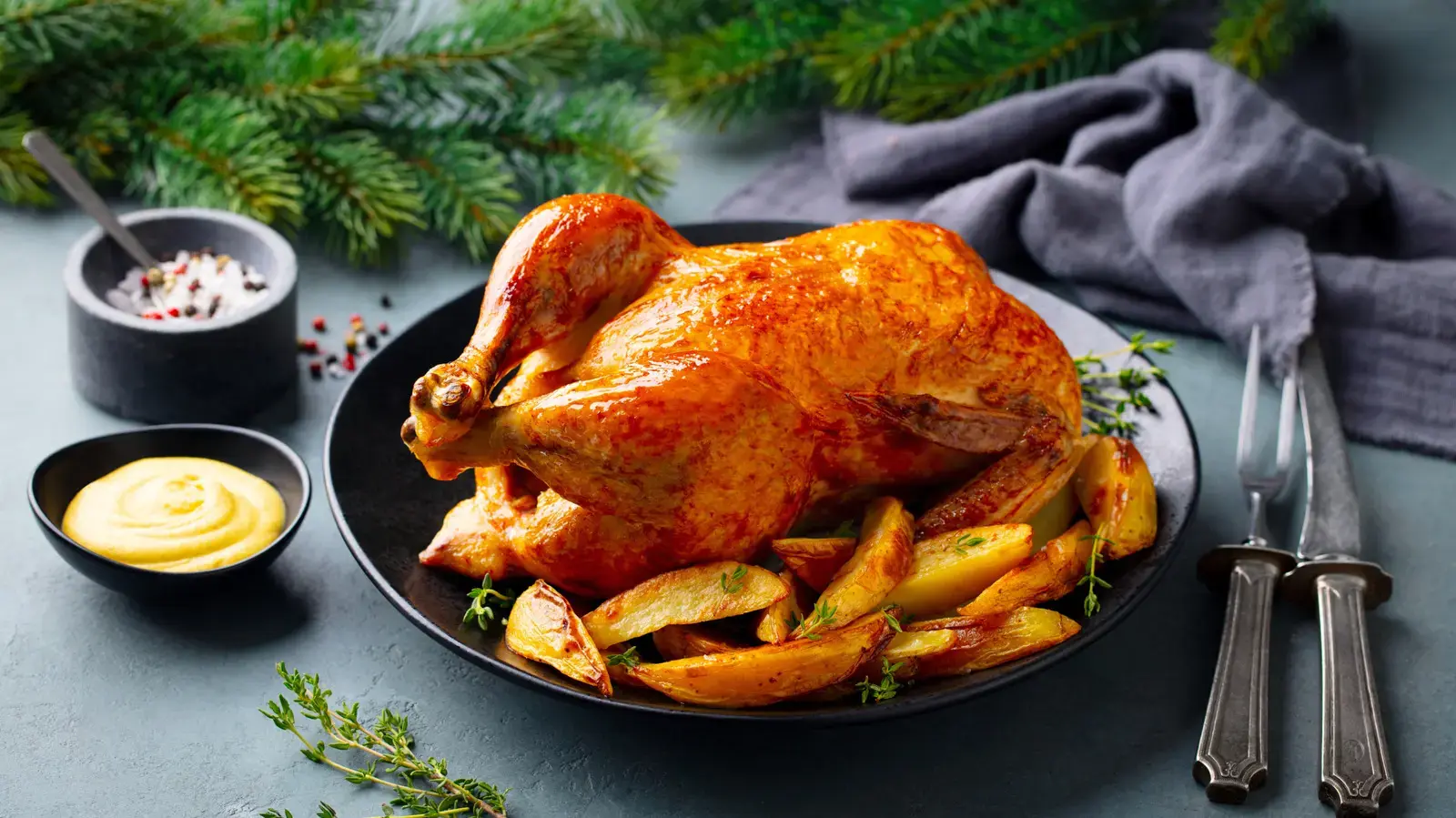
Rotisserie cooking beats traditional roasting for whole chickens
Why Constant Motion Changes Texture
Home cooks face a common dilemma when preparing whole poultry. Two primary methods dominate the kitchen: standard oven roasting and rotisserie spinning. While both techniques yield delicious results, experts argue that one method produces superior texture and flavor. The debate centers on heat distribution and cooking time efficiency.
Latest news
 Moe's Southwest Grill Menu Items Ranked from Worst to Best
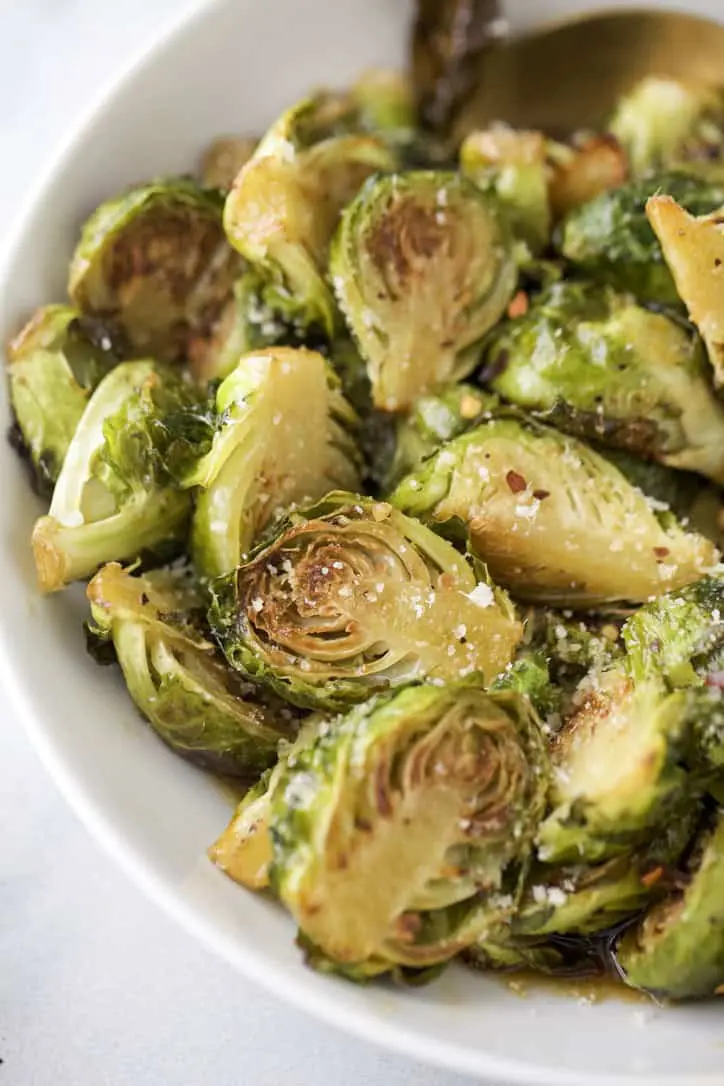 Hot Honey Brussels Sprouts: A Sweet‑Spicy Side That Turns Heads
 Turn Your Pasta Sauce Into a Nutritional Powerhouse
 West Coast IPAs vs East Coast IPAs: A Flavor Battle Across the United States
Traditional roasting relies on static heat from an oven. This method is familiar and requires minimal equipment. However, it often leads to uneven cooking temperatures. Breast meat can dry out before thigh meat reaches safety standards. Rotisserie cooking offers a dynamic alternative. The bird spins continuously over a heat source. This constant motion ensures even exposure to heat.
The physics of heat transfer favor the rotating bird. As the chicken turns, all sides receive consistent thermal energy. This prevents localized hot spots that cause charring or drying. The internal juices redistribute more evenly throughout the meat. Consequently, the final product remains moist from breast to leg. Static roasting struggles with this consistency. Gravity pulls juices downward, leaving upper portions drier. Rotisserie action counteracts this effect through mechanical movement.
Does Equipment Limit Your Options?
Cooking times also differ significantly between the two approaches. A standard oven roast typically takes forty-five minutes to an hour. A rotisserie setup can reduce this window substantially. The direct heat source accelerates the process. Home chefs must monitor internal temperatures closely regardless of method. A digital thermometer remains the most reliable tool for accuracy.
Not every kitchen accommodates a rotisserie spit. Standard ovens rarely include this feature as standard. Many homeowners use outdoor grills or dedicated rotisserie attachments. These devices require specific hardware for secure mounting. If you lack this gear, traditional roasting remains the practical choice. You can mimic some benefits by basting frequently. This manual intervention helps distribute surface moisture. It does not replicate the continuous rotation, however.
Flavor profiles also diverge based on the technique. Rotisserie birds develop a crispier skin. The constant airflow promotes browning. Roasted chickens rely on rendered fat and seasoning for flavor depth. Both methods allow for herb rubs and marinades. The choice ultimately depends on desired texture preferences. Some diners prefer the tender, uniform bite of a spun chicken. Others enjoy the classic crust of a roasted bird.
Frequently Asked Questions
Is rotisserie cooking faster than roasting? Yes, the continuous rotation exposes the meat to direct heat more efficiently. This reduces total cooking time compared to static oven roasting.
Can I use a rotisserie indoors? Most standard ovens do not have built-in rotisserie spits. You can use a grill or a specialized indoor attachment if your kitchen allows it.
Which method yields juicier meat? Rotisserie cooking generally produces juicier results. Even heat distribution prevents the breast from drying out before the legs are fully cooked.
Content written by Isabelle Fontaine for fancy-meals.com editorial team, AI-assisted.