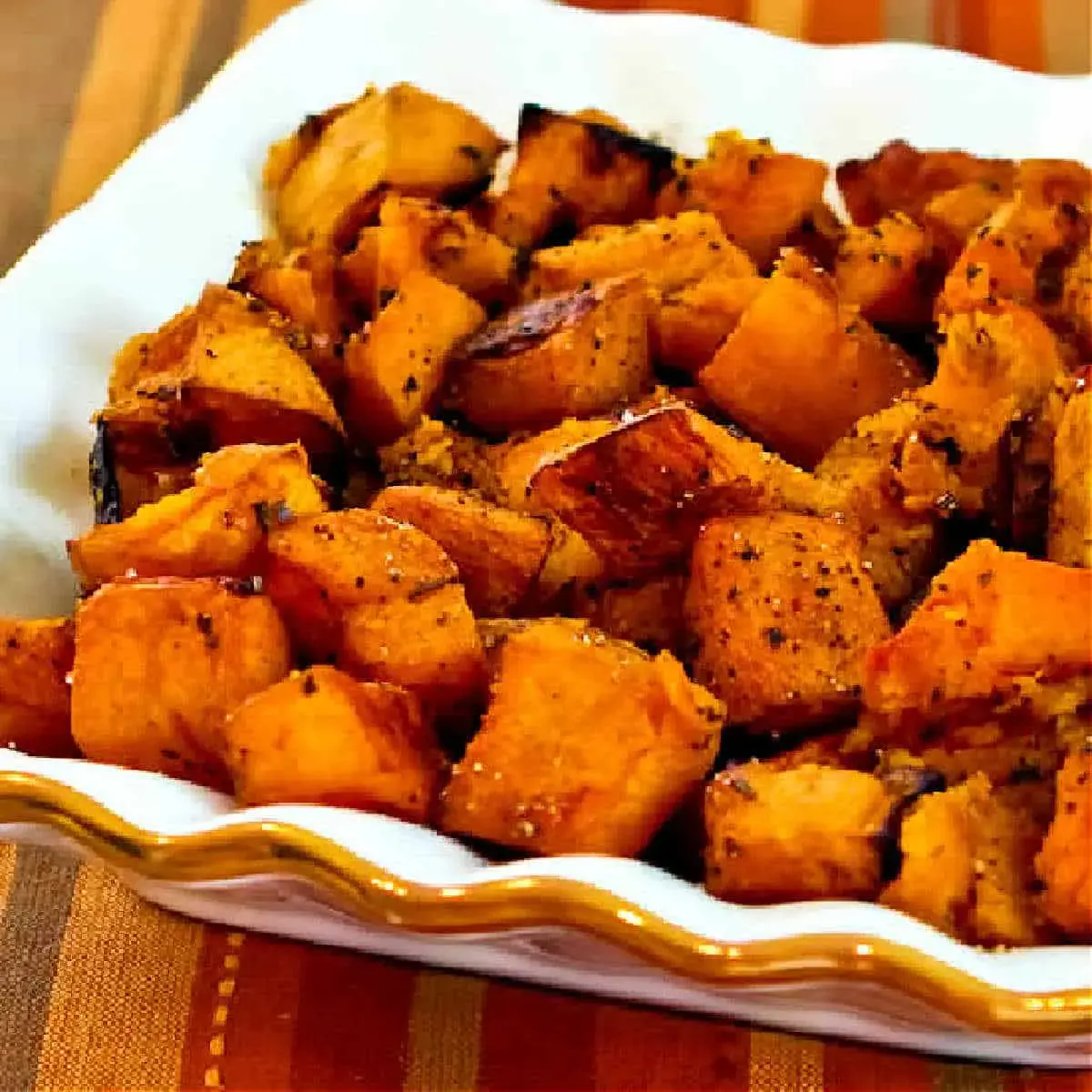
Balsamic Butternut Squash with Rosemary
Why It’s a Seasonal Staple
A crisp fall side dish that blends sweet squash with tangy balsamic and fragrant rosemary. The recipe is quick to prepare, offering a satisfying flavor profile that pairs well with roasted meats or as a vegetarian main. It’s also low in calories and can be portioned to keep carbohydrate intake in check.
Latest news
 Moe's Southwest Grill Menu Items Ranked from Worst to Best
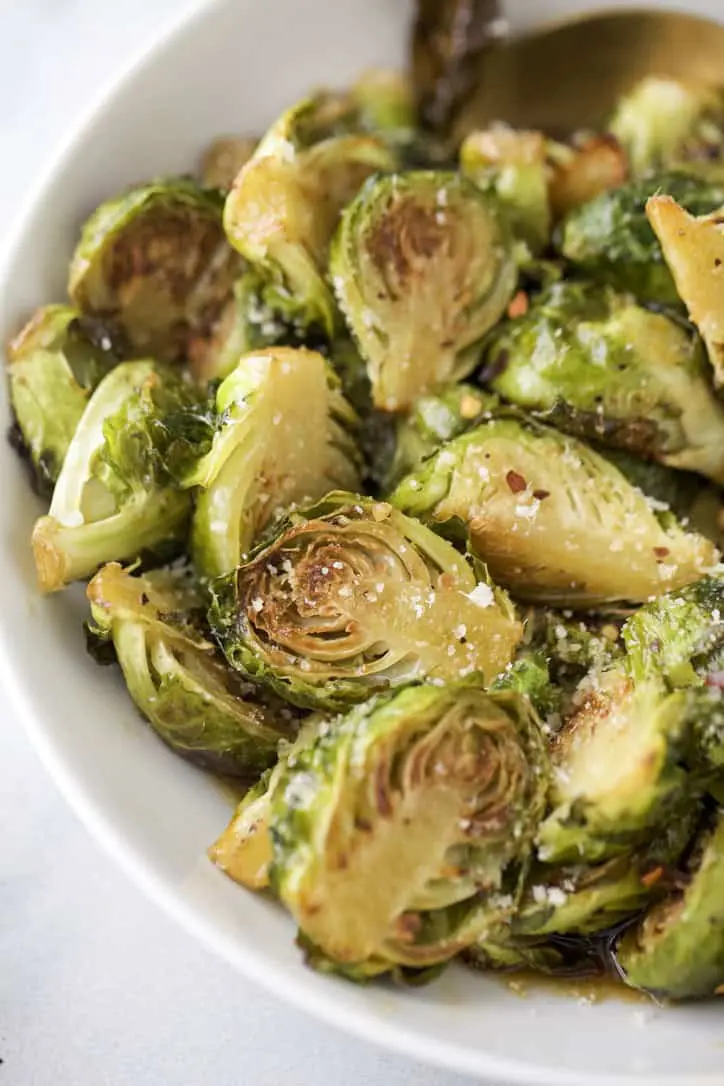 Hot Honey Brussels Sprouts: A Sweet‑Spicy Side That Turns Heads
 Turn Your Pasta Sauce Into a Nutritional Powerhouse
 West Coast IPAs vs East Coast IPAs: A Flavor Battle Across the United States
The dish begins with cubed butternut squash tossed in olive oil, salt, and pepper. Fresh rosemary sprigs are added to infuse the oil with herbal aroma. After a short sear, the mixture receives a splash of balsamic vinegar, which caramelizes during baking. The result is a glossy, slightly charred surface that locks in natural sugars while the rosemary imparts a piney undertone. The technique is simple: roast at 400°F for 20–25 minutes, stirring halfway through to ensure even browning.
How Portion Control Keeps It Healthy
Butternut squash is at its peak in late summer and early fall. Its high beta‑carotene content provides a natural source of vitamin A, supporting vision and immune function. The addition of balsamic vinegar introduces antioxidants that help neutralize free radicals. Rosemary, rich in rosmarinic acid, offers anti‑inflammatory benefits. Together, these ingredients create a dish that is both nutritious and comforting, making it a favorite for holiday gatherings and month‑end dinners.
Many people worry that squash dishes are carb‑heavy. By measuring portions—about one cup of roasted squash per serving—you can keep the net carbohydrate count moderate. A single cup of cooked butternut squash contains roughly 15 grams of carbs, which is manageable within a balanced diet. Portioning also prevents overeating, allowing the dish to complement lean proteins or salads without dominating the plate.
The recipe’s simplicity encourages home cooks to experiment. Swapping the olive oil for avocado oil can add heart‑healthy monounsaturated fats. Using a low‑sodium balsamic vinegar reduces sodium intake while preserving flavor. Some cooks add a pinch of crushed red pepper for heat, creating a subtle contrast between sweet and spicy.
Can This Dish Replace a Hearty Main Course?
Yes, for those who prefer lighter meals. The squash’s natural sweetness and the depth of balsamic tang can satisfy hunger when paired with protein‑rich sides like grilled chicken or tofu. For a more filling option, serve the roasted squash over quinoa or farro, adding a protein source and extra fiber. This flexibility makes the dish suitable for both casual week‑night dinners and formal holiday tables.
The popularity of this recipe reflects a broader trend toward plant‑based, low‑calorie, and nutrient‑dense meals. As people seek healthier alternatives without sacrificing flavor, simple preparations like balsamic roasted squash will likely remain in kitchens. Seasonal ingredients, quick cooking times, and health benefits combine to make it a staple for the foreseeable future.
Is this recipe suitable for a low‑carb diet? Yes. A single cup of roasted squash has about 15 grams of carbs. Portion control keeps the total intake low, fitting most low‑carb plans.
Frequently Asked Questions
Can I use dried rosemary instead of fresh? Dried rosemary works, but use only half the amount of fresh. The flavor is more concentrated, so start with a smaller quantity and adjust to taste.
What’s the best way to store leftovers? Cool the squash to room temperature, then refrigerate in an airtight container for up to three days. Reheat gently in a skillet or oven to restore crispness.
Content written by Kalyn Denny for fancy-meals.com editorial team, AI-assisted.