
Autumn’s Perfect Comfort Dish: Butternut Squash Risotto
Why Separate Roasting Changes the Flavor Profile
October and November mark the prime season for butternut squash, offering a fleeting window of peak flavor. This specific risotto recipe stands out as the definitive way to utilize the vegetable during this autumn period. The dish combines sweet, caramelized squash with creamy Arborio rice, creating a luxurious texture that rivals custard. It serves effectively as a hearty vegetarian main course or a substantial side dish.
Latest news
 Moe's Southwest Grill Menu Items Ranked from Worst to Best
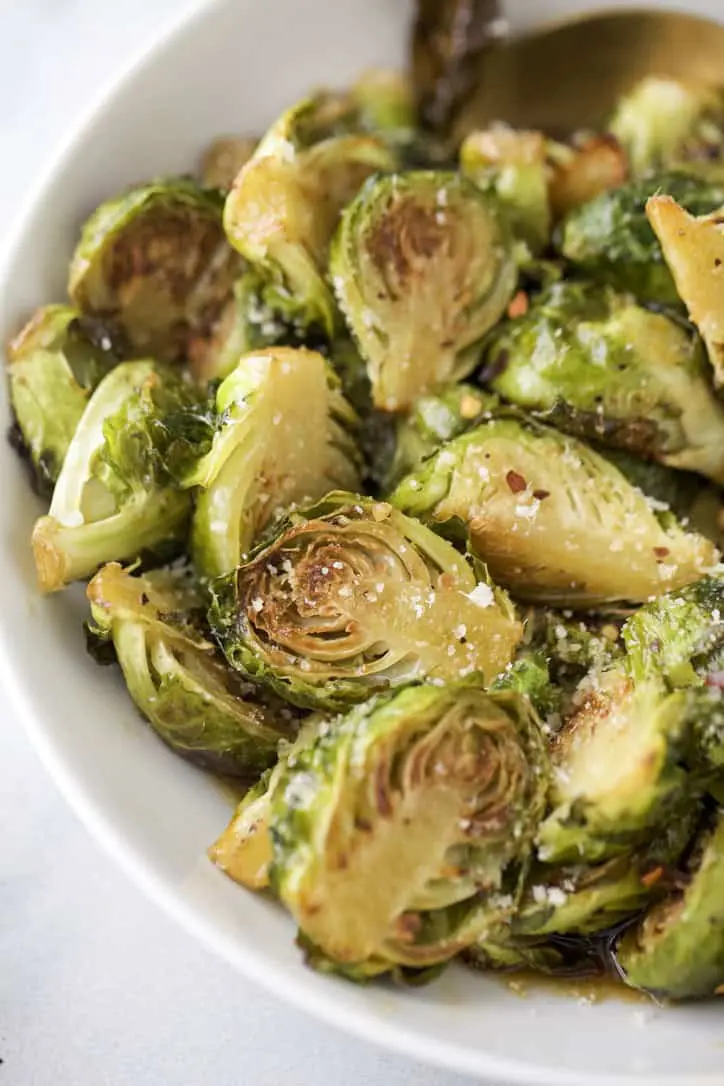 Hot Honey Brussels Sprouts: A Sweet‑Spicy Side That Turns Heads
 Turn Your Pasta Sauce Into a Nutritional Powerhouse
 West Coast IPAs vs East Coast IPAs: A Flavor Battle Across the United States
The preparation method involves roasting the squash separately before incorporating it into the rice. This technique ensures the vegetable develops deep, complex flavors through caramelization. When mixed with the starchy, slow-cooked rice, the result is a rich, cohesive meal. The addition of fresh sage and grated Parmesan cheese elevates the profile further. These ingredients bind the components together, adding aromatic herbs and savory depth to the sweet base.
Cooking the squash directly in the pot often leads to a mushy consistency. By roasting it first, chefs achieve distinct edges and concentrated sugars. This step prevents the vegetable from releasing too much water into the rice. Consequently, the final dish maintains a firm structure while retaining moisture. The separation allows each component to shine individually before they merge. This approach is crucial for achieving the desired balance between sweetness and creaminess.
Can You Substitute Other Winter Squashes?
The choice of Arborio rice is non-negotiable for this texture. Its high starch content releases gelatinous compounds during stirring. This process creates the signature silkiness associated with authentic risotto. Stirring requires patience and consistent motion over low heat. The gradual addition of warm broth keeps the grains separate yet bound. This slow absorption process takes time but yields superior results compared to quick-cook alternatives.
While butternut squash is the gold standard here, other winter varieties can work. Spaghetti squash offers a milder taste but lacks the necessary density. Acorn squash provides a nuttier flavor but may alter the color significantly. Pumpkin is a common substitute, though it tends to be watery. If using pumpkin, reduce the liquid in the recipe accordingly. The goal remains a thick, creamy consistency without becoming soupy. Adjustments depend on the specific moisture content of the chosen vegetable.
Sage is the traditional herb pairing for this dish. Its earthy notes complement the sweetness of the squash perfectly. Fresh leaves should be crisped in butter before being added. This releases their oils and adds a visual garnish. Dried sage is acceptable but less potent. A pinch of black pepper cuts through the richness. Lemon zest can also be added for brightness if preferred. These small adjustments allow for personal customization without breaking the core recipe.
Frequently Asked Questions
How long does the risotto take to cook? The entire process usually takes between thirty and forty minutes. Most of this time is spent slowly stirring the rice. The separate roasting of the squash adds another twenty minutes. Plan your schedule accordingly to avoid rushing the final steps.
Is this dish suitable for dairy-free diets? You can easily adapt the recipe for dietary restrictions. Use a plant-based butter alternative for sautéing the aromatics. Substitute Parmesan with a nutritional yeast blend or vegan hard cheese. Ensure the broth used is clearly labeled as dairy-free. The texture remains similar with these swaps.
Can I make this ahead of time? Yes, risotto holds well for up to two days in the refrigerator. Store it in an airtight container in the fridge. Reheat it gently on the stove with a splash of broth. This restores the creamy consistency that cools down upon storage. Do not microwave it, as this can make the texture rubbery.
Content written by Kalle Bergman for fancy-meals.com editorial team, AI-assisted.