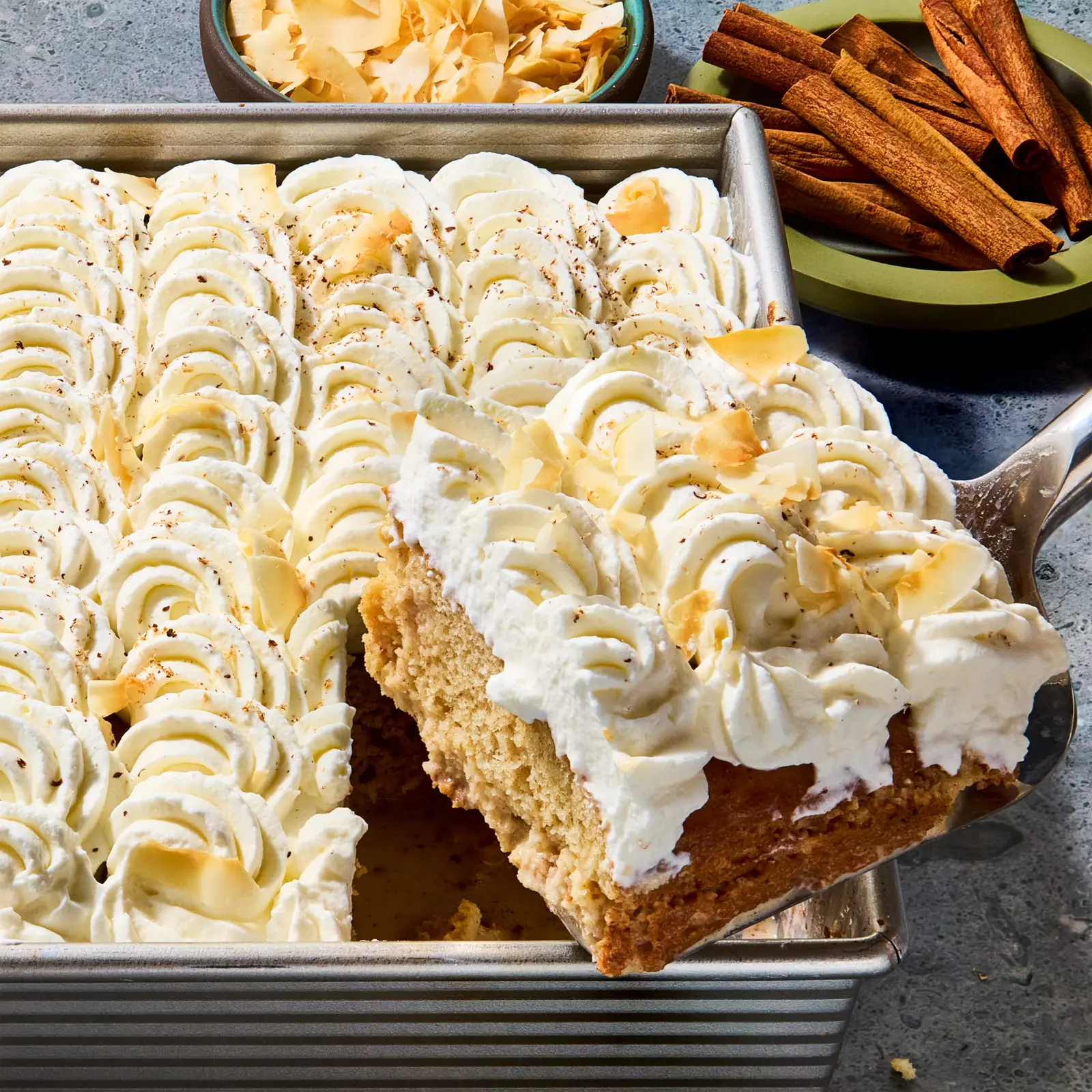
Tres Leches Cake Gets a Triple Take on the Baking Stage
She also measured the absorption rate of the sponge and the final crumb
A home baker in California tested three distinct versions of the classic Latin dessert, sparking an enthusiastic response from her editorial team. The experiment began on a quiet Saturday morning in Los Angeles, where Makinze Gore, a self‑taught pastry enthusiast, set out to reinvent the traditional tres leches cake. She prepared three variants: a classic sponge soaked in a trio of milks, a vegan version using coconut milk and almond milk, and a low‑sugar option that swapped regular milk for a sugar‑free alternative. The goal was to compare texture, flavor, and overall appeal across the three recipes. Gore documented each step, noting how the different milks altered the cake’s moisture and sweetness.
Latest news
 Moe's Southwest Grill Menu Items Ranked from Worst to Best
 Hot Honey Brussels Sprouts: A Sweet‑Spicy Side That Turns Heads
 Turn Your Pasta Sauce Into a Nutritional Powerhouse
 West Coast IPAs vs East Coast IPAs: A Flavor Battle Across the United States
She also measured the absorption rate of the sponge and the final crumb structure after baking. Texture Tactics: How Milk Choices Shape the Cake In the classic version, the cake absorbed the mixture of evaporated milk, condensed milk, and heavy cream almost instantly. The result was a dense, custard‑laden crumb that stayed moist for days. Gore reported that the sponge’s rise was slightly reduced due to the heavy liquid load, but the final product was rich and indulgent. The vegan rendition used coconut milk and almond milk, which have lower fat content. Consequently, the cake was lighter and less dense, with a subtle nutty undertone. Gore noted that the sponge required a longer baking time to achieve the same rise as the classic, but the final texture was airy and less heavy on the palate.
The low‑sugar option substituted regular milk with a sugar‑free condensed milk
The low‑sugar option substituted regular milk with a sugar‑free condensed milk and a light evaporated milk. The cake maintained a similar moisture level but tasted noticeably less sweet. Gore observed that the crumb was firmer, and the frosting, made from whipped cream, required a stabilizer to prevent melting. Is a Vegan Tres Leches Cake Worth the Effort? The editorial team, intrigued by the variations, ran taste tests with a panel of 12 volunteers. Results were clear: the classic version received the highest overall satisfaction score, followed closely by the vegan version.
The low‑sugar cake, while appreciated by health‑conscious bakers, was deemed less satisfying by the majority. „Vegan desserts are growing in popularity, but the challenge lies in replicating the rich mouthfeel of dairy,” said a senior editor. „Gore’s vegan version achieved a commendable balance, offering a lighter alternative that still delivers on flavor.” The team also highlighted the practical benefits of the low‑sugar recipe for those monitoring carbohydrate intake. However, they cautioned that the reduced sweetness might not appeal to traditional dessert lovers. The experiment underscores the importance of ingredient choice in dessert creation. By tweaking the milk components, bakers can tailor a tres leches cake to specific dietary preferences without compromising on the iconic moistness that defines the dish. Frequently Asked Questions Q1: Can I use any type of milk in a tres leches cake? A1: Yes.
While dairy milk is traditional, plant‑based milks like coconut or almond can be used, though they may alter the cake’s density and flavor profile. Q2: How long does a tres leches cake stay fresh? A2: When stored in an airtight container in the refrigerator, it remains moist and flavorful for up to five days. Q3: Is it possible to make a low‑sugar version without compromising taste? A3: Using sugar‑free condensed milk and a small amount of natural sweeteners can reduce sugar while keeping the cake enjoyable, but it may still be less sweet than the classic.
Content written by Lucas Carter for fancy-meals.com editorial team, AI-assisted.