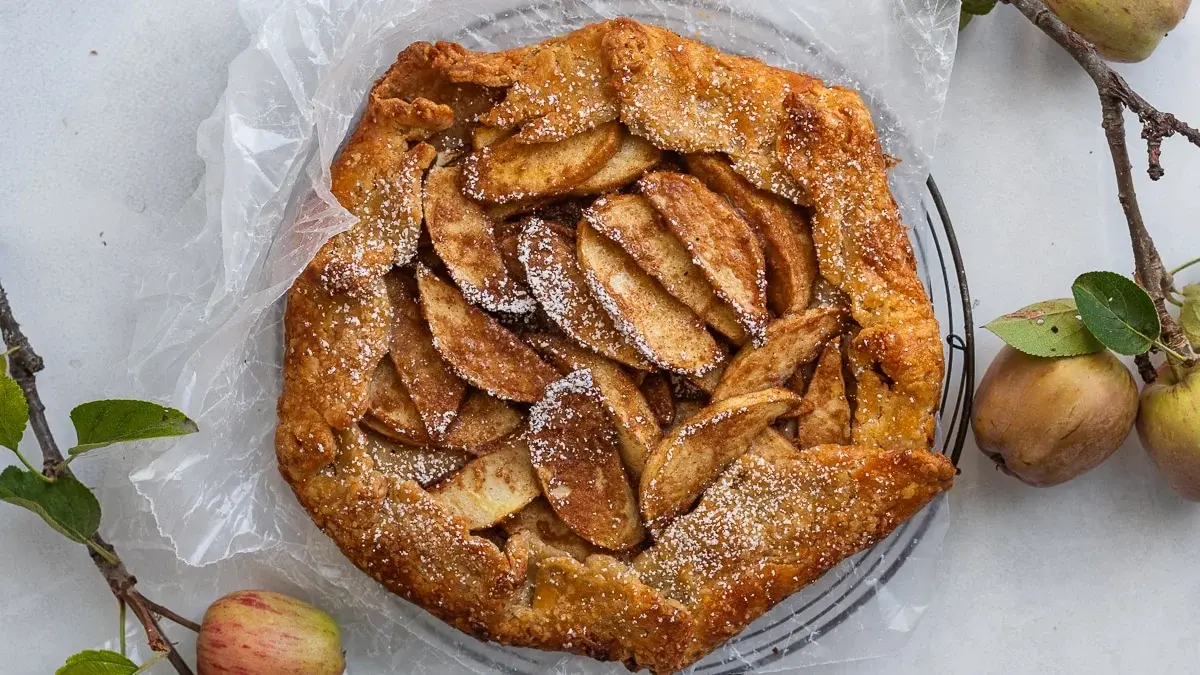
Sourdough Apple Galette Takes Center Stage in Home Baking
The Science Behind a Sourdough Crust
A simple, rustic galette featuring a sourdough‑based crust and spiced apples is gaining popularity among home bakers. The recipe, which blends sourdough starter, einkorn flour and generous butter, promises a flaky, buttery base while cinnamon and a splash of brandy lift the fruit filling. The dish can be assembled in under an hour, making it an appealing option for weekend kitchens across the country.
Latest news
 Moe's Southwest Grill Menu Items Ranked from Worst to Best
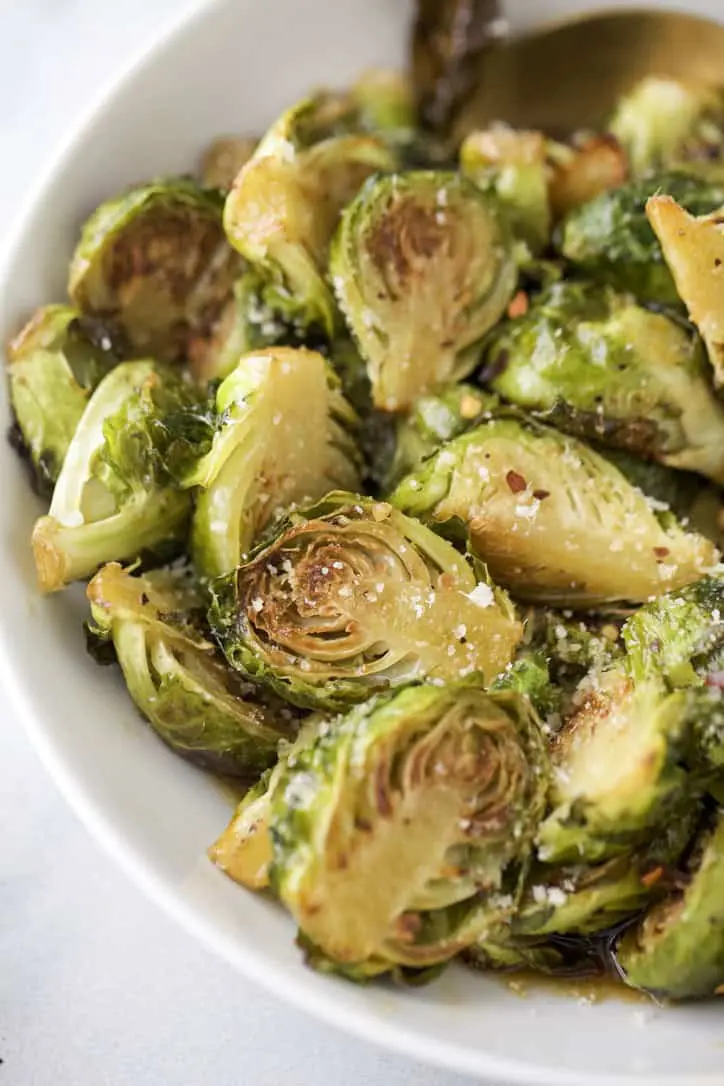 Hot Honey Brussels Sprouts: A Sweet‑Spicy Side That Turns Heads
 Turn Your Pasta Sauce Into a Nutritional Powerhouse
 West Coast IPAs vs East Coast IPAs: A Flavor Battle Across the United States
The galette’s appeal lies in its straightforward technique and the depth of flavor that a natural starter provides. Using a food processor to combine the dough ingredients saves time, and the dough can be rolled out on a parchment‑lined sheet pan before being topped with thin apple slices. After a brief bake, the crust turns golden and the apples soften, releasing aromatic spices. The recipe’s creator notes that the combination of einkorn flour—a heritage grain with a nutty profile—and the tang of sourdough gives the pastry a complexity rarely found in quick‑mix alternatives.
Sourdough starter introduces wild yeasts and lactic‑acid bacteria that ferment the dough, creating air pockets and a subtle tang. When paired with einkorn flour, which contains a higher protein content than standard wheat, the dough develops a tender crumb while retaining structure. Butter, folded into the mixture, forms layers that puff up during baking, resulting in a flaky texture. The addition of cinnamon and brandy not only enhances the apples’ natural sweetness but also balances the sour notes of the starter, delivering a harmonious flavor profile.
Why Are Home Cooks Turning to Rustic Galettes Over Traditional Pies?
Many bakers cite the galette’s relaxed shape as a key factor. Unlike a pie, which demands precise crust lining and a decorative top, a galette embraces a free‑form appearance that looks intentional even when slightly imperfect. This forgiving nature reduces stress and encourages experimentation. Moreover, the use of a sourdough starter aligns with the growing interest in fermentation and heritage grains, allowing bakers to incorporate healthier, more sustainable ingredients into everyday desserts.
The galette’s rise coincides with a broader movement toward „rustic” baking, where texture and flavor take precedence over polished presentation. Social media platforms show a surge in posts featuring imperfect, home‑cooked pastries, suggesting that consumers value authenticity. As more people seek comfort foods that can be prepared with pantry staples, the sourdough apple galette fits neatly into that niche, offering both nostalgia and a touch of culinary sophistication.
Looking ahead, the galette may inspire variations that incorporate seasonal fruits or alternative spices, expanding its role in home kitchens. Its ease of preparation and adaptable nature suggest it could become a staple for bakers seeking a quick yet impressive dessert, especially as interest in sourdough and heritage grains continues to grow.
Frequently Asked Questions
Can I use regular all‑purpose flour instead of einkorn? Yes, all‑purpose flour works, though the crust will be less nutty and slightly less tender. Adjust the butter quantity if needed to maintain flakiness.
Do I need to feed my sourdough starter before making the dough? A recently fed starter at peak activity yields the best rise and flavor. If the starter is dormant, give it a feeding 8–12 hours before mixing.
What’s the best way to store leftovers? Cool the galette completely, then wrap it tightly in foil or plastic wrap. It will keep fresh for up to two days at room temperature or three days refrigerated.
Content written by Jenny for fancy-meals.com editorial team, AI-assisted.