Spotting Genuine Soy Sauce: A Quick Guide
The Traditional Fermentation Process
In grocery aisles, soy sauce appears in dozens of brands. Shoppers often cannot tell which bottles are truly fermented and which are chemically produced. Knowing the difference matters for flavor, nutrition, and authenticity.
Latest news
 Moe's Southwest Grill Menu Items Ranked from Worst to Best
 Hot Honey Brussels Sprouts: A Sweet‑Spicy Side That Turns Heads
 Turn Your Pasta Sauce Into a Nutritional Powerhouse
 West Coast IPAs vs East Coast IPAs: A Flavor Battle Across the United States
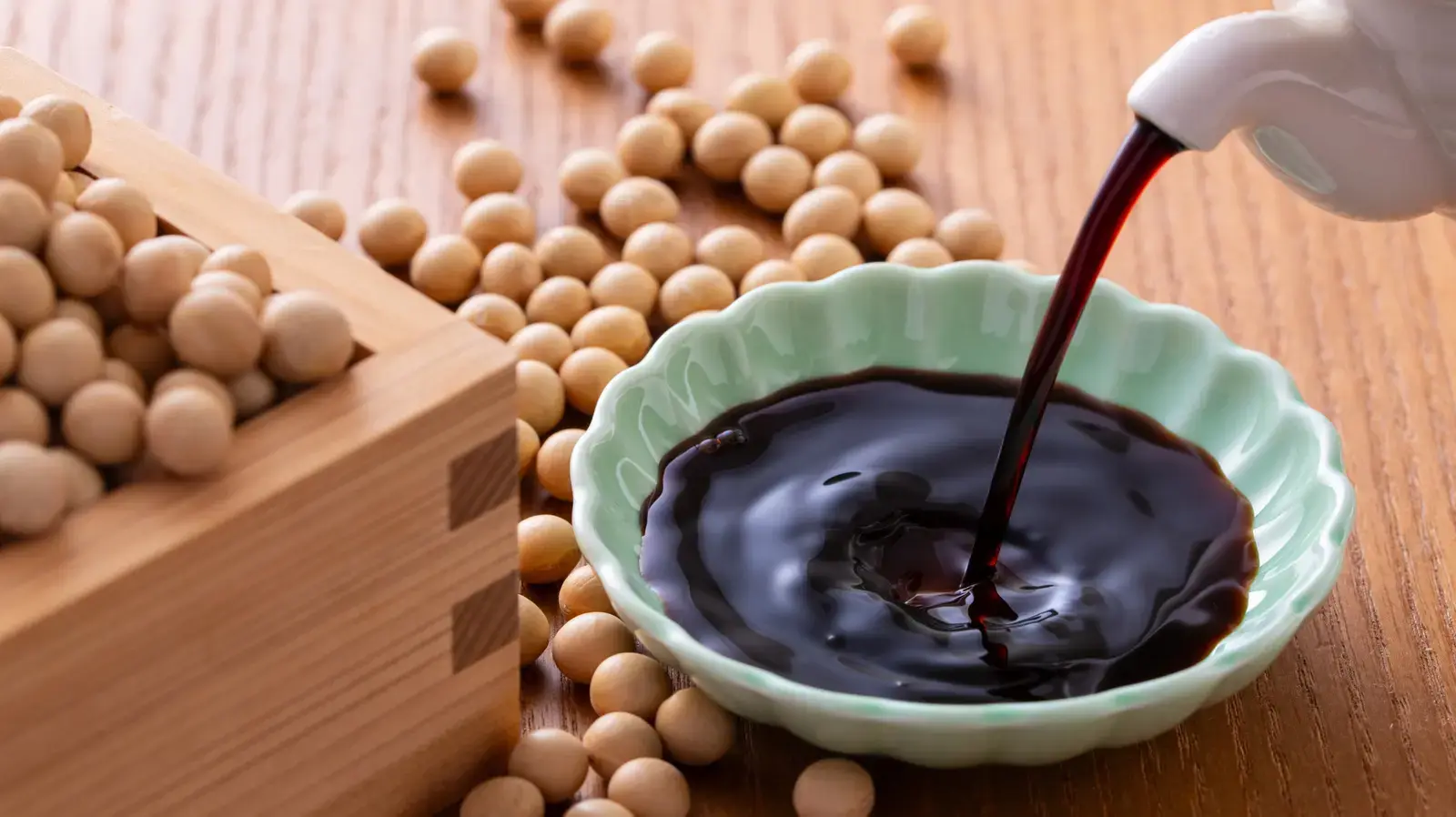
Traditional soy sauce is made by fermenting soybeans, wheat, salt, and water. The mixture ages for months or years, developing complex umami notes. Chemical methods use enzymes or acids to speed the process, producing a lighter taste and shorter shelf life. The choice between the two influences cost, quality, and culinary performance.
Fermentation begins with roasted soybeans and toasted wheat. The mash is inoculated with mold, usually Aspergillus oryzae , and left to mature. During this period, proteins break down into amino acids, creating the rich savory flavor many chefs seek. The longer the aging, the deeper the color and the more pronounced the aroma. Traditional batches often carry labels such as „Aged for 18 months” or „Handcrafted.” The resulting sauce has a complex profile, with subtle hints of sweetness and bitterness that balance each other.
Chemically Accelerated Versions – Is It Worth It?
Experts say the fermentation time is crucial. „A short fermentation yields a flat, salty taste,” notes culinary professor Elena Martinez. „A seasoned batch offers depth that elevates sauces, marinades, and even soups.” Traditional soy sauce also contains trace amounts of beneficial compounds like antioxidants, which arise naturally during the slow breakdown of proteins.
Some manufacturers use hydrolyzed soy proteins and added acids to mimic fermentation. This method cuts production time from months to weeks and reduces costs. The resulting sauce is lighter in color and has a cleaner, saltier flavor. While it can be convenient, the taste lacks the complexity of a truly aged product. Additionally, some chemically processed sauces contain additives such as monosodium glutamate or artificial colorings to compensate for flavor loss.
Frequently Asked Questions
Health professionals warn that the accelerated process may leave behind residual enzymes or higher sodium levels. „Consumers may unknowingly consume more sodium,” says nutritionist Dr. Raj Patel. „Choosing a traditionally fermented sauce often means fewer additives and a richer nutrient profile.” For those cooking with precision, the difference is noticeable: a seasoned sauce can replace multiple ingredients in a recipe, whereas a chemically accelerated version may require additional seasoning.
The market trend shows a growing demand for authentic, slow‑fermented soy sauce. Online reviews and food blogs increasingly praise brands that emphasize heritage and natural aging. Retailers are responding by highlighting „Traditionally Fermented” on shelves, making it easier for shoppers to spot genuine products.
The consequences of mislabeling are significant. Consumers may pay a premium for a product that does not deliver the expected flavor. Chefs risk compromising dishes, while food manufacturers could face regulatory scrutiny if they misrepresent ingredients. As the global palate becomes more discerning, transparency in soy sauce production will likely become a competitive advantage.
Content written by [email protected] (Tim Forster) for fancy-meals.com editorial team, AI-assisted.