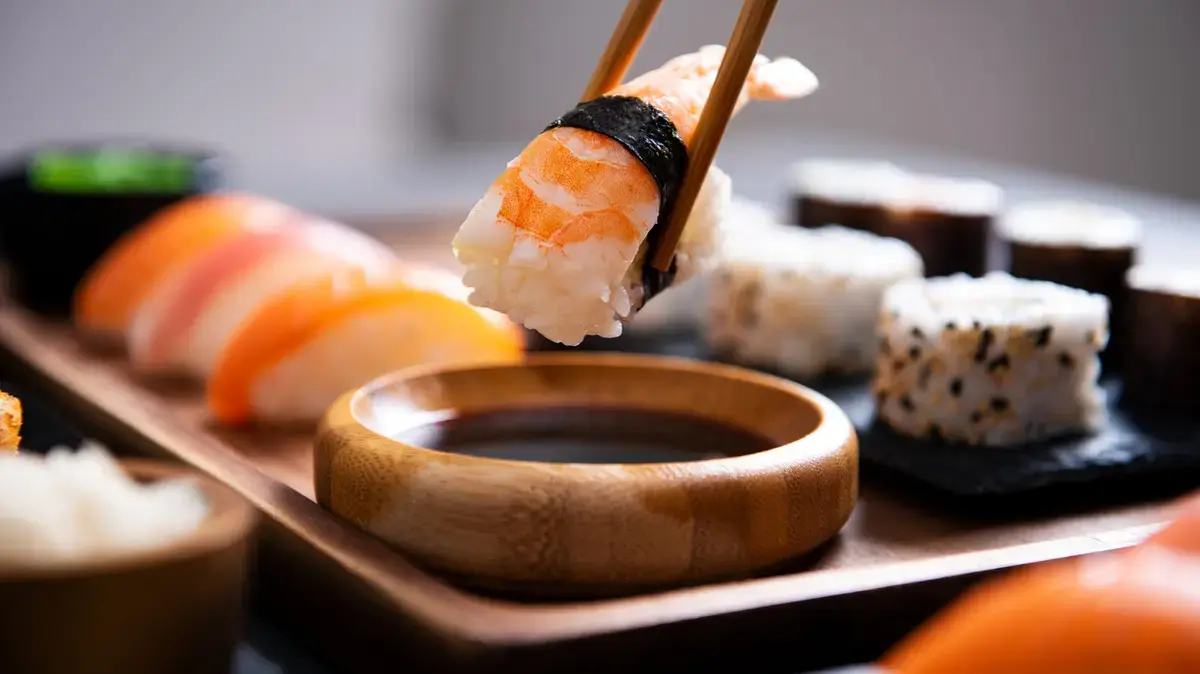
Quick Fixes: Ten Ways to Replace Soy Sauce in a Pinch
Creative Kitchen Swaps
Soy sauce, a salty‑umami staple, appears on tables worldwide. Home cooks and restaurant chefs alike sometimes discover they are out of it, especially during last‑minute prep. This guide offers ten practical alternatives that mimic its flavor profile without a trip to the store.
Latest news
 Costco's Frozen Dumpling Lineup, Ranked From Least To Most Tasty
 Best stainless-steel frying pans 2026: expert-tested picks for searing, eggs and daily cooking
 Trader Joe’s First‑Time Shopper Guide: Must‑Try Items
 Panda Express vs P.F. Chang's: Which Orange Chicken Is Healthier?
The substitutes draw from similar ingredients—fermented beans, sea salts, and aromatic acids—to recreate depth. Many are pantry staples, while others require a quick blend of common condiments. Using them can keep dishes balanced, preventing bland outcomes when soy sauce is unavailable.
Tamari, a gluten‑free cousin of soy sauce, delivers a richer, smoother taste. Chefs often favor it for stir‑fries and marinades because it lacks wheat, reducing bitterness. Coconut aminos, derived from coconut sap, offers a milder sweetness and lower sodium, making it suitable for health‑focused meals.
Worcestershire sauce, though anchored in anchovies and vinegar, supplies a tangy complexity that works well in stews and glazes. Fish sauce, a Southeast Asian staple, contributes a sharp brine and deep umami, perfect for noodle soups and dipping sauces. Liquid aminos, a soy‑based broth, mirrors soy sauce’s saltiness while remaining vegan.
Which Substitute Works Best for Different Dishes?
Miso paste, when thinned with water, creates a thick, savory liquid that pairs nicely with soups and dressings. For those without fermented products, a mixture of beef broth and a splash of balsamic vinegar can approximate the salty‑sweet balance. Finally, mushroom soy sauce, brewed from shiitake extracts, adds earthy notes ideal for vegetarian dishes.
Stir‑fries benefit most from tamari or liquid aminos, as both cling to vegetables without overwhelming them. Marinades for grilled meats often shine with Worcestershire or fish sauce, delivering depth without the graininess of soy. Soups and braises respond well to miso‑water blends, providing body and a subtle creaminess.
When sodium intake is a concern, coconut aminos or diluted broth with a hint of balsamic can lower salt while preserving flavor. Vegan cooks appreciate mushroom soy sauce for its plant‑based richness. Experimenting with these swaps helps maintain authenticity across cuisines, even when the pantry is sparse.
Frequently Asked Questions
The growing awareness of gluten intolerance and low‑sodium diets ensures these alternatives will stay in demand. Home cooks now have a toolbox of options, reducing reliance on a single condiment. As global food trends evolve, the versatility of these substitutes will likely expand, offering new flavor pairings and culinary creativity.
Can I mix multiple substitutes to mimic soy sauce more closely? Yes, combining tamari with a dash of balsamic or coconut aminos with broth can fine‑tune taste and salt levels.
Are these alternatives safe for people with soy allergies? Tamari and liquid aminos contain soy, so allergic individuals should choose coconut aminos, mushroom soy sauce, or broth‑based mixes.
Will the color of my dish change when using these swaps? Most substitutes are darker than broth alone, but lighter options like coconut aminos may produce a paler hue, which is usually acceptable.
Content written by Isabelle Fontaine for fancy-meals.com editorial team, AI-assisted.