Why Some Restaurants Have A 'No Sharing' Rule — And What It Means For Diners
How Kitchen Operations Influence Sharing Policies
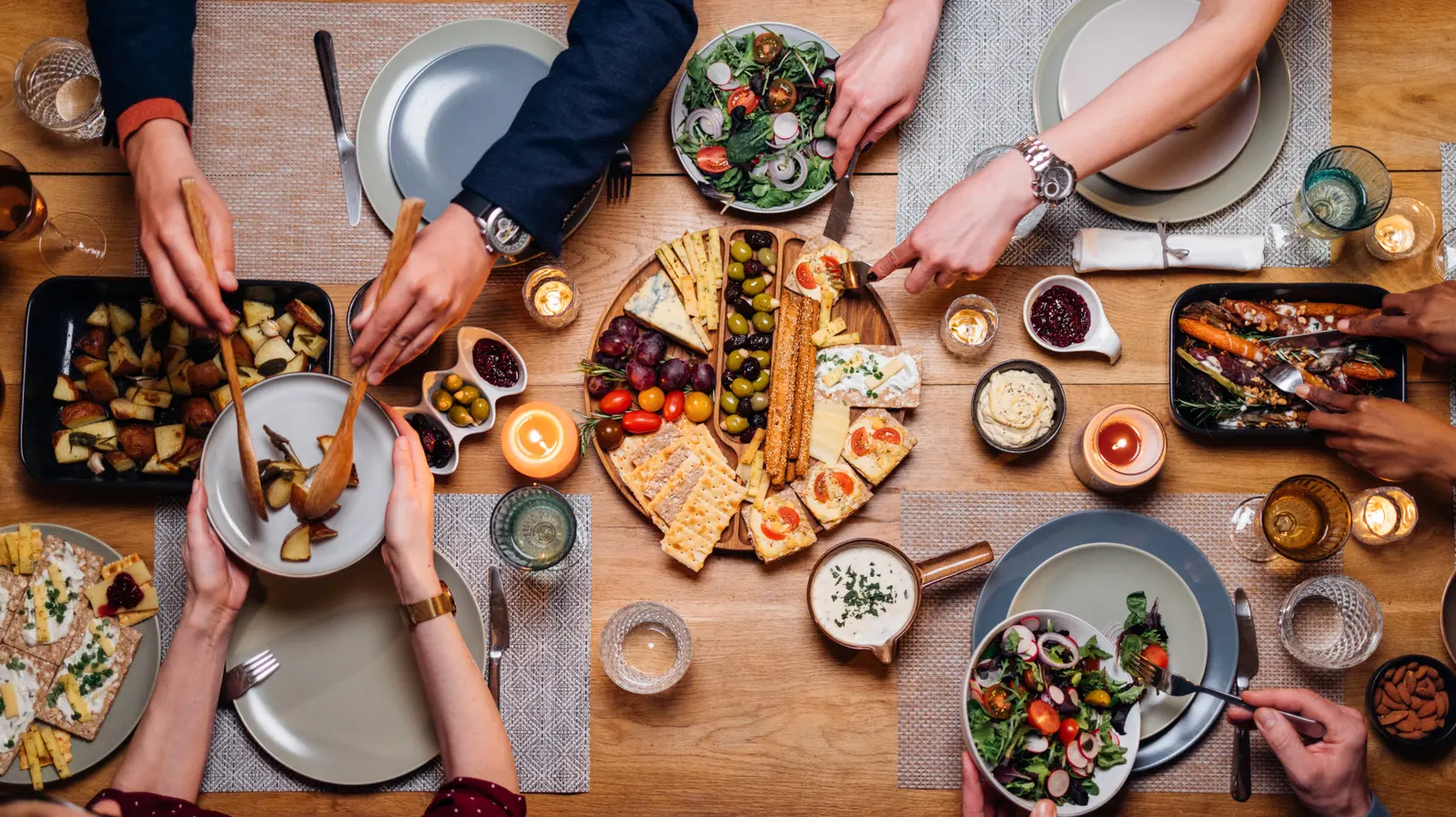
A growing number of restaurants are implementing no sharingpolicies, requiring each diner to order their own full meal rather than splitting dishes. This trend, which has emerged over the past few years, is becoming more noticeable in casual and mid-range eateries across urban areas. Diners who once shared plates to save money or sample more variety now face restrictions that change how they experience meals out.
Latest news
 Moe's Southwest Grill Menu Items Ranked from Worst to Best
 Hot Honey Brussels Sprouts: A Sweet‑Spicy Side That Turns Heads
 Turn Your Pasta Sauce Into a Nutritional Powerhouse
 West Coast IPAs vs East Coast IPAs: A Flavor Battle Across the United States
The shift stems from rising food costs, labor shortages, and efforts to maintain consistent portion control and kitchen efficiency. Restaurants argue that sharing complicates order tracking, increases waste from half-eaten dishes, and reduces per-check averages, impacting profitability. Some chefs also say it undermines the intended presentation and balance of their dishes, which are designed to be consumed as complete plates.
Behind the scenes, kitchens operate on precise timing and ingredient allocation. When diners share, it disrupts the flow—servers must split checks, manage extra plates, and handle modifications that slow service. One restaurant manager explained, We’re not trying to be difficult; we’re trying to serve everyone well without delays or mistakes. These operational pressures have led some establishments to enforce the rule strictly, even for small appetizers or side dishes.
For diners, the no-sharing rule can feel limiting, especially for couples or friends who enjoy tasting multiple dishes without overeating. It may lead to higher bills or food waste if portions are too large to finish. However, some restaurants counter this by offering smaller tasting menus or half-portion options upon request. As one patron noted, I get why they do it, but I miss the flexibility to share and try more things. Frequently Asked Questions
What Does This Mean for the Dining Experience?
Why do restaurants ban food sharing? Restaurants cite operational challenges like check-splitting delays, increased plate waste, and difficulties in maintaining food cost margins when dishes are shared.
Can I still ask for a half-portion or smaller size? Some restaurants accommodate requests for smaller portions, especially if made in advance, though policies vary by establishment and kitchen capacity.
Does this rule apply to all types of restaurants? No, it is most common in casual dining and fast-casual spots; fine dining establishments often encourage sharing through tasting menus or family-style service.
Content written by Isabelle Fontaine for fancy-meals.com editorial team, AI-assisted.