Why Japanese Ramen Restaurants Have Time Limits Are Surprising Tourists
Signs are rarely posted; instead, cues come from staff behavior
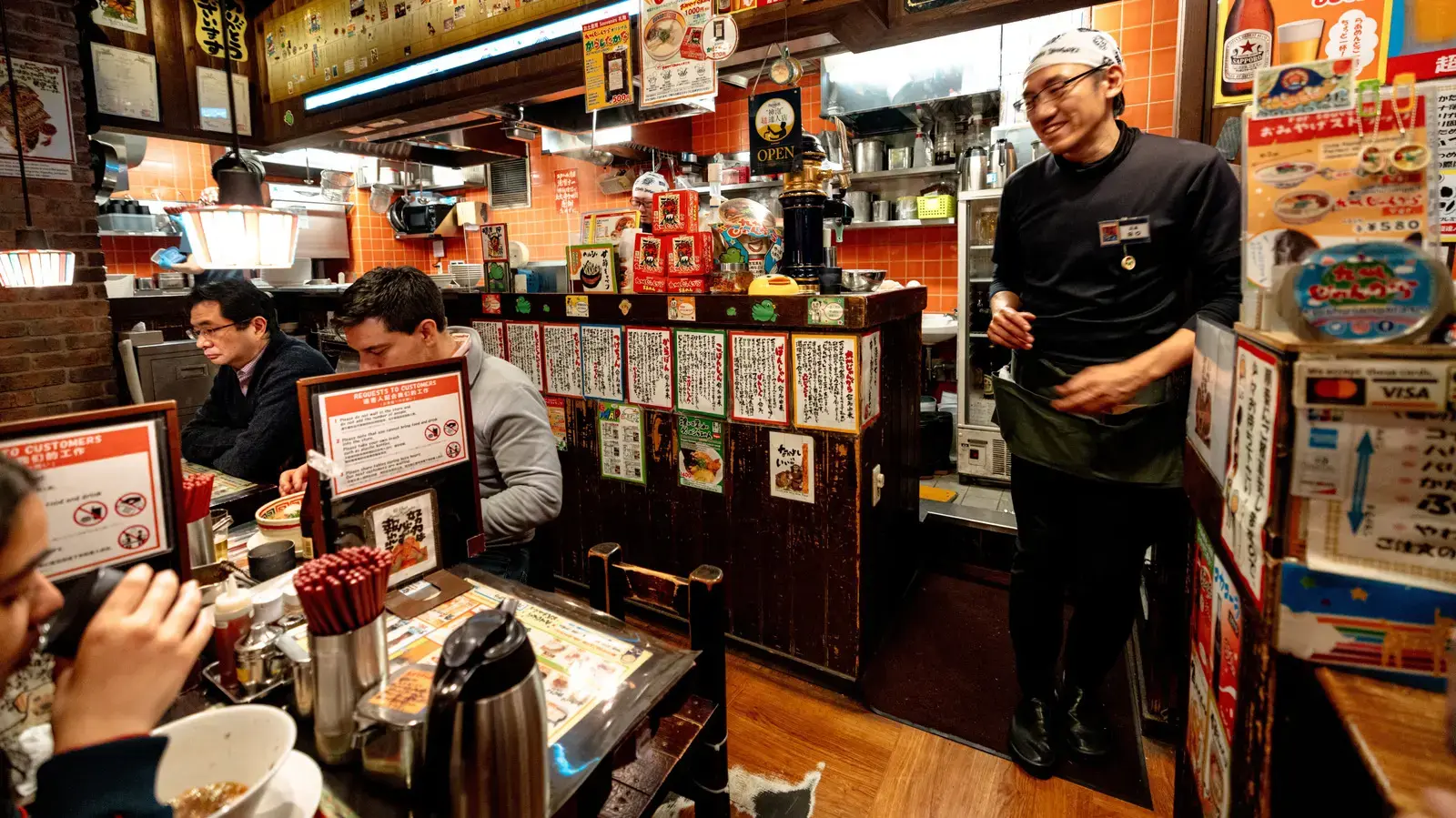
Tourists visiting Japan often encounter strict time limits at small ramen shops, where diners are expected to finish meals quickly to keep lines moving. These unspoken rules, common in bustling urban eateries, aim to maintain efficiency in spaces with limited seating and high demand. While locals understand the practice, first-time visitors may feel rushed or confused when staff subtly encourage faster eating. The custom stems from Japan’s culture of respect for shared spaces and consideration for others waiting. In tiny counters with only a handful of stools, lingering after finishing a bowl blocks access for those in line. Owners rely on quick turnover to serve dozens of customers during peak hours, especially in cities like Tokyo and Osaka.
Latest news
 Moe's Southwest Grill Menu Items Ranked from Worst to Best
 Hot Honey Brussels Sprouts: A Sweet‑Spicy Side That Turns Heads
 Turn Your Pasta Sauce Into a Nutritional Powerhouse
 West Coast IPAs vs East Coast IPAs: A Flavor Battle Across the United States
Signs are rarely posted; instead, cues come from staff behavior, such as clearing bowls promptly or offering the check soon after the last sip. How Do Shops Communicate These Expectations Without Words? Ramen chefs and servers use subtle signals to guide pacing, like refilling water glasses less frequently or beginning to clean nearby tables. Some shops place timers discreetly or play upbeat music to create a lively, fast-moving atmosphere. Tourists who miss these cues might receive gentle reminders, such as a server asking if they need anything else while already reaching for the empty bowl. The goal isn’t to rush diners rudely but to preserve the rhythm that keeps these beloved spots operational. What Should Visitors Know Before Joining the Line? Experts recommend observing locals first: note how quickly they eat, pay, and leave.
Having cash ready, knowing your order in advance
Having cash ready, knowing your order in advance, and avoiding phone use at the counter help align with the shop’s flow. While some tourists find the pace stressful, many come to appreciate the focus it brings to the meal—a chance to savor steaming noodles without distraction. Adapting to the tempo becomes part of the authentic experience, reflecting Japanese values of mindfulness and communal respect in everyday rituals. Frequently Asked Questions Are time limits posted clearly in ramen restaurants? Rarely. Most expectations are conveyed through subtle cues from staff rather than signs, requiring visitors to observe and adapt quickly. Is it rude to ask for extra time to finish my meal? Not if done politely, but shops may gently encourage completion if others are waiting; communicating needs respectfully balances courtesy with awareness of the shop’s flow. Do all ramen places enforce these timing practices?
Primarily small, counter-style shops with limited seats; larger restaurants or chains often have more flexible dining times.
Content written by Henry Cross for fancy-meals.com editorial team, AI-assisted.