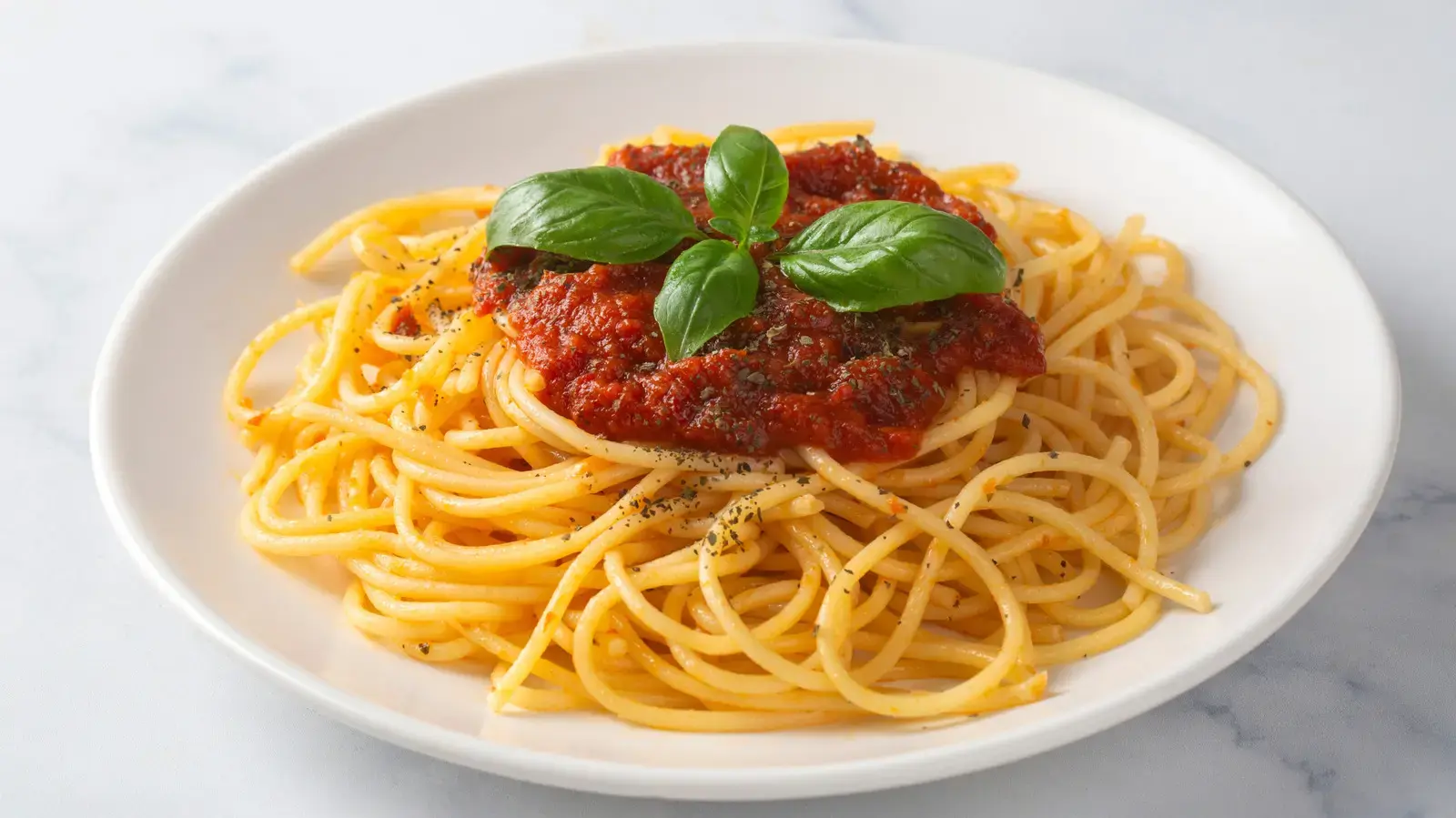
Turn Canned Soup Into Rich Pasta Sauce for Protein-Packed Weeknight Meals
Kitchen Hack That Delivers Protein and Flavor
A classic canned soup transforms into a satisfying pasta sauce that delivers serious protein without the hassle. This simple hack turns pantry staples into restaurant-quality meals in minutes, making it perfect for busy home cooks seeking nutritious, filling dinner options.
Latest news
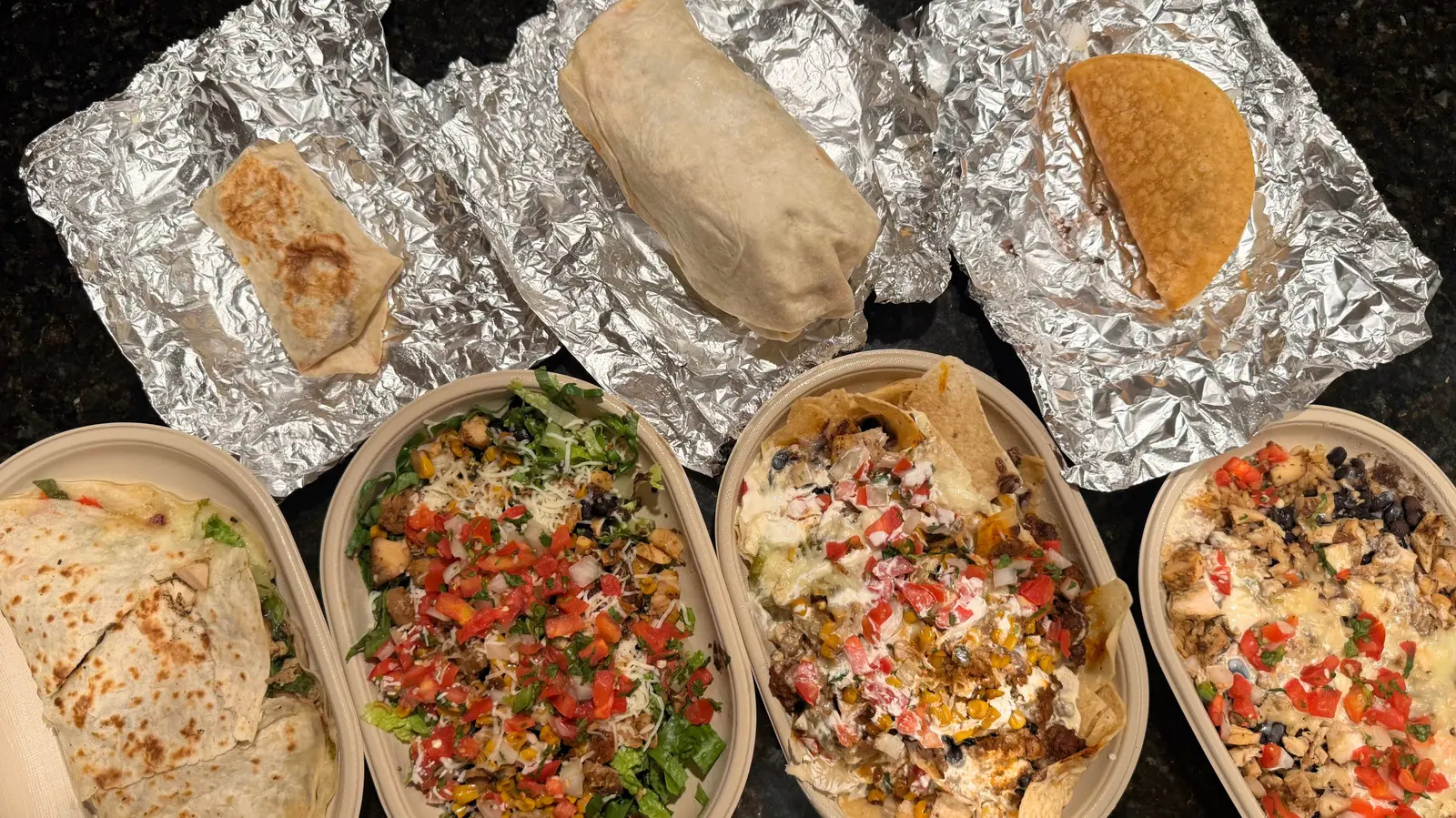 Moe's Southwest Grill Menu Items Ranked from Worst to Best
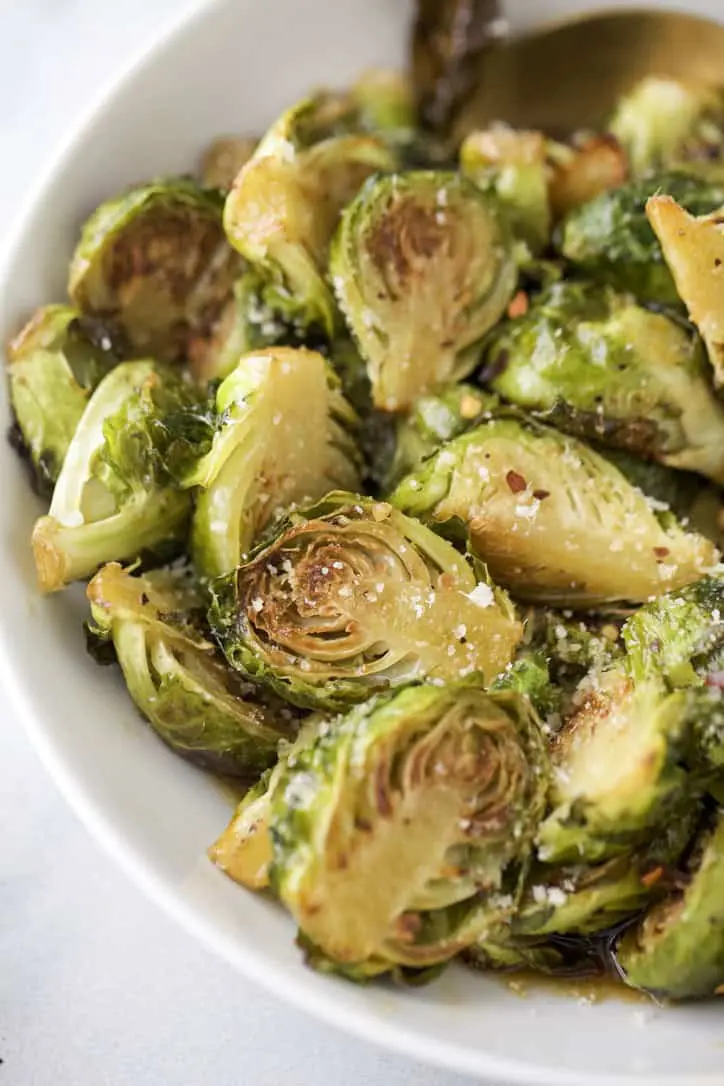 Hot Honey Brussels Sprouts: A Sweet‑Spicy Side That Turns Heads
 Turn Your Pasta Sauce Into a Nutritional Powerhouse
 West Coast IPAs vs East Coast IPAs: A Flavor Battle Across the United States
The technique works by thinning the creamy soup base with pasta water and adding it directly to your cooked noodles. The result is a velvety sauce that clings to each strand while packing thehearty, savory notes you crave. Cooks report the soup-based sauce rivals traditional marinara in flavor depth while offering 15-20 grams of protein per serving.
The process begins after boiling your pasta al dente. Reserve a cup of starchy cooking water before draining. Heat a splash of olive oil in your largest skillet, then add a can of cream of mushroom or chicken soup, thinning it with the pasta water until it reaches saucing consistency. Toss the freshly drained noodles directly into the pan, stirring until every piece is coated. The starches in the water help the sauce emulsify, creating a silky texture that feels intentional rather than improvised.
Many home cooks hesitate because they assume canned soup lacks sophistication. However, the umami-rich base provides depth that fresh tomatoes often struggle to match during off-season months. Adding grated Parmesan, fresh herbs, or a dash of red pepper flakes elevates the dish further while keeping preparation time under fifteen minutes.
The protein content in canned soup-based sauces significantly exceeds standard pasta offerings. A single serving provides nearly double the protein of typical tomato sauces, making these meals especially valuable for vegetarians or those stretching meat budgets. The thick, creamy texture also means you use less cheese while feeling equally satisfied.
Why This Works Better Than Traditional Sauces
This method isn't just convenient—it's economical. Canned soup costs pennies per serving compared to fresh ingredients required for homemade sauces. For families feeding multiple mouths, the savings compound quickly while maintaining flavor that pleases even skeptical diners.
Can you use any canned soup for this method?
Cream-based soups work best, particularly cream of mushroom, chicken, or cheese varieties. Clear broths won't thicken properly, but tomato-based soups can work with added cream.
How long does the finished pasta keep?
Frequently Asked Questions
Store leftovers in airtight containers for up to three days. Reheat gently on the stovetop with a splash of water to restore sauciness.
Can you add vegetables to soup-based pasta?
Absolutely. Frozen peas, spinach, or roasted vegetables stir in beautifully during the final minute of cooking without overcooking.
What pasta shapes work best with this sauce?
Medium shells, penne, or wide egg noodles hold creamy sauces exceptionally well. Thin pastas like spaghetti can become slippery, while sturdy shapes like rigatoni provide the best texture contrast.
Content written by [email protected] (Julia Mullaney) for fancy-meals.com editorial team, AI-assisted.