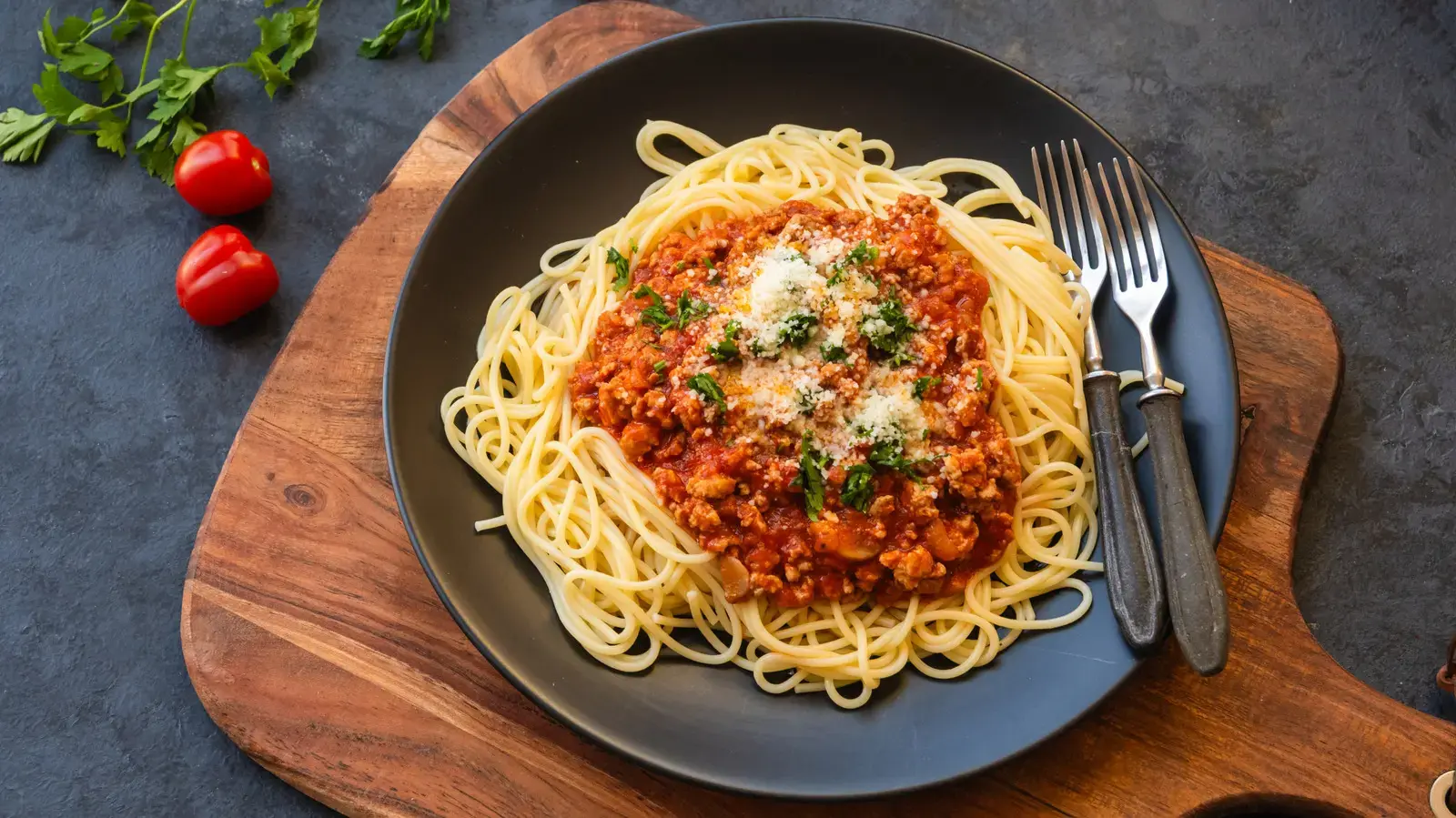
Canned Soup Turns Pasta Night Into a $2 Gourmet Experience
How the Canned Soup Works
A new trend is sweeping kitchens across the country: swapping marinara or Alfredo for a single can of soup. The idea is simple—heat a $2 canned soup, stir in cooked pasta, and you have a rich, comforting meal in minutes. The concept has attracted food bloggers, home cooks, and even some chefs who praise its convenience and affordability.
Latest news
 Moe's Southwest Grill Menu Items Ranked from Worst to Best
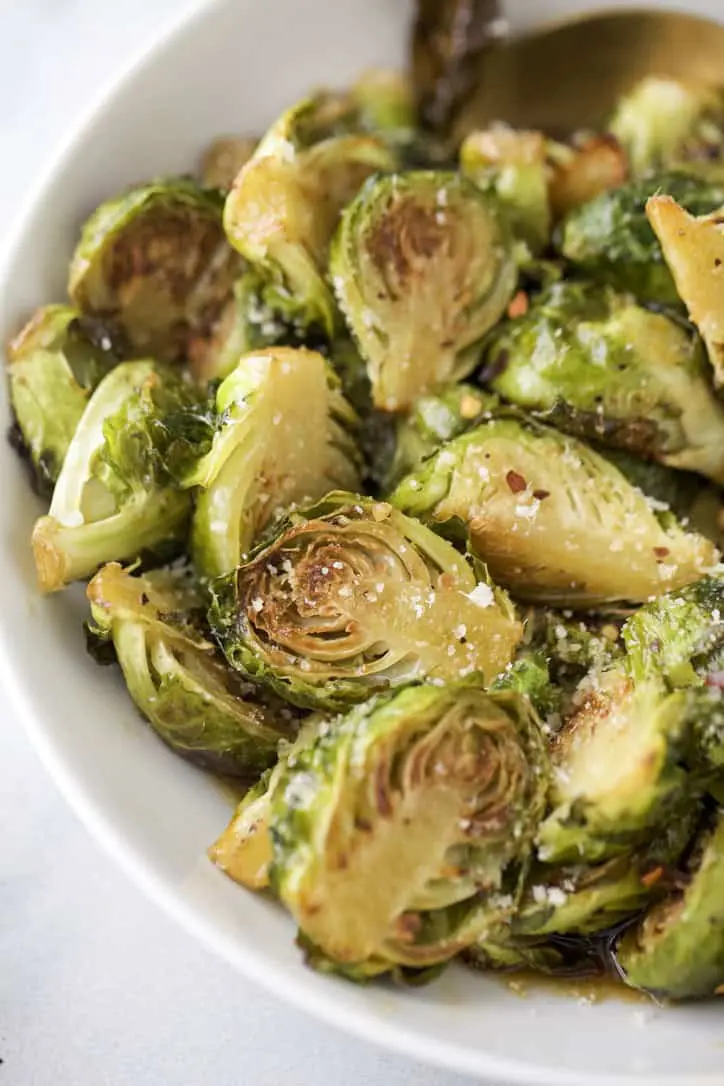 Hot Honey Brussels Sprouts: A Sweet‑Spicy Side That Turns Heads
 Turn Your Pasta Sauce Into a Nutritional Powerhouse
 West Coast IPAs vs East Coast IPAs: A Flavor Battle Across the United States
The soup in question is a tomato‑based blend that contains herbs, garlic, and a hint of cream. When combined with elbow macaroni, penne, or fusilli, it mimics the depth of a homemade sauce. The result is a velvety coating that clings to every noodle, delivering a flavor profile that feels like a culinary upgrade without the extra cost.
The secret lies in the soup’s texture and seasoning. It is thicker than most broths, so it doesn’t run off the pasta. Chefs recommend adding a splash of milk or a spoonful of butter to enhance creaminess. A pinch of red pepper flakes or fresh basil can give it a fresh kick. The soup’s natural acidity balances the starchiness of the noodles, creating a harmonious bite.
Why Switch to a $2 Can?
One home cook, Maria Lopez, shared her experience. „I was tired of the same old sauces,” she says. „A can of soup saved me time and money. The pasta tasted like it was made from scratch.” She also noted that the soup’s shelf life allows for quick meal prep on busy nights.
The cost factor is a major draw. A standard jar of marinara can cost $4 to $6, while a can of soup is typically under $2. For families on a budget, the savings add up quickly. Moreover, the soup requires no refrigeration, reducing waste and storage needs. It also eliminates the need for multiple ingredients—no need for olive oil, garlic, or tomatoes—making it an ideal solution for single‑person households or college students.
Is It Worth the Taste Trade‑Off?
Nutritionists point out that the soup contains a decent amount of protein and fiber from the vegetables inside, and the added herbs provide antioxidants. While it may not match the exact nutritional profile of a homemade sauce, it offers a balanced alternative for those who want a quick, tasty meal.
Some critics argue that canned soup can’t replicate the depth of flavor found in a slow‑cooked sauce. However, the enriched tomato base and the inclusion of herbs give it a surprisingly complex taste. The key is to let the pasta absorb the soup for a few minutes, allowing the flavors to meld. The result is a dish that satisfies the craving for comfort food without the fuss.
For those who want to experiment, adding grated Parmesan or a dollop of pesto can elevate the dish further. A squeeze of lemon juice at the end brightens the flavors, making the meal feel lighter and fresher.
Future of Canned Soups in Home Cooking
The trend signals a shift toward convenience without compromising taste. As more brands develop gourmet‑style canned soups, consumers may find even richer options. The market is already seeing an increase in artisanal soup lines that promise higher quality ingredients and complex flavor profiles.
In the long run, the canned soup may become a staple on the pantry shelf, offering a quick, reliable fallback for any pasta night. Whether you’re a busy professional or a student on a budget, this $2 solution proves that you don’t need elaborate sauces to enjoy a satisfying plate of noodles.
Frequently Asked Questions
What kind of pasta works best with the soup? Shorter shapes like penne, rigatoni, or fusilli hold the sauce better, but any pasta will work.
Can I add vegetables or protein to the dish? Yes. Sautéed spinach, mushrooms, or cooked chicken pieces enhance the meal and increase nutrition.
How long does the soup stay fresh in the pantry? Canned soups typically have a shelf life of 2–5 years when stored in a cool, dry place. Check the expiration date on the can for best results.
Content written by Henry Cross for fancy-meals.com editorial team, AI-assisted.