
The Unexpected Kitchen Hack That Turns Home‑Baked Cookies Into Bakery‑Level Treats
How the Long Chill Transforms Dough Chemistry
A new baking tip is sweeping home kitchens across the country, promising chocolate‑chip cookies with a crisp edge, a chewy center, and pockets of molten chocolate. The method, discovered by home bakers experimenting with dough temperature, was first shared on a popular cooking forum in early September 2026 and has quickly become a staple for anyone seeking professional‑grade results without leaving the house.
Latest news
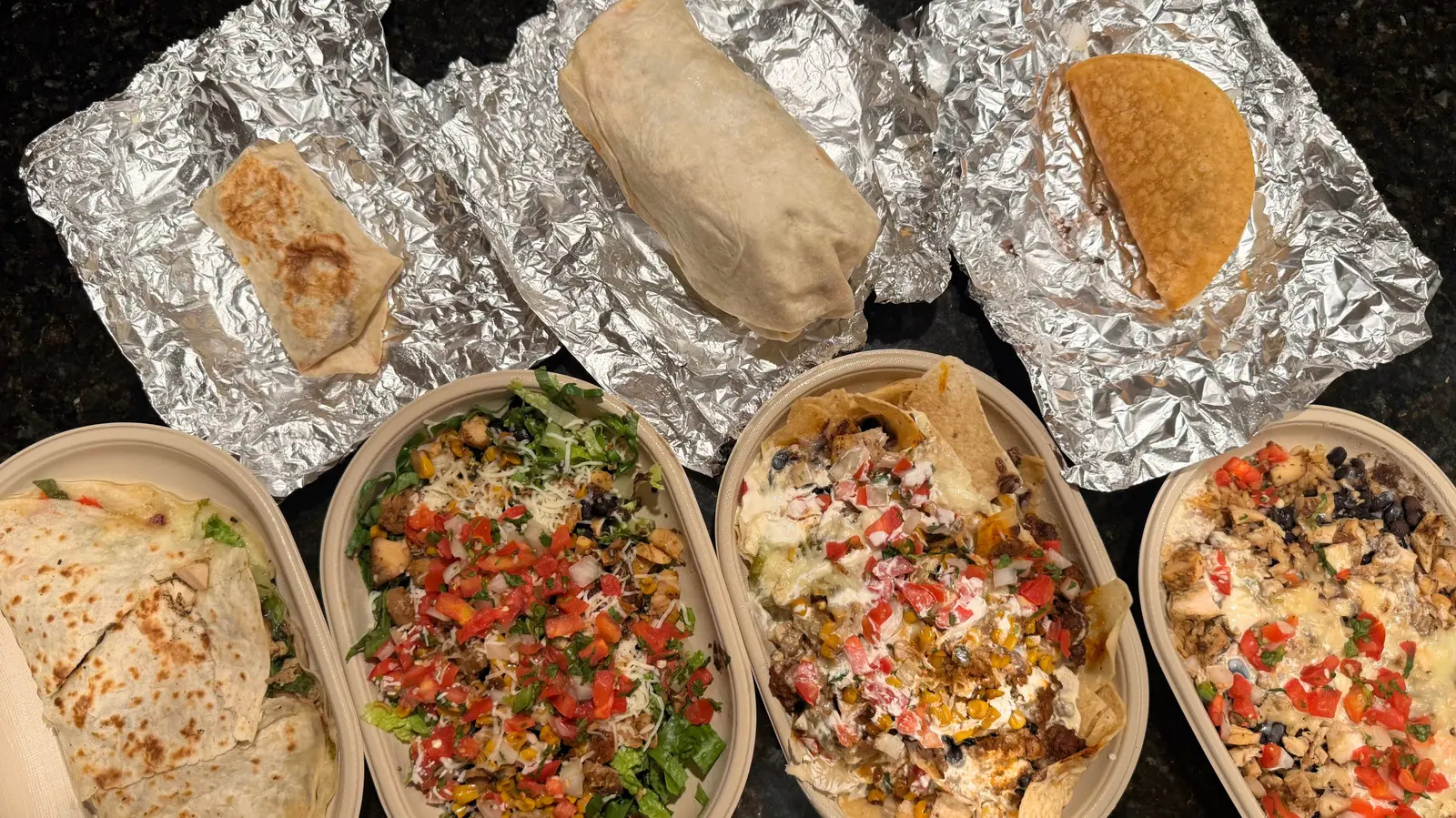 Moe's Southwest Grill Menu Items Ranked from Worst to Best
 Hot Honey Brussels Sprouts: A Sweet‑Spicy Side That Turns Heads
 Turn Your Pasta Sauce Into a Nutritional Powerhouse
 West Coast IPAs vs East Coast IPAs: A Flavor Battle Across the United States
The trick hinges on chilling the cookie dough for an unusually long period—up to 48 hours—before baking. This extended rest allows the flour to fully hydrate, the butter to solidify, and the sugars to settle, creating a structure that yields a firm crust while preserving a soft, gooey interior. Bakers also recommend using a blend of melted and solid chocolate chips, which melt into luscious rivers as the cookies bake. The result is a cookie that mirrors the texture and flavor profile of those sold in high‑end bakeries, yet can be made on a standard home oven.
When dough rests in the refrigerator, gluten strands relax, preventing excess toughness. The butter, once chilled, retains its shape longer during the initial bake, forming steam pockets that lift the cookie’s edges. Meanwhile, the sugar crystals absorb moisture, reducing spread and encouraging a crisp outer layer.
„After I tried the 48‑hour chill, the cookies were dramatically different,” says pastry enthusiast Maya Patel, who posted before‑and‑after photos on a cooking subreddit. „The edges snapped under my bite, but the middle stayed soft and the chocolate didn’t harden.”
Can You Skip the Chill and Still Get Bakery Results?
Professional bakers echo these findings. Chef Luis Ortega of a downtown bakery notes that the technique mirrors the „cold‑ferment” process used for artisan breads, where extended refrigeration improves flavor and texture. He added that the method also intensifies the chocolate’s aroma, as the longer rest allows the cocoa butter to bloom subtly.
Many wonder whether the lengthy refrigeration is essential or merely a convenience. While a short 30‑minute chill can improve spread, it does not achieve the same textural contrast. Skipping the chill altogether often leads to flat, overly crisp cookies that lack the coveted chewy core.
„Shortening the chill reduces the time for the flour to hydrate fully,” explains food scientist Dr. Elena Ruiz. „Without that hydration, the dough can’t develop the balanced crumb structure needed for that bakery feel.”
For those short on time, a compromise involves a rapid chill: placing the dough in a freezer for 20 minutes before baking. This can yield a modest improvement, but the full 48‑hour rest remains the gold standard for consistent, professional‑grade cookies.
Frequently Asked Questions
The rise of this simple yet effective technique signals a shift in home baking culture. As more people share results on social media, the line between amateur and artisan continues to blur, encouraging experimentation and elevating everyday treats. Expect to see further innovations that adapt commercial bakery practices for the home kitchen, making gourmet desserts more accessible than ever.
Why does the dough need to be chilled for so long? Extended chilling lets flour fully absorb liquid, relaxes gluten, and solidifies butter, all of which create a crisp edge and chewy interior.
Can I use any type of chocolate chips? A mix of semi‑sweet chips and chunks of high‑quality dark chocolate works best, as the variety melts into both pockets of gooeyness and firm bits.
Will this method work on a convection oven? Yes, but reduce the bake time by about a minute and keep the temperature the same to avoid over‑browning the edges.
Content written by Isabelle Fontaine for fancy-meals.com editorial team, AI-assisted.