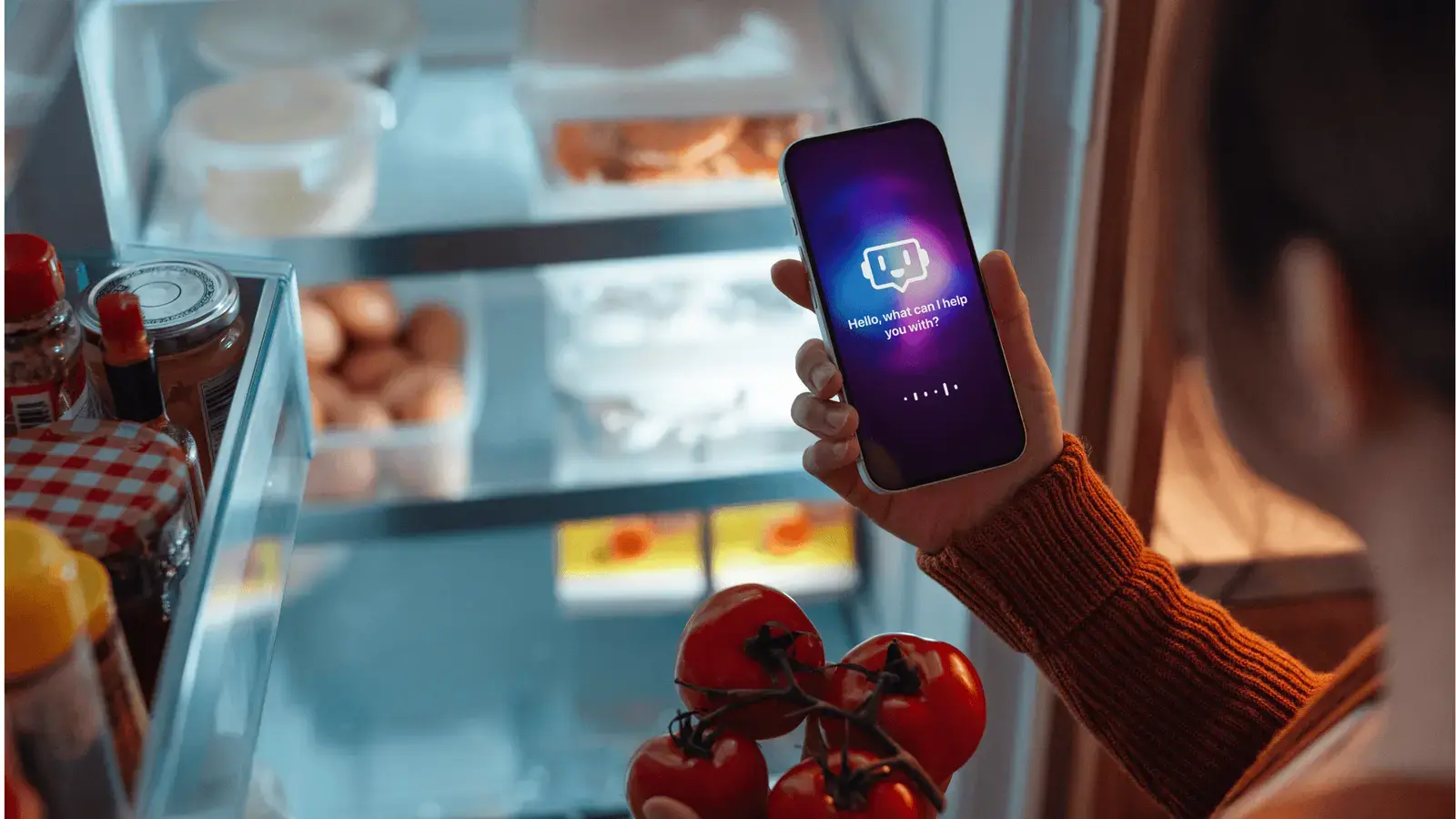
Kitchen gadgets that think for themselves are reshaping home cooking by 2027
Appliances That Remember Your Every Preference
Smart appliances that learn personal tastes and monitor meals remotely are rolling into kitchens worldwide, promising convenience but raising questions about whether technology dilutes the joy of cooking from scratch.
Latest news
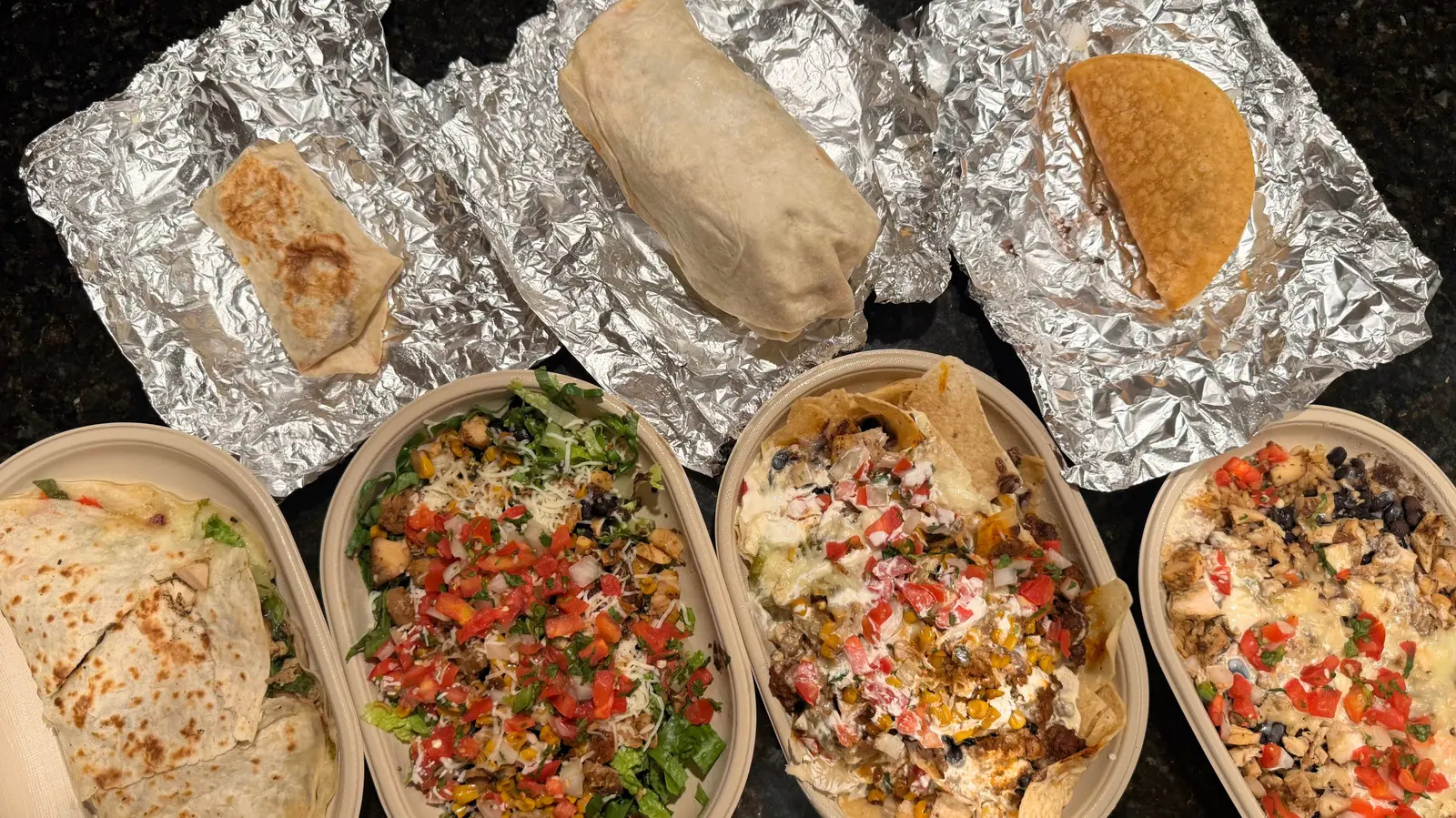 Moe's Southwest Grill Menu Items Ranked from Worst to Best
 Hot Honey Brussels Sprouts: A Sweet‑Spicy Side That Turns Heads
 Turn Your Pasta Sauce Into a Nutritional Powerhouse
 West Coast IPAs vs East Coast IPAs: A Flavor Battle Across the United States
From coffee makers that recall your preferred strength to ovens equipped with internal cameras, manufacturers are embedding sensors, apps and artificial intelligence into everyday tools. These devices aim to reduce guesswork and cut cooking time, appealing to busy households seeking restaurant-quality results without the effort.
Connected refrigerators now track expiry dates and suggest recipes based on leftover ingredients, while smart scales guide portion sizes through companion apps. Proponents argue these innovations free people to focus on creativity rather than routine tasks, turning meal preparation into a streamlined experience.
Ovens with built-in cameras let users check roast progress via smartphone, eliminating the need to open doors and lose heat. Precision cookers maintain exact temperatures for sous-vide style results previously reserved for professional kitchens. Early adopters report higher satisfaction with consistent outcomes, though some miss the tactile intuition developed through years of hands-on practice.
Do We Lose Something Essential?
Critics worry that over-reliance on automated guidance may erode fundamental cooking skills passed down through generations. When machines dictate timing and technique, younger cooks might skip learning how to judge doneness by sight, smell or touch. This shift could diminish the sensory connection that makes cooking therapeutic and deeply personal.
Nutritionists also caution against potential data privacy risks as appliances collect detailed dietary habits. However, advocates counter that smart kitchens can promote healthier choices by flagging nutritional content and encouraging balanced ingredient selection.
The future likely holds hybrid approaches where technology assists without replacing human judgment. Manufacturers are already testing models that offer optional automation, letting users override suggestions and retain control over their culinary journey.
Will smart kitchens make traditional cooking obsolete?
Not entirely. While automation handles repetitive tasks, many chefs emphasize that understanding basic techniques remains crucial for adapting recipes and troubleshooting unexpected results.
Frequently Asked Questions
Are smart appliances safe regarding data privacy?
Most reputable brands encrypt user data and allow opting out of cloud-based features, though consumers should review privacy policies before connecting devices to home networks.
Can these gadgets actually improve meal quality?
Many users report more consistent results, especially with temperature-sensitive methods like baking and fermentation, thanks to precise monitoring and real-time feedback capabilities.
Content written by Lucas Carter for fancy-meals.com editorial team, AI-assisted.