
The Humble Sandwich: A Lifeline During the Great Depression
The Economics of the Lunchbox
During the economic collapse of the 1930s, the sandwich emerged as a vital dietary staple for struggling American families. As poverty spread across the nation, this simple combination of bread and basic fillings provided an affordable, portable, and reliable way to stave off hunger during one of history's darkest chapters.
Latest news
 Costco's Frozen Dumpling Lineup, Ranked From Least To Most Tasty
 Best stainless-steel frying pans 2026: expert-tested picks for searing, eggs and daily cooking
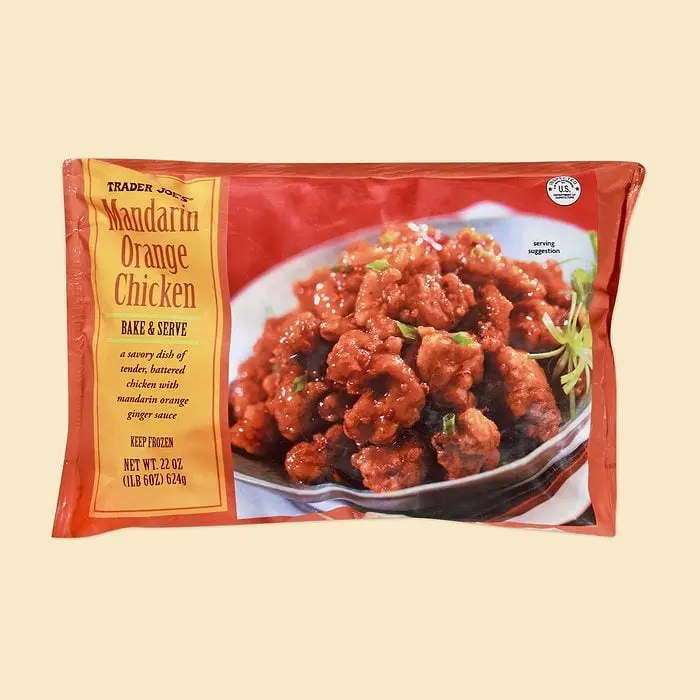 Trader Joe’s First‑Time Shopper Guide: Must‑Try Items
 Panda Express vs P.F. Chang's: Which Orange Chicken Is Healthier?
The sandwich gained prominence because it maximized limited food supplies. By layering small amounts of protein, fat, or vegetables between two slices of bread, households could stretch meager rations into a filling meal. It required minimal fuel to prepare, which was a critical advantage when money for electricity or coal was scarce.
Bread served as the foundation of the Depression-era diet. It was inexpensive and provided the necessary calories for laborers and children alike. Families often relied on whatever ingredients were available, ranging from simple lard spreads to thinly sliced garden produce. This adaptability made the sandwich a universal solution for those facing severe financial constraints.
Was the Sandwich a Symbol of Resilience?
The meal was not merely about convenience; it was a survival strategy. Because sandwiches were easy to assemble and transport, they became the standard lunch for workers and students. This efficiency allowed families to focus their limited resources on other essential needs, ensuring that at least one meal a day remained consistent despite the volatile economy.
The sandwich represented more than just sustenance during the 1930s. It became a symbol of the American spirit to endure hardship with ingenuity. By turning basic pantry staples into a dependable meal, citizens maintained a sense of normalcy. This reliance on simple, accessible food helped communities navigate the widespread scarcity that defined the era.
The legacy of these Depression-era meals continues to influence modern eating habits. The sandwich remains a cornerstone of the American diet, valued for its practicality and versatility. While the economic conditions have shifted, the fundamental role of the sandwich as an efficient, low-cost meal remains unchanged in households across the country.
Frequently Asked Questions
Why was the sandwich so essential during the 1930s? It was an affordable way to combine limited ingredients into a filling meal. The sandwich required very little fuel to prepare and was easy to transport for workers.
What ingredients were commonly used in these meals? Families typically used bread as a base and added whatever was available. Common fillings included lard, basic fats, or whatever small portions of protein and produce they could secure.
Did the sandwich help families save money? Yes, it allowed households to stretch their grocery budgets further. By using bread to bulk up small amounts of food, families could ensure everyone had something to eat despite extreme poverty.
Content written by Lucas Carter for fancy-meals.com editorial team, AI-assisted.