
Depression-Era Sandwiches Featured an Unexpected Spread
The Rise of Lard as a Staple
During the Great Depression, families faced extreme hardship. Food was scarce and expensive. People became incredibly resourceful to feed themselves. This led to some unusual culinary innovations.
Latest news
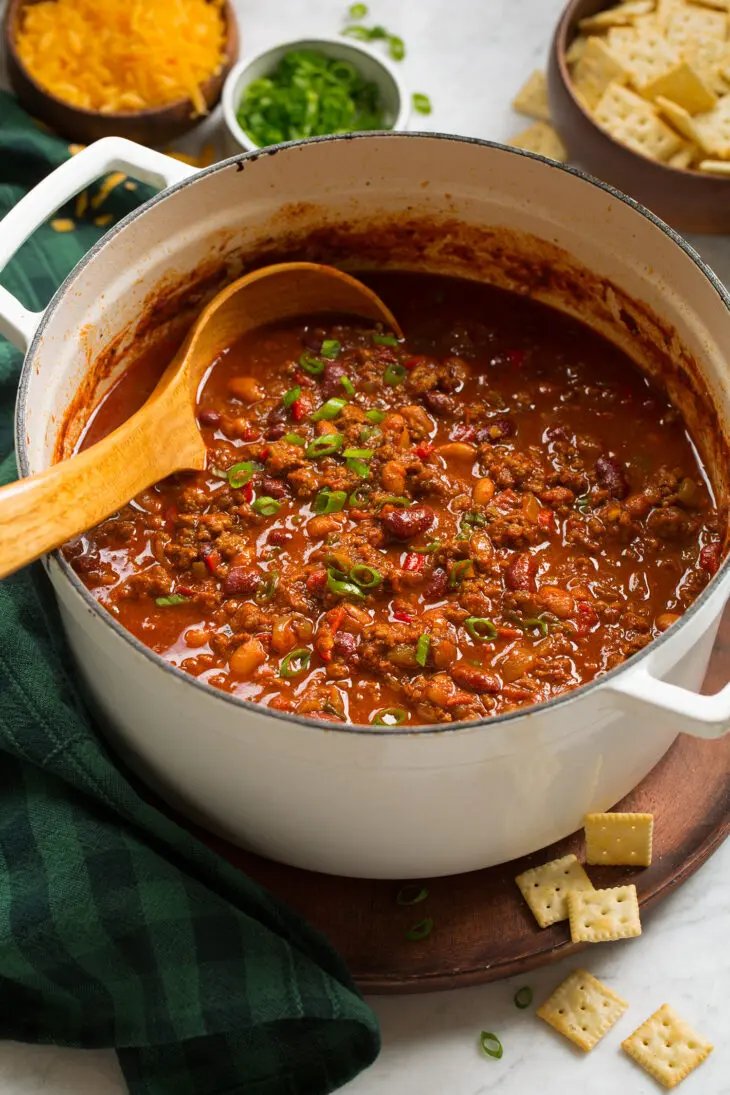 The Ultimate Homemade Chili Recipe for Cold Weather
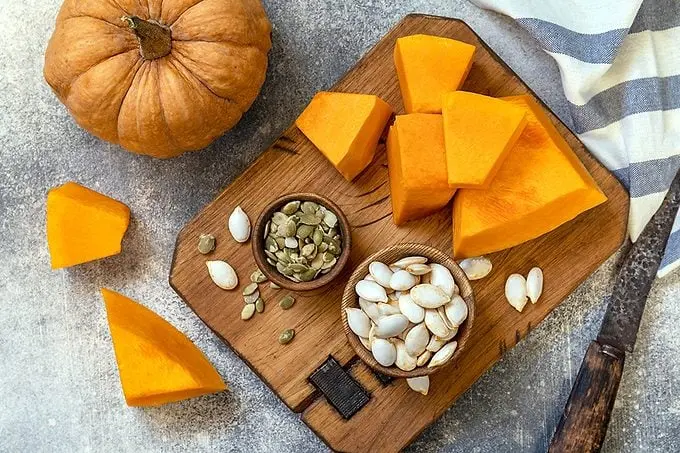 The Nutritional Power of Pumpkin Beyond Seasonal Desserts
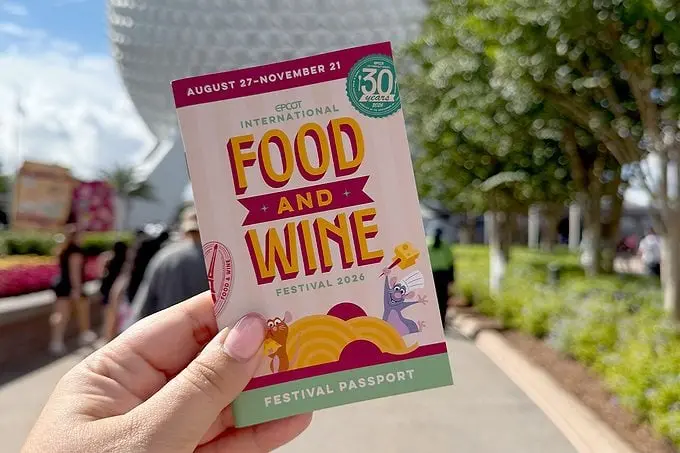 A Culinary Journey Through the 30th Epcot International Food and Wine Festival
 Burger King Unleashes Hello Kitty Kids' Meal with Ultra-Rare Golden Collectible
One common solution for sandwiches was a surprising ingredient: lard. This animal fat offered a cheap and filling alternative to butter. It provided much-needed calories and a salty flavor.
How Did Lard Sandwiches Become Popular?
Lard was readily available and inexpensive. It was often a byproduct of butchering hogs. This made it an accessible food item for many struggling households. Its high-fat content also meant it was very energy-dense. A small amount could make a simple sandwich feel more substantial. It helped people feel full longer.
The primary driver was economic necessity. Butter was a luxury many could not afford. Lard, on the other hand, was a budget-friendly option. It could be spread directly onto bread. Sometimes, it was mixed with salt or other seasonings for added taste. This simple meal provided essential sustenance during dire times. It represented a practical adaptation to widespread poverty.
The use of lard in sandwiches highlights the ingenuity of people during the Depression. They made the most of whatever resources they had. This period fostered a culture of frugality and resourcefulness. These lessons often carried over into later generations.
Frequently Asked Questions
What was the main reason people used lard in sandwiches? The main reason was economic necessity. Lard was a much cheaper and more readily available alternative to butter during the Great Depression.
What benefits did lard offer as a sandwich spread? Lard offered high caloric content, making sandwiches more filling. It also provided a salty taste and was an inexpensive source of energy for those facing food scarcity.
Content written by Lucas Carter for fancy-meals.com editorial team, AI-assisted.