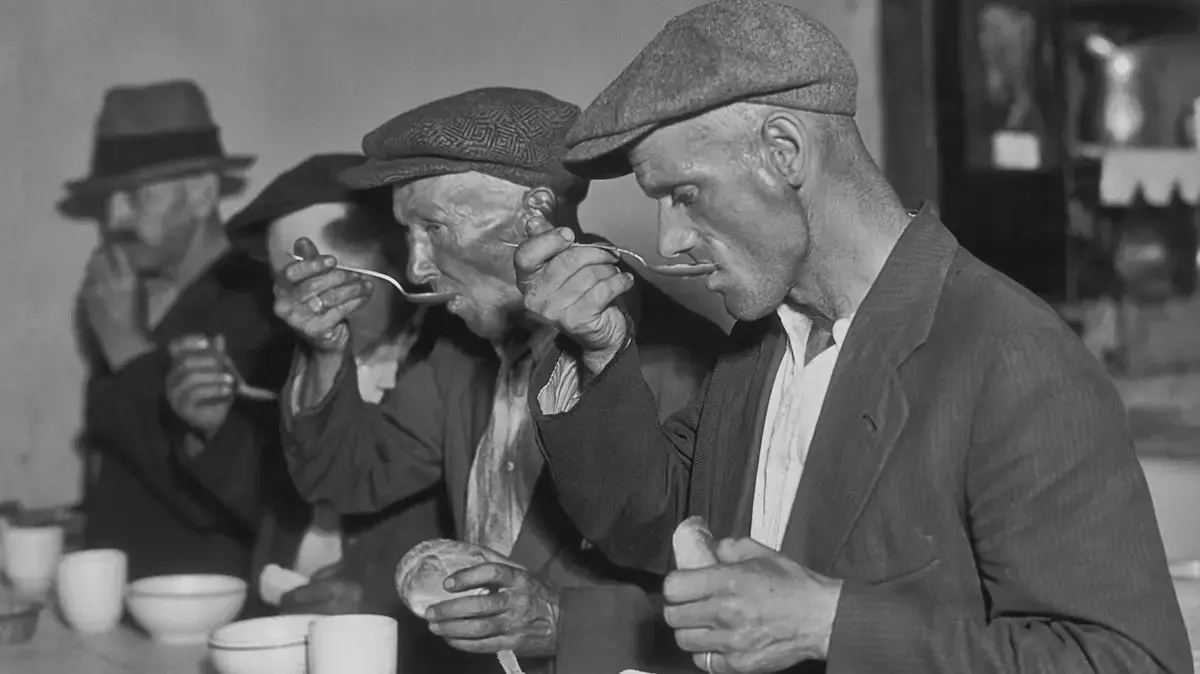
Meals During the Great Depression
Scrambling for Ingredients
The Great Depression, spanning from 1929 to 1939, was a period of immense financial strain for millions of people worldwide. Banks failed, stocks crashed, and businesses shut down. This economic downturn significantly impacted people's daily lives, including their eating habits.
Latest news
 The Ultimate Homemade Chili Recipe for Cold Weather
 The Nutritional Power of Pumpkin Beyond Seasonal Desserts
 A Culinary Journey Through the 30th Epcot International Food and Wine Festival
 Burger King Unleashes Hello Kitty Kids' Meal with Ultra-Rare Golden Collectible
During this time, people struggled to access basic necessities, including food. The economic hardship forced individuals and families to be creative with limited ingredients, making do with what they had. Meals became simple and often bland, with a focus on stretching available resources.
How Did People Survive on Such Limited Diets?
Families relied heavily on staple ingredients like beans, potatoes, and cornmeal to make meals. Breakfasts often consisted of porridge or bread with coffee or tea. Lunches were typically simple, with soup or sandwiches being common. Dinners were more substantial, with meals like bean soup, boiled potatoes, or vegetable stew.
People also made use of alternative ingredients, such as wild greens and herbs, to supplement their diets. Some families even resorted to eating dandelion greens, wild berries, and other foraged foods to add some variety to their meals. The lack of access to fresh meat and dairy products meant that meals were often vegetarian or vegan by default.
Despite the challenges, people found ways to survive and even thrive on limited diets. Many families developed resourceful cooking techniques, such as making soup from scraps or using every part of an animal. Community support also played a crucial role, with neighbors and family members often sharing what little food they had.
Frequently Asked Questions
The Great Depression had a lasting impact on the way people thought about food and cooking. The resourcefulness and creativity that defined meals during this period continue to influence cooking today. As the economy recovered, people's eating habits slowly returned to normal, but the lessons learned during this time remained.
What did people typically eat for breakfast during the Great Depression? People often ate porridge or bread with coffee or tea for breakfast. How did people supplement their diets during the Great Depression? They foraged for wild greens, herbs, and berries to add variety to their meals. What cooking techniques did people develop during the Great Depression? They made soup from scraps and used every part of an animal to minimize waste.
Content written by Lucas Carter for fancy-meals.com editorial team, AI-assisted.