The Hidden Trade-offs of Costco’s Famous Rotisserie Chicken
Nutritional and Additive Concerns
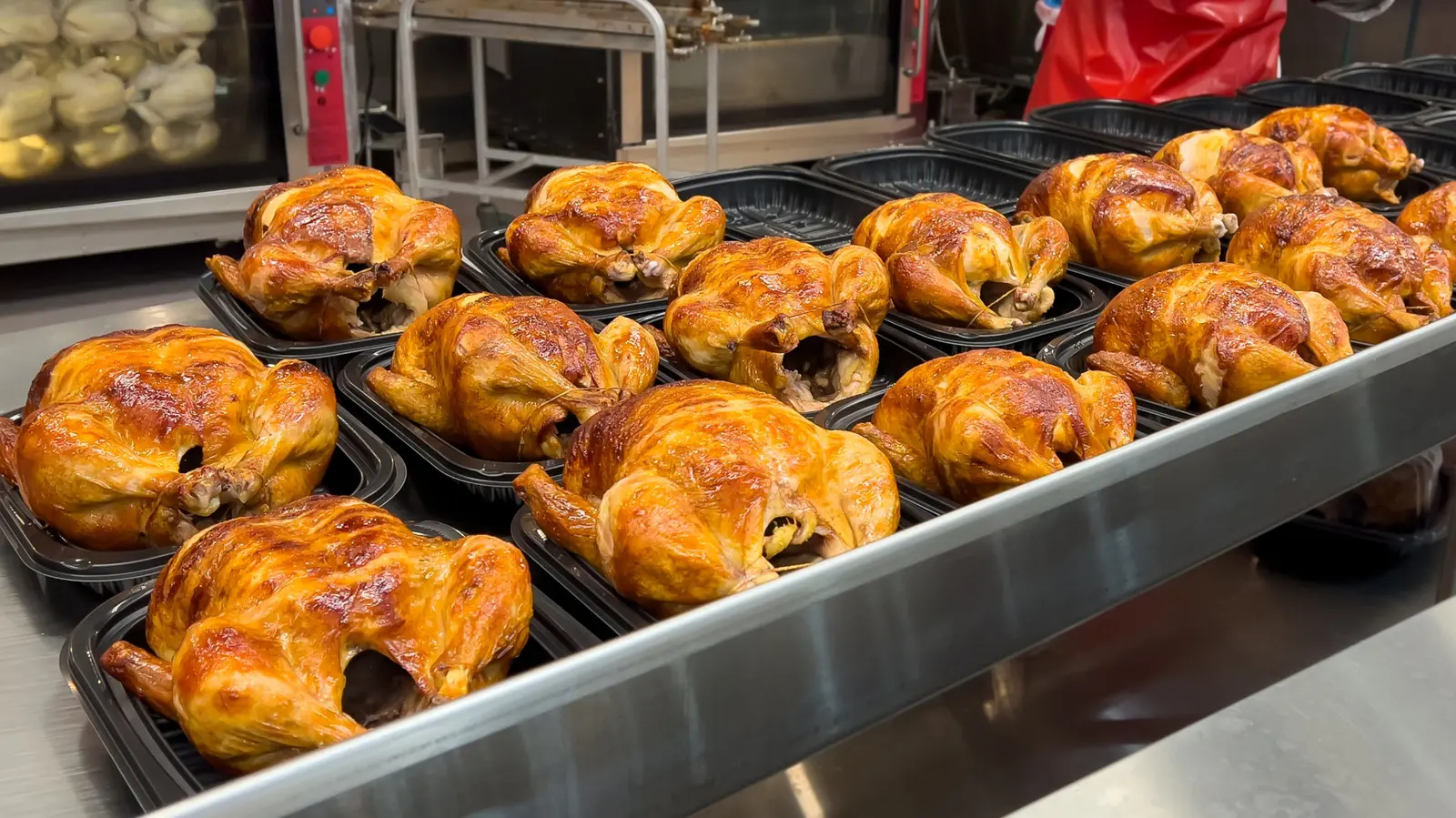
Costco’s Kirkland Signature rotisserie chicken is a staple for many shoppers looking to save time and money on weeknight dinners. While these pre-cooked birds are undeniably convenient and affordable, they come with several drawbacks that frequent buyers should consider. Understanding these limitations helps consumers make more informed choices during their bulk grocery trips.
Latest news
 The Ultimate Homemade Chili Recipe for Cold Weather
 The Nutritional Power of Pumpkin Beyond Seasonal Desserts
 A Culinary Journey Through the 30th Epcot International Food and Wine Festival
 Burger King Unleashes Hello Kitty Kids' Meal with Ultra-Rare Golden Collectible
The primary concern for many health-conscious shoppers is the high sodium content found in these birds. To maintain flavor and moisture during the long roasting process, the chickens are injected with a saline solution. This additive significantly increases the salt levels, which may not align with the dietary requirements of those monitoring their blood pressure or overall sodium intake.
Beyond the salt levels, the processing methods used to mass-produce these chickens often involve additives that some home cooks prefer to avoid. These ingredients help the meat stay tender under heat lamps for extended periods, but they move the product further away from a simple, whole-food meal. Shoppers looking for clean labels might find the ingredient list unexpectedly long for a basic roasted chicken.
Are You Sacrificing Quality for Convenience?
Furthermore, the texture of the meat can be inconsistent due to the rapid, high-volume cooking process. Because the chickens are prepared in massive batches, the meat can sometimes become overly soft or mushy. This texture often lacks the firm, succulent quality found in chickens roasted slowly in a traditional home oven.
Logistical issues also plague the shopping experience. The rotisserie section is frequently crowded, leading to long wait times and frustration during peak hours. Additionally, the packaging can be problematic. The thin plastic containers often leak juices into shopping carts or bags, creating a messy cleanup process that many customers find inconvenient after a long day of bulk shopping.
Finally, the lack of variety remains a consistent issue for regular buyers. While the price is attractive, the flavor profile is identical every time. Relying on these chickens for weekly meals can quickly lead to menu fatigue. For families seeking diverse culinary experiences, the repetitive taste of the standard seasoned bird may eventually outweigh the initial financial savings.
Frequently Asked Questions
Are these chickens considered a healthy meal option? They offer a convenient source of protein but contain high levels of sodium due to saline injections. Individuals on low-salt diets should consume them in moderation.
Why does the meat sometimes feel mushy? The mass-production cooking process and the use of additives to retain moisture can alter the natural texture of the meat. This often results in a softer consistency than home-roasted poultry.
Is the packaging prone to leaking? Yes, the plastic clamshell containers are notorious for leaking juices during transport. It is advisable to place the bird in an additional bag to prevent messes in your vehicle or kitchen.
Content written by Tasting Table for fancy-meals.com editorial team, AI-assisted.