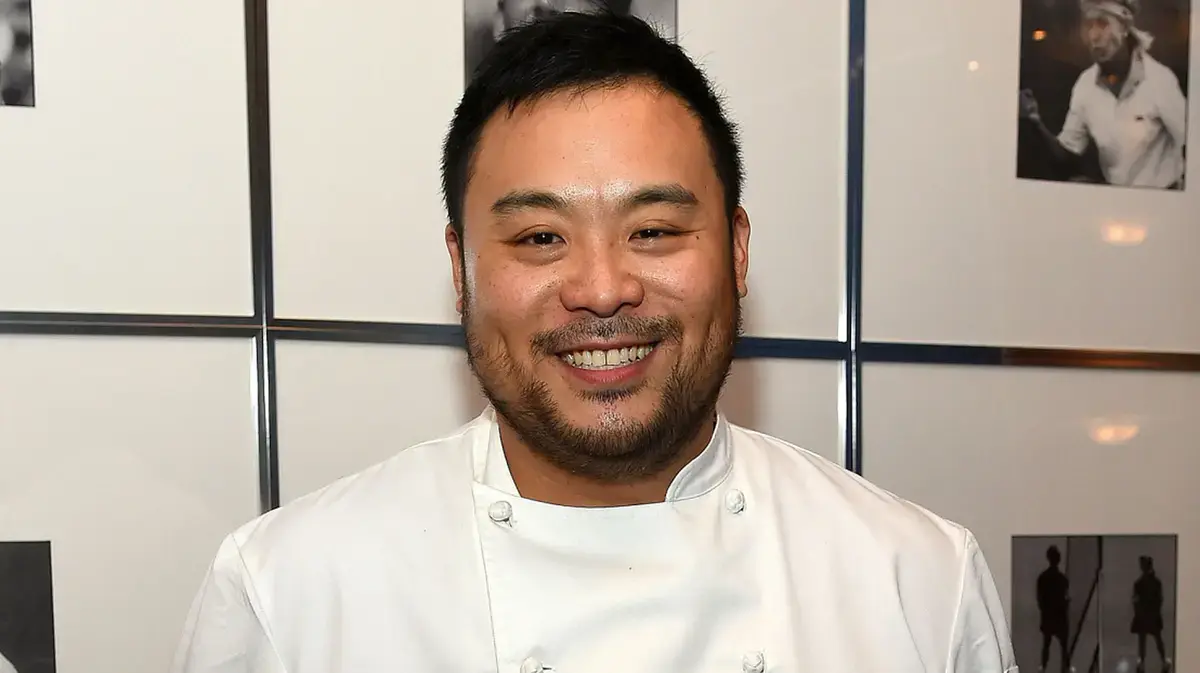
David Chang Spurns Costco's Rotisserie Chicken
The Quality Conundrum
Celebrity chef David Chang is known for his culinary expertise. He's particular about the food he eats, including chicken. Chang avoids buying Costco's Kirkland rotisserie chicken.
Latest news
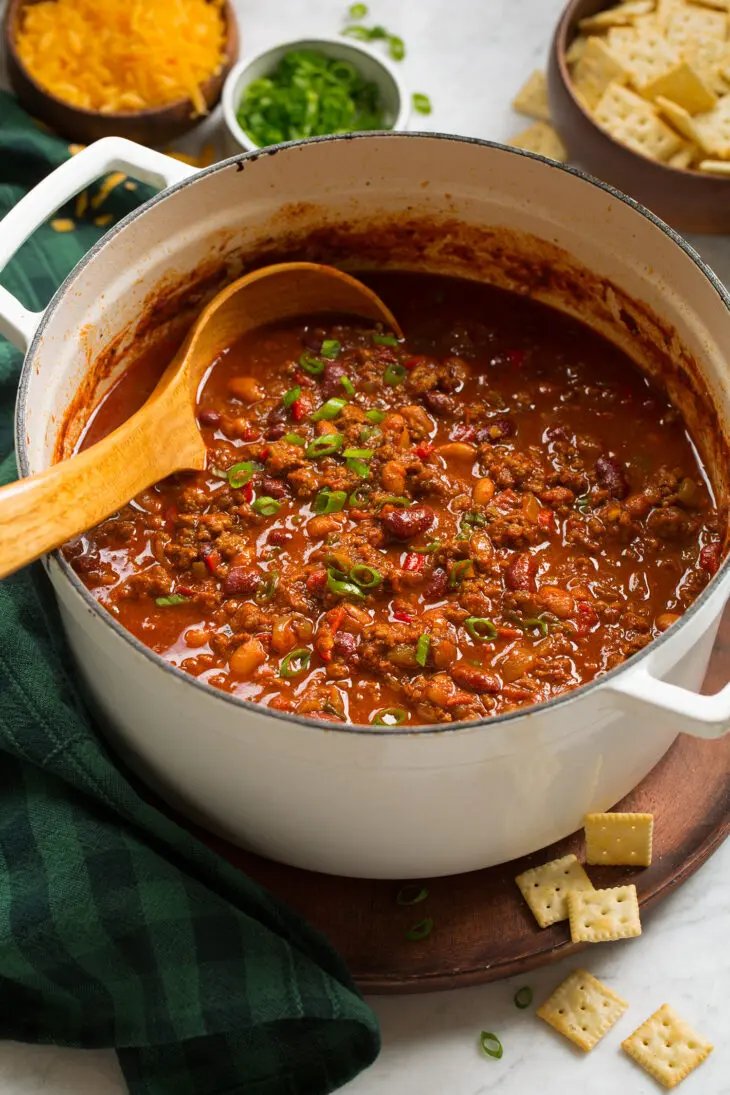 The Ultimate Homemade Chili Recipe for Cold Weather
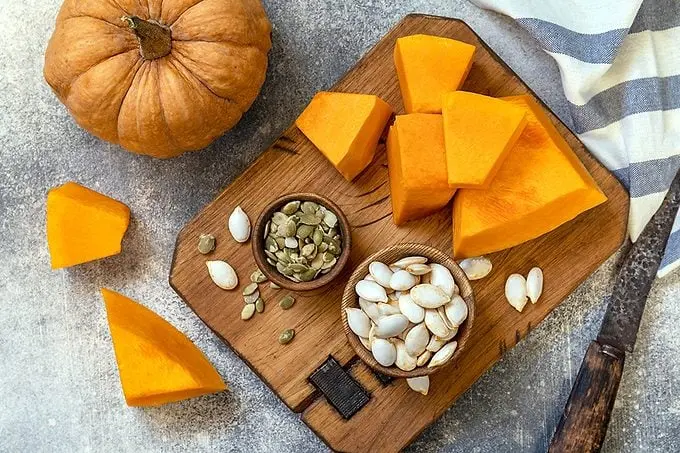 The Nutritional Power of Pumpkin Beyond Seasonal Desserts
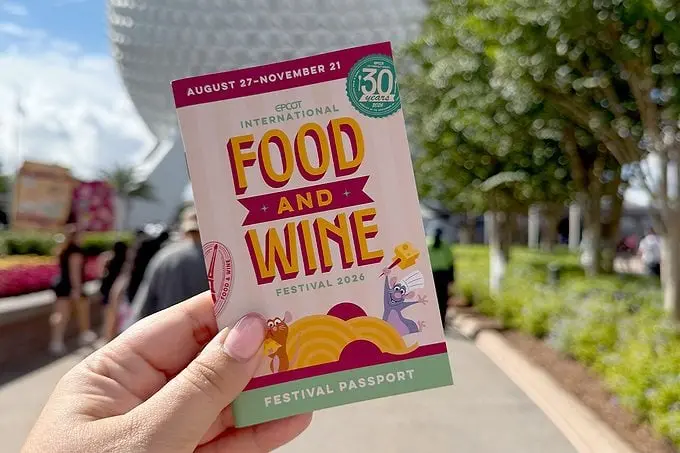 A Culinary Journey Through the 30th Epcot International Food and Wine Festival
 Burger King Unleashes Hello Kitty Kids' Meal with Ultra-Rare Golden Collectible
Chang believes not all chickens are created equal. He thinks the quality of the chicken is crucial. Grocery store rotisserie chickens may be convenient, but Chang is picky.
Chang's aversion to Costco's rotisserie chicken stems from his emphasis on using high-quality ingredients. He sources his chicken from local farms that prioritize animal welfare. Chang's restaurants serve dishes made with carefully selected produce and meats.
Is Mass-Produced Chicken the Culinary Enemy?
Chang's culinary empire, Momofuku, is built on a foundation of using the best ingredients. His chefs work with local farmers to source fresh produce. The quality of the chicken is essential to Chang's cooking style.
Mass-produced chickens, like those found in rotisserie chickens, may be raised in less-than-ideal conditions. Chang's preference for locally sourced chicken reflects his commitment to quality. This approach may become more popular as consumers become more discerning.
As consumers increasingly demand higher-quality food, restaurants and grocery stores may need to adapt. Chang's stance on chicken quality could influence the way food is produced and consumed.
Frequently Asked Questions
What is David Chang's main concern with Costco's rotisserie chicken? Chang is concerned about the quality of the chicken. He prioritizes sourcing chicken from local farms with high animal welfare standards.
Why does Chang source chicken from local farms? Chang sources chicken from local farms to ensure high-quality ingredients. This approach allows him to control the quality of the chicken served in his restaurants.
What is the potential impact of Chang's stance on the food industry? Chang's emphasis on quality could lead to changes in how food is produced and consumed. Restaurants and grocery stores may need to adapt to meet consumer demands for higher-quality ingredients.
Content written by Lucas Carter for fancy-meals.com editorial team, AI-assisted.