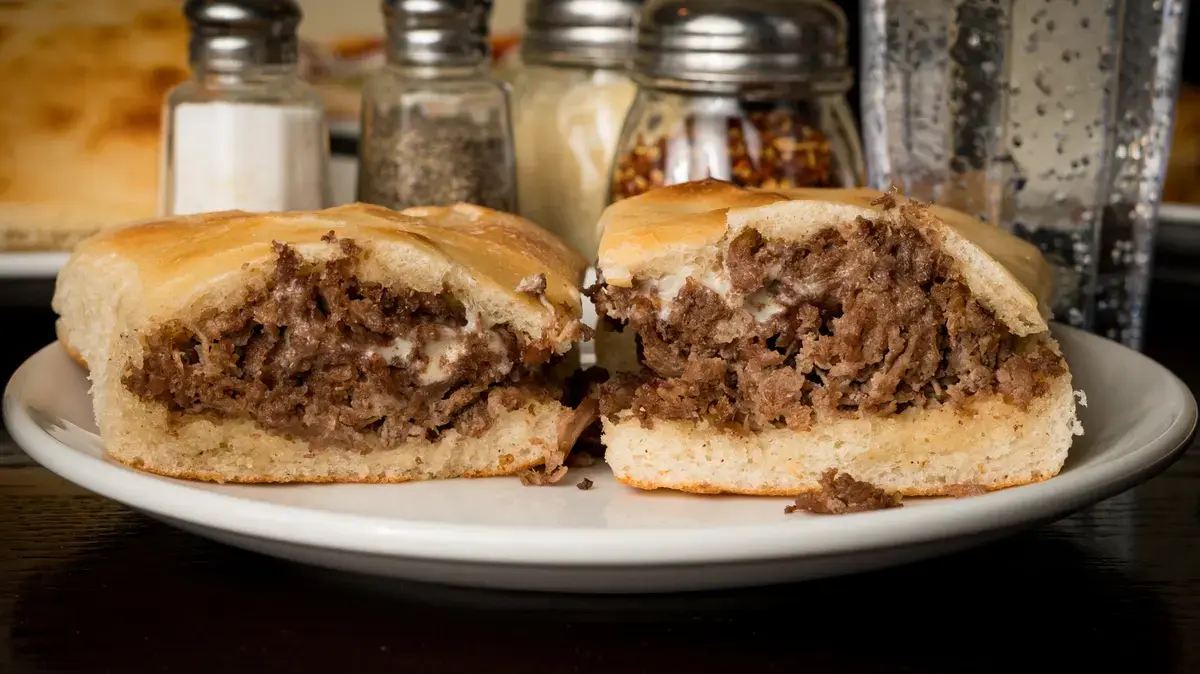
The Hidden Cost of Thinly Sliced Cheesesteak Meat
Does Thin Meat Mean Less Flavor?
Philly cheesesteaks are a staple in many delis, but making them at home can be just as satisfying. The key ingredient is typically ribeye or flank steak, cut into thin strips. This traditional method has been used for years to create the iconic dish.
Latest news
 Costco's Frozen Dumpling Lineup, Ranked From Least To Most Tasty
 Best stainless-steel frying pans 2026: expert-tested picks for searing, eggs and daily cooking
 Trader Joe’s First‑Time Shopper Guide: Must‑Try Items
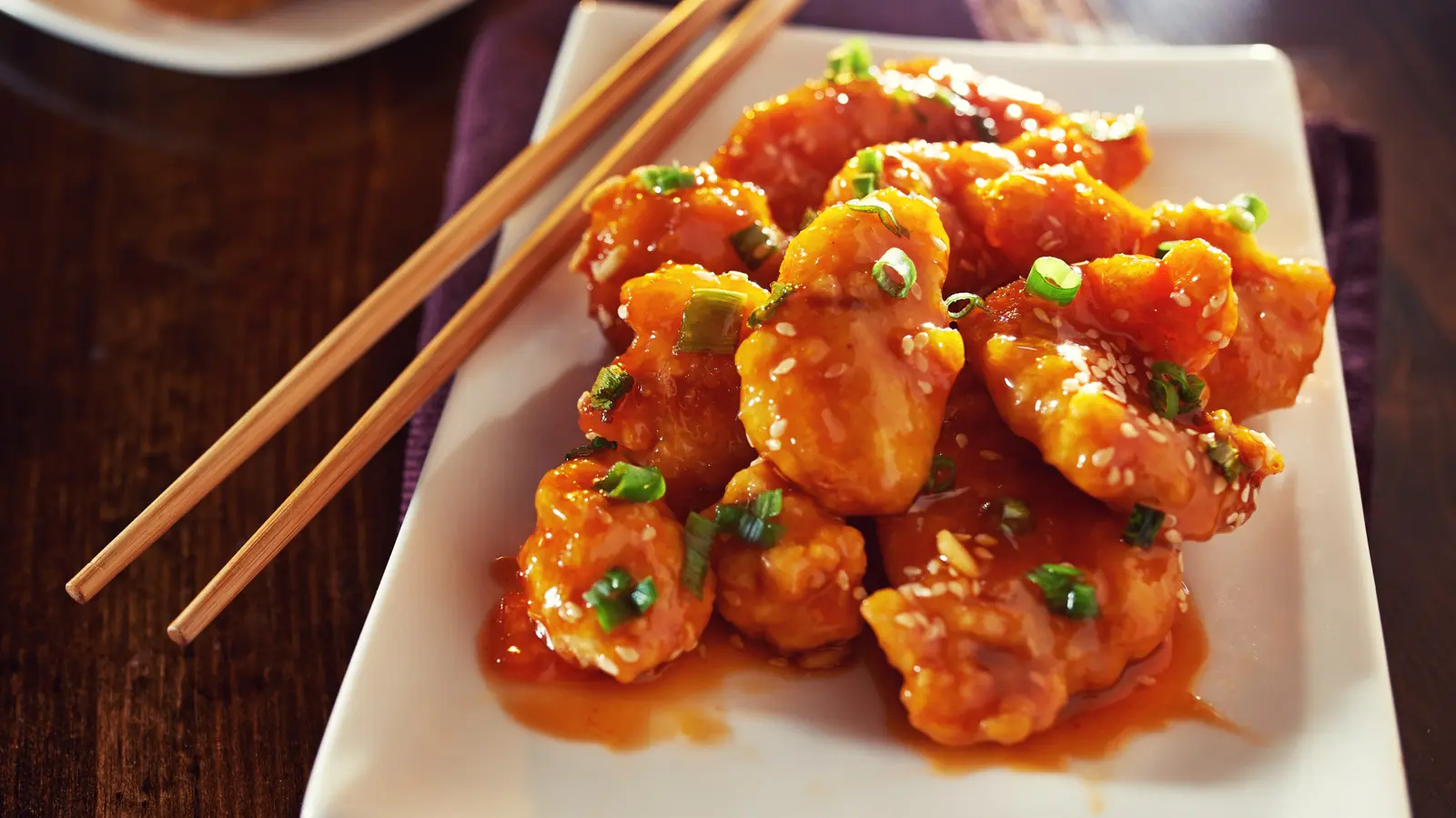 Panda Express vs P.F. Chang's: Which Orange Chicken Is Healthier?
Experts argue that cutting the meat too thin can result in a loss of flavor. When meat is shaved too finely, it can become overcooked and dry, losing its natural tenderness. The traditional thin-cut method is often used to achieve a tender texture, but it can come at a cost.
What's the Ideal Cut for a Cheesesteak?
Cutting meat too thin can cause it to lose its marbling, which is the intramuscular fat that adds flavor and tenderness. When this fat is lost, the meat can become less juicy and less flavorful. Cheesesteak enthusiasts often prioritize tenderness over flavor, but experts say there's a balance to be struck.
Some argue that a slightly thicker cut can retain more of the meat's natural flavor and texture. This is because the fat and connective tissue are preserved, allowing the meat to stay juicy and tender. By cutting the meat to a optimal thickness, cooks can achieve a more balanced flavor profile.
Frequently Asked Questions
The ideal cut will depend on personal preference, but experts suggest aiming for a thickness that allows the meat to retain its marbling. This can result in a more flavorful and tender cheesesteak.
Ultimately, the way cheesesteak meat is cut can significantly impact the final product. By understanding the trade-offs between tenderness and flavor, cooks can create a more authentic and delicious Philly cheesesteak.
Content written by Isabelle Fontaine for fancy-meals.com editorial team, AI-assisted.