The 2-Ingredient French Technique That Transforms Veggies Into A Restaurant-Worthy Side
Why This Approach Outperforms Steaming or Boiling
A simple French cooking method using just two ingredients can elevate ordinary vegetables into a dish worthy of fine dining. This technique, shared by food writer Luna Regina on September 13, 2026, relies on high-heat roasting to caramelize natural sugars and deepen flavor without complex steps or exotic components. Home cooks can achieve restaurant-quality results with minimal effort and pantry staples.
Latest news
 Costco's Frozen Dumpling Lineup, Ranked From Least To Most Tasty
 Best stainless-steel frying pans 2026: expert-tested picks for searing, eggs and daily cooking
 Trader Joe’s First‑Time Shopper Guide: Must‑Try Items
 Panda Express vs P.F. Chang's: Which Orange Chicken Is Healthier?
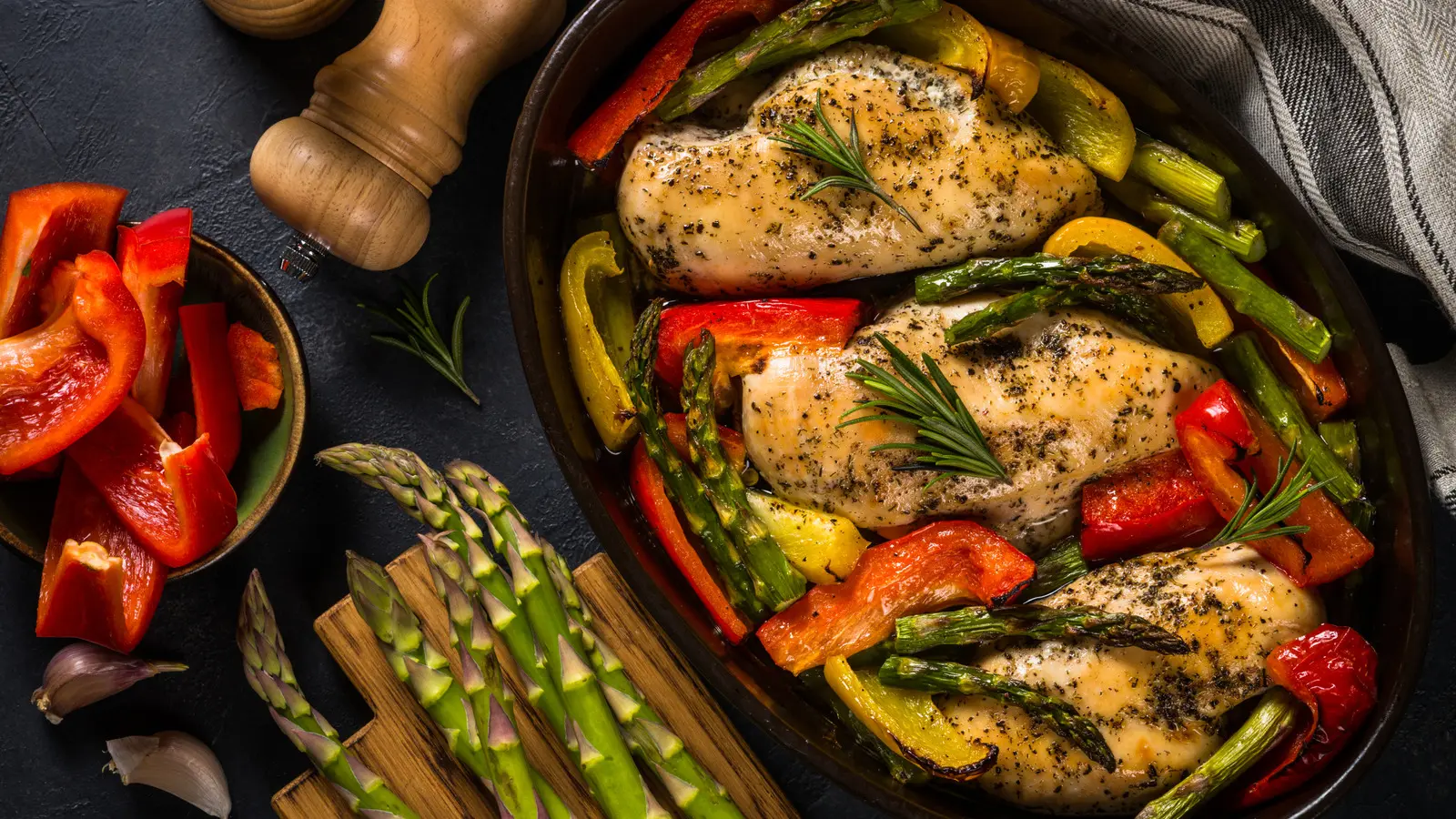
The method involves tossing vegetables in olive oil and salt before spreading them on a baking sheet and roasting at a high temperature until edges brown and interiors turn tender. According to Regina, the key lies in not overcrowding the pan and allowing moisture to evaporate so the vegetables sear rather than steam. This process concentrates flavor and creates a pleasing texture contrast—crispy outside, soft within—that mimics professional kitchen results. The technique works especially well with sturdy vegetables like carrots, Brussels sprouts, cauliflower, and sweet potatoes.
Unlike boiling, which can leach nutrients and leave vegetables soggy, or steaming, which may lack depth, dry-heat roasting triggers the Maillard reaction and caramelization. These chemical processes generate rich, savory notes and a subtle sweetness that enhance the vegetable’s natural profile. Regina notes that even skeptical eaters often reconsider their dislike for certain vegetables after tasting them prepared this way. The simplicity also means fewer dishes and less active cooking time, making it ideal for weeknight meals.
How Can You Avoid Common Mistakes When Roasting Vegetables?
One frequent error is using too little oil, which prevents even browning and can cause sticking. Another is stirring too often, which interrupts the searing process and leads to uneven cooking. Regina recommends letting the vegetables sit undisturbed for at least 20 minutes before checking or flipping. She also advises cutting vegetables into uniform sizes so they cook at the same rate and using a preheated baking sheet to jumpstart browning. A final sprinkle of flaky salt or fresh herbs after roasting adds brightness without complicating the base method.
The technique’s accessibility has made it popular among home cooks seeking elevated flavor without advanced skills or specialty ingredients. As interest in vegetable-forward eating grows, methods like this one offer a practical way to make plant-based dishes more appealing and satisfying. Its reliance on timing and temperature rather than elaborate recipes underscores a broader truth: sometimes the best flavors come from restraint.
Frequently Asked Questions
What vegetables work best with this two-ingredient method? Dense, low-moisture vegetables such as carrots, parsnips, sweet potatoes, cauliflower, and Brussels sprouts yield the best results due to their ability to caramelize well and hold shape during roasting.
Can I use other oils besides olive oil? Yes, oils with high smoke points like avocado or grapeseed oil work well and can be substituted if olive oil’s flavor is not desired, though extra-virgin olive oil adds its own fruity notes that complement many vegetables.
Is it necessary to peel vegetables before roasting? Peeling depends on the vegetable and preference; carrots and potatoes benefit from peeling for texture, while thin-skinned vegetables like zucchini or eggplant can be roasted unpeeled after washing and trimming.
Content written by Lucas Carter for fancy-meals.com editorial team, AI-assisted.