One Simple Pantry Item Transforms Roasted Vegetables Into Restaurant‑Quality Side Dishes
Why Soy Sauce Works Better Than Plain Salt
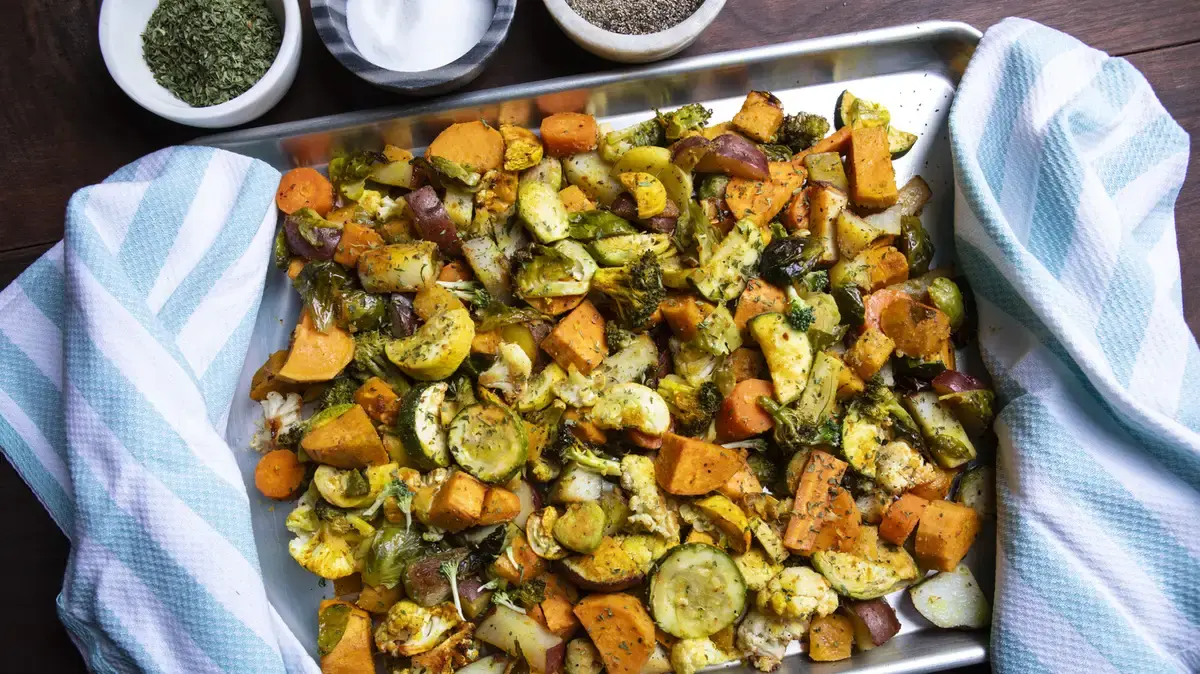
A new cooking tip is gaining traction among home chefs across the United States. Food writer Megan Shoop‑Volz reported on June 7, 2026, that adding a single pantry staple to a roasting pan can elevate ordinary vegetables to restaurant‑level flavor. The technique requires no special equipment, only a common ingredient found in most kitchens.
Latest news
 Costco's Frozen Dumpling Lineup, Ranked From Least To Most Tasty
 Best stainless-steel frying pans 2026: expert-tested picks for searing, eggs and daily cooking
 Trader Joe’s First‑Time Shopper Guide: Must‑Try Items
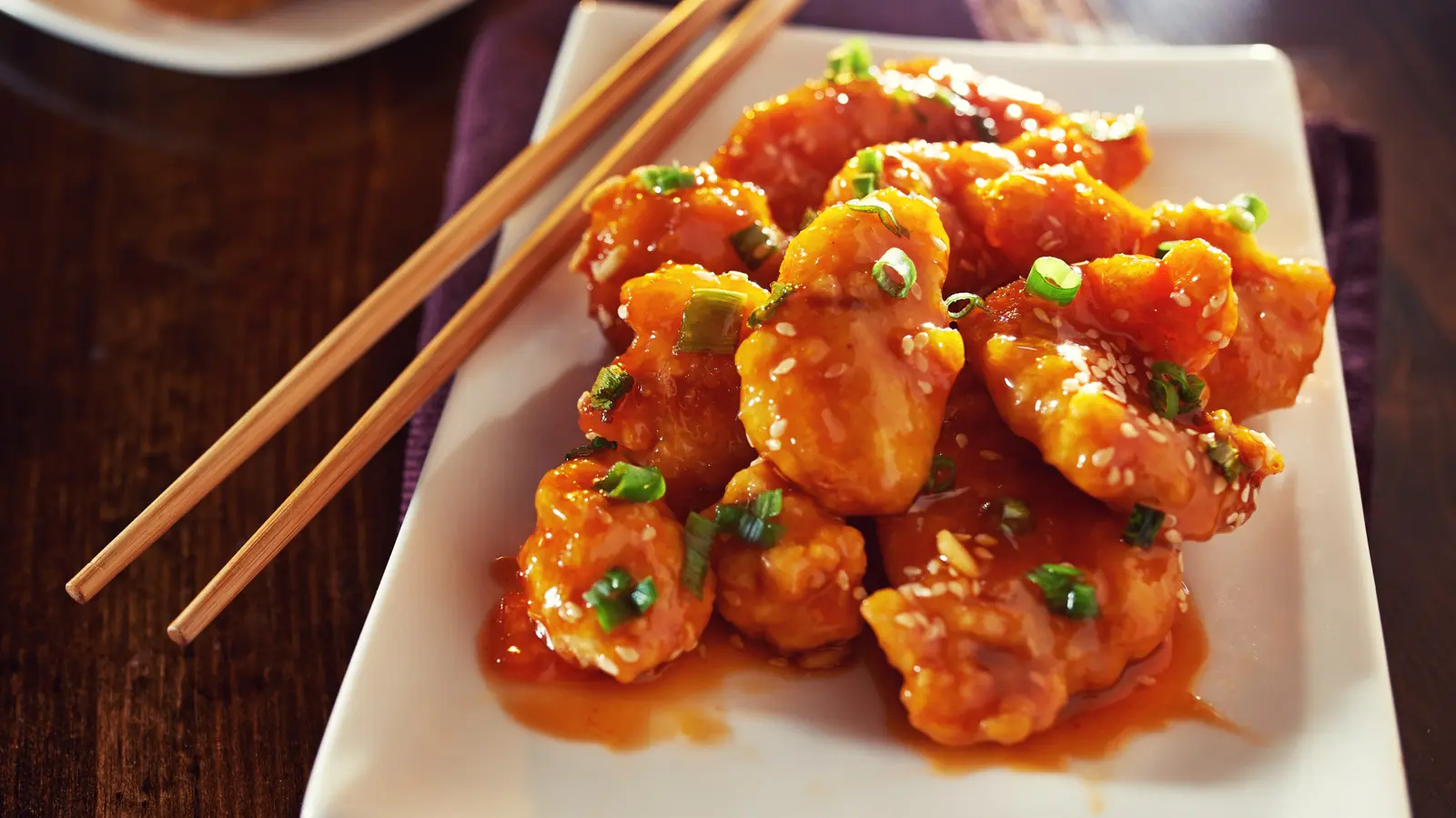 Panda Express vs P.F. Chang's: Which Orange Chicken Is Healthier?
The secret is a modest splash of soy sauce, which brings depth, umami, and a hint of caramelization to the veggies. By tossing cut carrots, broccoli, or cauliflower with oil, salt, pepper, and a tablespoon of soy sauce before roasting, the vegetables develop a crisp exterior and a tender interior. The method works best when the pan isn’t crowded, allowing heat to circulate evenly. The result is a savory, slightly sweet glaze that makes the dish feel indulgent without adding extra fat.
Soy sauce contains amino acids that trigger the Maillard reaction, the same chemical process that browns meat. When vegetables are exposed to high heat, these compounds create a richer, more complex flavor profile. „The umami from soy sauce amplifies the natural sweetness of roasted carrots and beets,” said culinary instructor Luis Ramirez of the New York Culinary Institute. He added that the salt content also helps draw out moisture, ensuring the vegetables crisp up rather than steam. Experiments with different soy sauce varieties—light, dark, and low‑sodium—showed that dark soy adds a deeper color, while light soy keeps the vegetables brighter. The technique is versatile enough for root vegetables, cruciferous greens, and even squash.
Can a Simple Pantry Item Replace Expensive Seasonings?
Many home cooks wonder whether a single ingredient can substitute for costly spice blends. The answer appears to be yes, at least for roasted vegetables. While herbs like rosemary or thyme add aromatic notes, soy sauce provides a balanced salty‑sweet base that complements most produce. „If you’re on a budget, a few teaspoons of soy sauce can achieve the depth you’d otherwise get from a dozen herbs,” Ramirez explained. The approach also reduces prep time, as cooks can skip multiple seasoning steps. However, he cautioned that soy sauce should be used sparingly to avoid overpowering delicate flavors. Pairing it with a squeeze of lemon or a drizzle of olive oil can further enhance the dish without complicating the recipe.
The growing popularity of this technique suggests a shift toward simpler, flavor‑focused cooking. As more people share the tip on social media, pantry staples like soy sauce may become as essential as olive oil in home kitchens. Expect to see restaurants adopting the method for side dishes, and grocery stores might promote ready‑to‑use seasoning packets that incorporate soy sauce for convenience.
Frequently Asked Questions
Does the soy sauce method work with frozen vegetables? Yes, but it’s best to thaw and pat the vegetables dry first. Excess moisture can prevent browning, so a quick toss in a dry towel helps.
Can I use tamari or coconut aminos instead of soy sauce? Both are viable alternatives. Tamari offers a gluten‑free option with a similar flavor, while coconut aminos provide a milder, slightly sweeter taste.
Will the vegetables become too salty? If you follow the recommended amount—about one tablespoon per pound of vegetables—the salt level remains balanced. Adjust to taste if you prefer a lighter flavor.
Content written by Isabelle Fontaine for fancy-meals.com editorial team, AI-assisted.