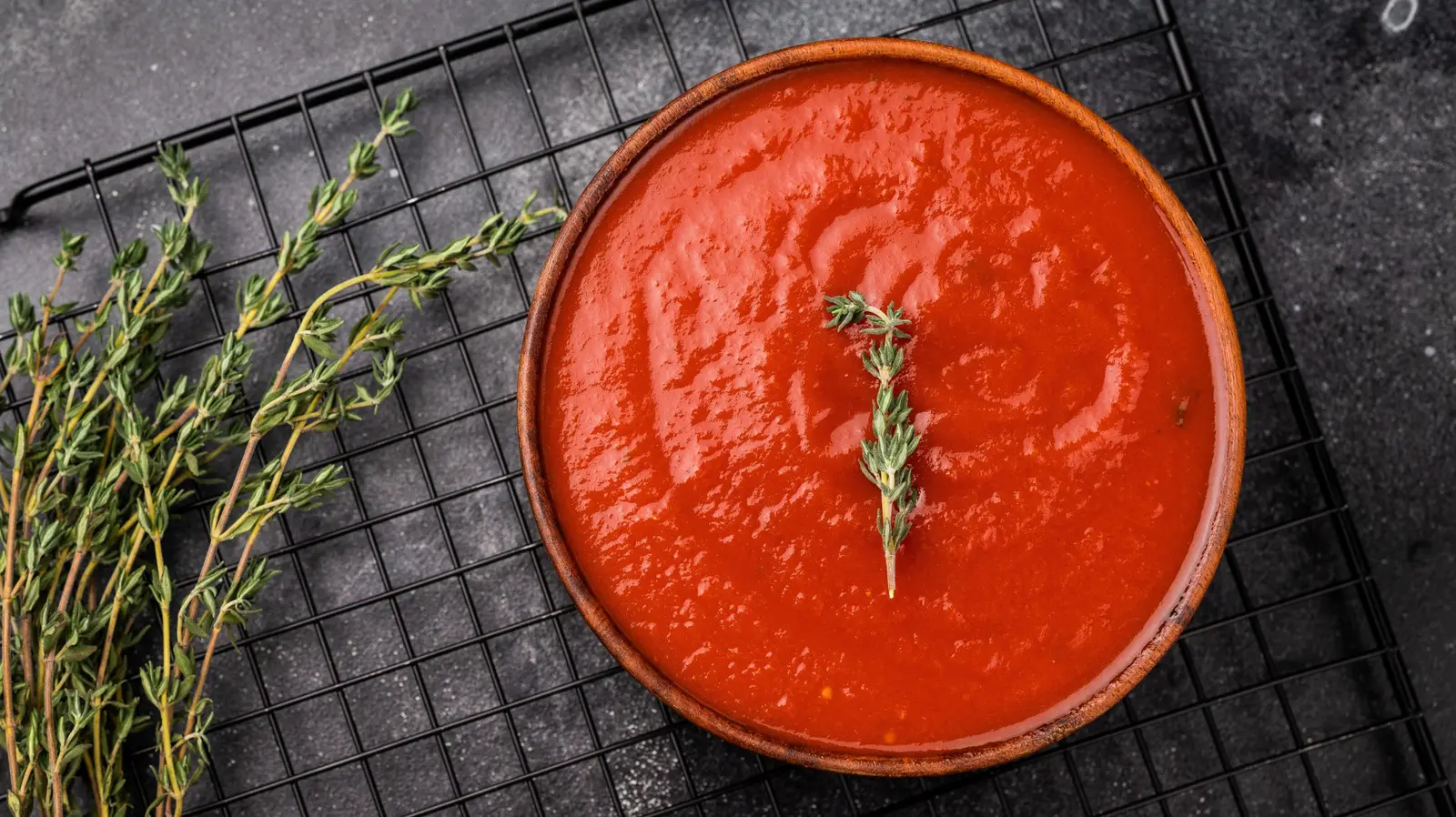
The Jarred Ingredient That Transforms Pasta Sauce With Unmatched Depth Of Flavor
Why Anchovy Paste Works Better Than Fresh Anchovies
A simple jarred ingredient can dramatically enhance the flavor of both store-bought and homemade pasta sauces, offering a depth that fresh herbs or basic seasonings alone cannot achieve. This unassuming addition works quickly, requiring only a small amount to make a noticeable difference in the final dish. Home cooks seeking to elevate everyday meals without complex techniques often overlook this pantry staple, yet it delivers rich, savory notes that linger on the palate. Its effectiveness lies in concentrated umami, which balances acidity and rounds out the sauce’s overall profile.
Latest news
 Costco's Frozen Dumpling Lineup, Ranked From Least To Most Tasty
 Best stainless-steel frying pans 2026: expert-tested picks for searing, eggs and daily cooking
 Trader Joe’s First‑Time Shopper Guide: Must‑Try Items
 Panda Express vs P.F. Chang's: Which Orange Chicken Is Healthier?
The ingredient in question is anchovy paste, a fermented product made from ground anchovies, salt, and sometimes oil. Though it may sound intimidating, anchovy paste dissolves completely into warm sauce, leaving no fishy taste—only a deep, savory backbone that amplifies other flavors. Chefs have long used it in Italian cooking to build complexity in ragus and marinara, but many home cooks avoid it due to misconceptions about its flavor. A mere half-teaspoon stirred into simmering sauce can transform a flat, one-note tomato base into something rich and restaurant-quality. It pairs especially well with garlic, olive oil, and red pepper flakes, creating a harmonious blend that feels both familiar and elevated.
How Much Should You Really Use?
Unlike whole anchovies, which can be unevenly distributed and retain a noticeable texture, anchovy paste integrates smoothly and consistently throughout the sauce. Its concentrated form means less is needed to achieve the desired effect, reducing the risk of overpowering the dish. The fermentation process also develops glutamates that enhance savoriness more effectively than fresh fish alone. This makes it ideal for quick weeknight meals where time and simplicity matter. Many professional kitchens rely on it as a secret weapon for sauces, soups, and braises, valuing its shelf stability and potency.
For most standard pasta sauces serving four to six people, start with half a teaspoon of anchovy paste. Sauté it briefly in olive oil with onions or garlic before adding tomatoes to allow its flavor to meld and mellow. Taste the sauce after simmering for ten minutes; if it needs more depth, add another quarter teaspoon. Remember, the goal is not to make the sauce taste fishy but to enrich it subtly—so when in doubt, under-season and adjust. Over time, you’ll develop a sense for how much your palate prefers, but even a small amount can make a significant difference in perceived richness.
Will anchovy paste make my pasta sauce taste like fish? No, when cooked properly, anchovy paste dissolves completely and contributes only a savory, umami depth without any identifiable fish flavor. It enhances the sauce much like soy sauce or Parmesan cheese does—by adding complexity, not seafood notes.
Frequently Asked Questions
Can I use anchovy paste in vegetarian sauces? Traditional anchovy paste is not vegetarian, as it contains fish. However, vegetarian alternatives made from seaweed or mushrooms are available and can provide a similar umami boost for those avoiding animal products.
Is anchovy paste the same as anchovy fillets in a tube? Yes, anchovy paste is typically sold in tubes and consists of finely ground anchovies, salt, and oil. It is functionally identical to minced anchovy fillets but offers smoother integration and easier measuring for sauce applications.
Content written by [email protected] (Julia Mullaney) for fancy-meals.com editorial team, AI-assisted.