
Spanakopita: Greek Spinach and Feta Pie in Crisp Phyllo
Only when the spinach feels completely dry and crumbles easily should it be
The success of spanakopita hinges entirely on removing every trace of moisture from the spinach filling before assembling the pastry. If water remains in the greens, it turns to steam during baking and ruins the delicate layers of phyllo, leaving the dish soggy regardless of how much butter is used. This Greek classic relies on texture contrast—crisp, golden pastry against a rich, dry interior—to deliver its signature appeal. Home cooks and professional chefs alike emphasize this step as non-negotiable for authentic results. The Critical Step of Dry Spinach Achieving the right texture begins with thoroughly washing fresh spinach, then squeezing it aggressively in a clean kitchen towel or cheesecloth until no liquid escapes. Some cooks repeat the process multiple times, comparing the effort to wringing out a wet sponge.
Latest news
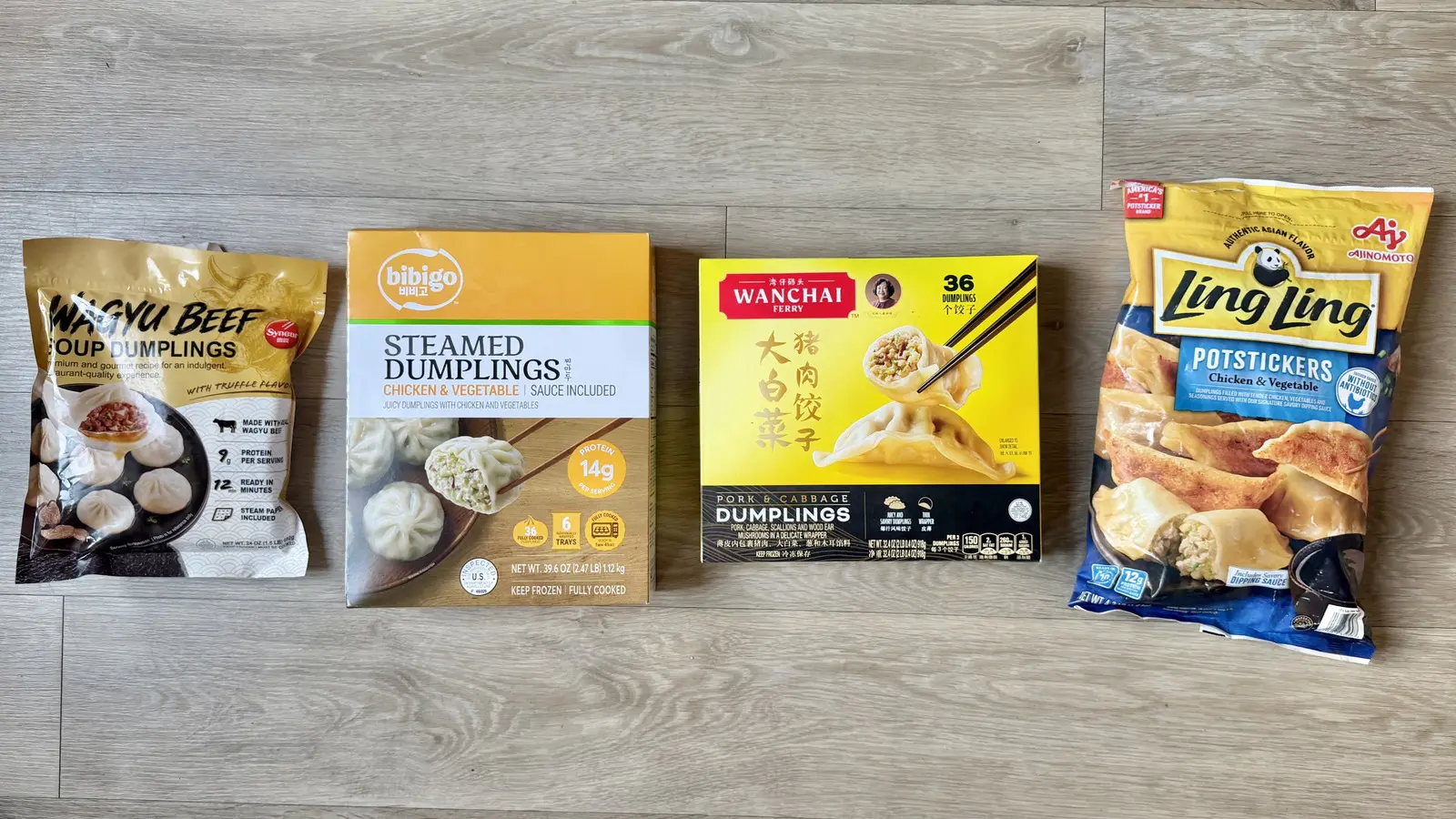 Costco's Frozen Dumpling Lineup, Ranked From Least To Most Tasty
 Best stainless-steel frying pans 2026: expert-tested picks for searing, eggs and daily cooking
 Trader Joe’s First‑Time Shopper Guide: Must‑Try Items
 Panda Express vs P.F. Chang's: Which Orange Chicken Is Healthier?
Only when the spinach feels completely dry and crumbles easily should it be mixed with crumbled feta, cottage cheese, onions, herbs, and seasonings. This dry filling prevents steam buildup between phyllo sheets, allowing each layer to crisp properly in the oven. Butter brushed between sheets adds flavor and promotes browning, but it cannot compensate for wet greens. The technique mirrors methods used in other water-rich vegetable dishes where moisture control is essential for structure. Why Texture Defines the Dish Spanakopita’s appeal lies in its contrast: shatteringly crisp, buttery phyllo giving way to a warm, savory filling that holds its shape. When the spinach is inadequately drained, the released water interrupts the lamination of the pastry, creating a dense, steamed texture instead of distinct flaky layers. Culinary experts note that even a small amount of residual moisture can compromise the entire batch, particularly in larger pans where heat distribution varies.
The dish is traditionally baked until deep golden brown, a visual cue that the
The dish is traditionally baked until deep golden brown, a visual cue that the layers have dehydrated and crisped. Served warm or at room temperature, spanakopita is a staple in Greek households and appears frequently in mezze spreads, often accompanied by lemon wedges or yogurt. How Do You Know When the Spinach Is Dry Enough? The spinach should feel like damp sand—cool to the touch but leaving no moisture on your palm when squeezed. If any water seeps out, return it to the towel and press again. Some cooks use a salad spinner first to remove bulk water, then finish with manual wringing for precision. Others sauté the spinach briefly to evaporate moisture before squeezing, though this risks overcooking. The goal is not just dryness but a texture that integrates smoothly with the cheeses without making the filling wet.
Once combined, the mixture should hold its shape when spooned onto phyllo without spreading or leaking. Frequently Asked Questions Can I use frozen spinach for spanakopita? Yes, but it must be fully thawed and squeezed extremely dry, as frozen spinach retains significant water even after thawing. Many cooks find it easier to control moisture with fresh spinach, but properly drained frozen spinach works well in a pinch. Is cottage cheese traditional in spanakopita filling? While some regional or family recipes include cottage cheese for added creaminess and moisture balance, classic versions typically use only feta and sometimes ricotta or anthotyro. Cottage cheese is a modern adaptation more common outside Greece. What happens if I skip brushing butter between phyllo layers? The layers may not crisp evenly or could stick together, resulting in uneven texture and less golden color.
Butter or oil is essential for creating the distinct flakiness that defines well-made spanakopita.
Content written by Honest Cooking for fancy-meals.com editorial team, AI-assisted.