
Best Pizza Stones and Steels to Achieve Crispy Oven‑Baked Pies in 2026
Why Steel Is Gaining Ground Over Traditional Stone
A wave of new pizza stones and baking steels hit the market this summer, promising home cooks the kind of crust that rivals brick‑oven pizzerias. Major retailers and specialty kitchen brands unveiled their latest models between June and August, targeting enthusiasts who want a quick, reliable way to get a blistered bottom without firing up a wood‑fired oven. Early testers report faster heat recovery, even baking, and a noticeable crunch that lasts longer than traditional stone.
Latest news
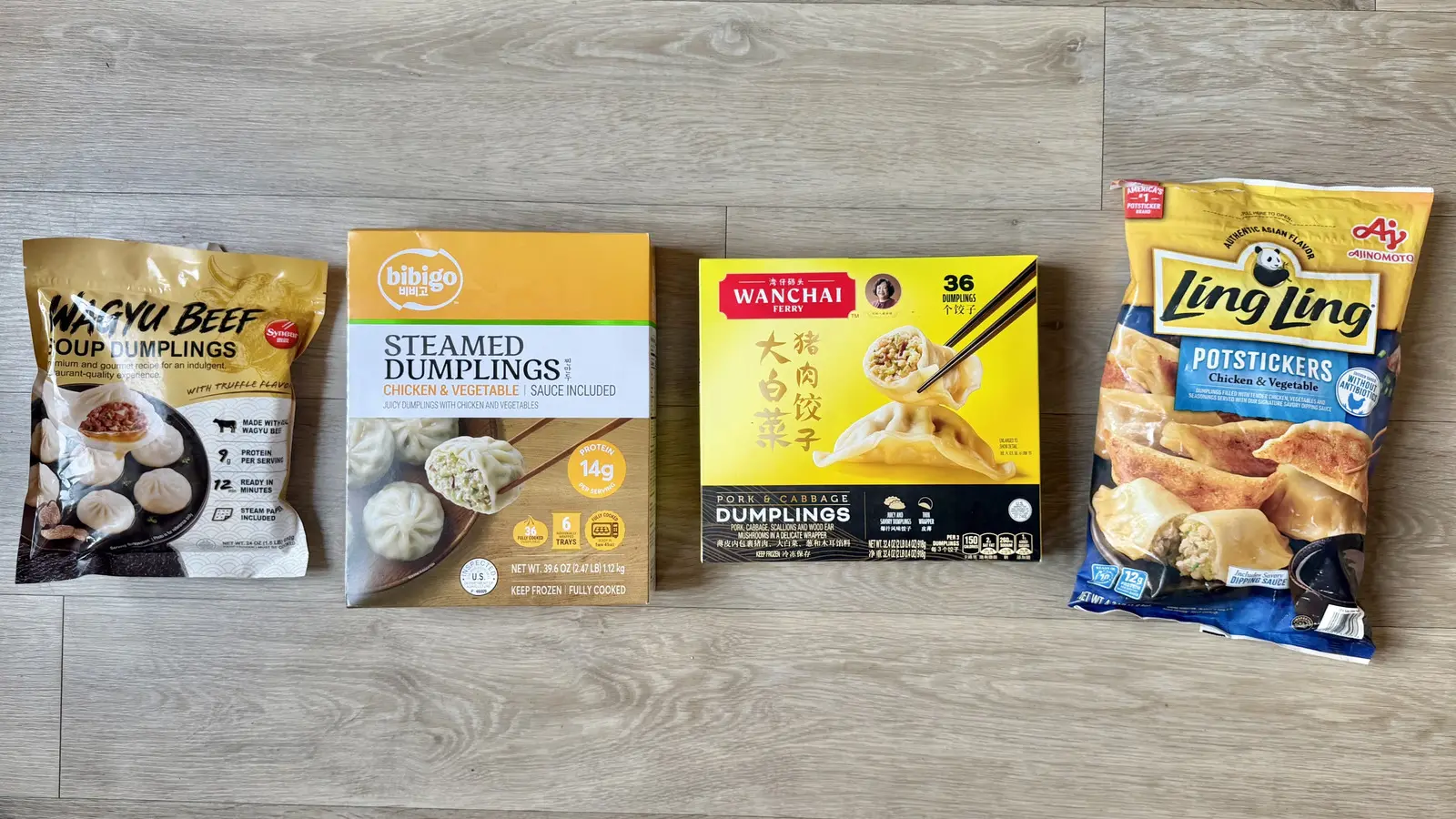 Costco's Frozen Dumpling Lineup, Ranked From Least To Most Tasty
 Best stainless-steel frying pans 2026: expert-tested picks for searing, eggs and daily cooking
 Trader Joe’s First‑Time Shopper Guide: Must‑Try Items
 Panda Express vs P.F. Chang's: Which Orange Chicken Is Healthier?
The surge follows a broader trend of home chefs investing in high‑performance cookware after the pandemic’s „cook‑at‑home” boom. Manufacturers claim advances in material science—such as reinforced cordierite composites and ultra‑thin carbon steel—allow the tools to reach temperatures of 600°F in under five minutes. Compared with classic ceramic stones, the new steels conduct heat more efficiently, reducing bake time by 30 percent and minimizing soggy spots. Consumer reports also note that steel surfaces are easier to clean and less prone to cracking after repeated thermal shock.
Industry analysts point to the thermal conductivity of steel as the decisive factor. „A steel baking surface can transfer heat to the dough almost instantly, creating that coveted oven‑spring and leopard‑spot char,” said culinary engineer Maria Lopez of the Culinary Institute of America. Tests conducted by the Kitchen Gear Review Board measured an average surface temperature of 580°F for steel versus 460°F for ceramic after a three‑minute preheat. The higher temperature not only crisped the crust but also cooked toppings more evenly, preventing the cheese from over‑browning while the base stayed soft.
Can a Pizza Stone Still Hold Its Own in 2026?
Consumers also appreciate the durability of steel. While a stone can chip or break after a few hundred uses, a ¼‑inch steel plate can endure years of heavy use without warping. Some models feature a brushed finish that reduces sticking, eliminating the need for excessive flour or cornmeal. However, steel does require seasoning to maintain its non‑stick properties, a step that some home cooks find inconvenient.
Despite steel’s rise, many chefs argue that stone still offers unique benefits. „Stone retains moisture longer, which can be advantageous for certain dough styles, especially Neapolitan‑type pies that need a soft interior,” noted chef Antonio Russo of Napoli’s Finest. Stone’s porous nature draws excess water from the crust, preventing sogginess in heavily topped pizzas. Moreover, stone is forgiving; it tolerates minor temperature fluctuations better than steel, making it suitable for ovens that cannot sustain extreme heat.
Price points also influence buyer decisions. Entry‑level stones start around $30, while high‑end steels can exceed $150. For budget‑conscious families, a mid‑range cordierite stone provides a respectable balance of performance and cost. Ultimately, the choice hinges on personal preference, oven capability, and the type of pizza one aims to perfect.
As more households experiment with artisanal pizza at home, the market for specialized bakeware is set to expand further. Experts predict that hybrid products—combining a thin steel core with a stone‑like outer layer—may emerge, offering the best of both worlds. For now, the clear takeaway is that both tools can elevate a home‑cooked pie, provided users match the equipment to their cooking style and oven limits.
Frequently Asked Questions
Do I need to preheat a pizza stone or steel before baking? Yes. Preheating for at least 10 minutes ensures the surface reaches optimal temperature, which is essential for a crisp crust.
How do I clean a pizza steel without damaging it? Allow the steel to cool, then wipe it with a damp cloth. For stubborn residue, a light coat of oil and a gentle scrub will restore the seasoning.
Can I use a pizza stone in a convection oven? Absolutely. Place the stone on the middle rack and adjust the bake time slightly, as convection ovens circulate hot air more efficiently.
Content written by Lucas Carter for fancy-meals.com editorial team, AI-assisted.