
Greek Yogurt and Skyr Protein Showdown
Which Dairy Option Wins the Protein Race?
Greek yogurt and skyr are popular fermented dairy options. Both offer high protein content for consumers. Health enthusiasts often choose one over the other. The debate centers on nutritional value. Recent interest in protein intake drives this comparison. Shoppers seek the best source for their diets. Understanding the differences helps in making informed choices. The market sees growing demand for these products.
Latest news
 Moe's Southwest Grill Menu Items Ranked from Worst to Best
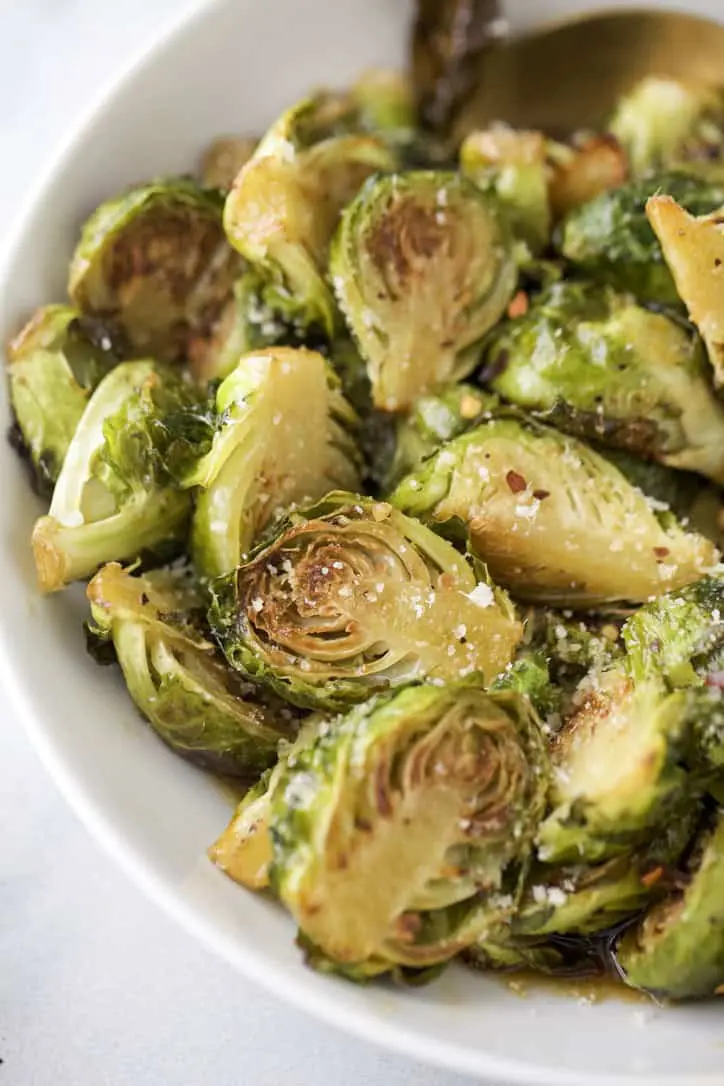 Hot Honey Brussels Sprouts: A Sweet‑Spicy Side That Turns Heads
 Turn Your Pasta Sauce Into a Nutritional Powerhouse
 West Coast IPAs vs East Coast IPAs: A Flavor Battle Across the United States
Protein dominates current nutritional trends. People focus less on calories and carbs. Instead, they prioritize protein intake. This shift influences food purchasing decisions. Dairy products remain top sources for this macronutrient. Greek yogurt and skyr lead this category. They provide substantial protein per serving. Consumers look for efficient ways to meet daily goals. The specific protein counts vary slightly between the two.
Skyr typically contains more protein than Greek yogurt. A standard cup of skyr offers approximately 17 to 20 grams. Greek yogurt usually provides around 15 to 18 grams. The difference stems from production methods. Skyr is made from skimmed milk. This process concentrates the protein content. Greek yogurt uses whole or low-fat milk. It involves straining whey to thicken the texture. Both methods result in dense, protein-rich foods. The slight variation matters for strict dietary plans. Athletes and fitness enthusiasts often prefer skyr for this reason. However, Greek yogurt remains a close competitor. Taste and texture also play significant roles in selection.
How Do Production Methods Affect Nutritional Value?
The manufacturing process defines the final product. Skyr originates from Iceland. Traditional methods use specific bacterial cultures. These cultures ferment the milk over several days. The result is a thick, smooth consistency. Greek yogurt comes from straining yogurt. This removes liquid whey and fat. The remaining product is tangy and creamy. Both processes enhance digestibility. They also increase the concentration of nutrients. Skyr tends to have fewer calories. This is due to the use of skimmed milk. Greek yogurt may contain more fat depending on the brand. Low-fat versions exist for both products. Shoppers should read labels carefully. Serving sizes can vary significantly between brands. Accurate comparison requires checking specific product data.
The choice between these two dairy items depends on individual needs. Protein content is a primary factor for many. Skyr offers a slight edge in this area. However, Greek yogurt provides versatility in cooking. It works well in baking and smoothies. Skyr is often used as a direct yogurt substitute. Both products support muscle recovery and satiety. They fit into various dietary frameworks. The nutritional gap is narrow. Lifestyle preferences often dictate the final choice. Consumers should prioritize consistency over minor differences. Regular intake of either product supports health goals. The market continues to expand with new varieties. Innovation in dairy products shows no signs of slowing down.
Frequently Asked Questions
Is skyr always higher in protein than Greek yogurt? Generally, yes. Skyr is made from skimmed milk, which concentrates protein. Greek yogurt varies by fat content, but skyr usually leads.
Can I substitute skyr for Greek yogurt in recipes? Yes, they work similarly in most dishes. Skyr is slightly thinner, so adjustments may be needed. The flavor profiles are comparable.
Do these products contain added sugars? Plain versions have minimal natural sugar. Flavored varieties often contain significant added sugars. Always check the nutrition label for details.
Content written by [email protected] (Julia Mullaney) for fancy-meals.com editorial team, AI-assisted.