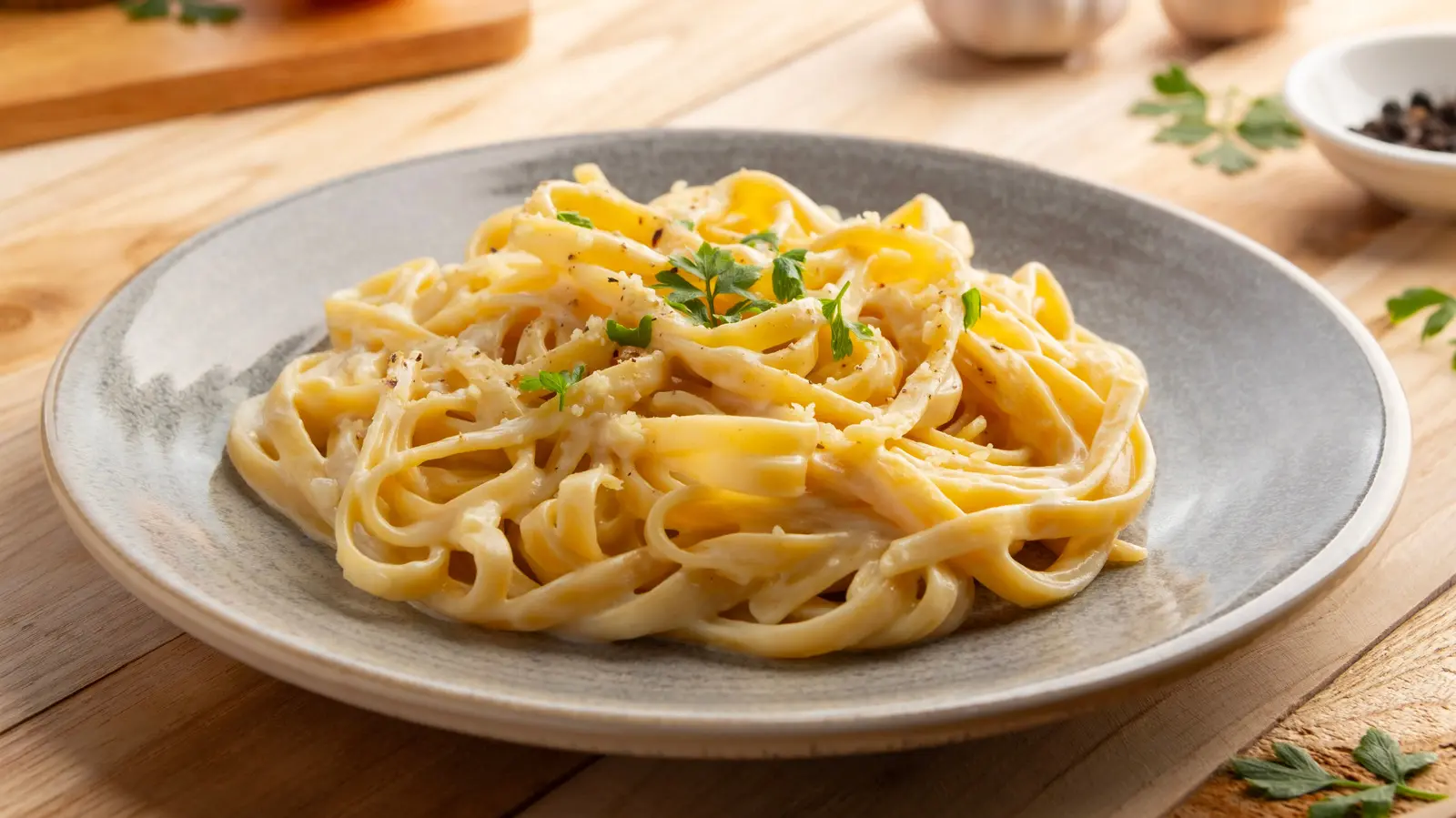
Quick Garlic‑Oil Pasta Sauce in Ten Minutes Beats Store‑Bought Options
From Pantry Staples to Gourmet Sauce
A simple blend of garlic, olive oil and a blender can turn pantry basics into a rich, restaurant‑style sauce. The method takes about ten minutes, requires no special ingredients, and delivers a silky, aromatic topping for any pasta. Home cooks can skip the grocery trip and still serve a dish that tastes like a classic Italian aglio e olio, but with a smoother texture.
Latest news
 Costco's Frozen Dumpling Lineup, Ranked From Least To Most Tasty
 Best stainless-steel frying pans 2026: expert-tested picks for searing, eggs and daily cooking
 Trader Joe’s First‑Time Shopper Guide: Must‑Try Items
 Panda Express vs P.F. Chang's: Which Orange Chicken Is Healthier?
The trick is to gently cook peeled garlic cloves in olive oil until they soften, then transfer the mixture to a high‑speed blender. The blender emulsifies the oil and garlic into a glossy sauce that clings to noodles without separating. Season with salt, pepper, and a pinch of red‑pepper flakes for heat, and finish with fresh herbs or grated cheese if desired. The result is a velvety, garlicky coating that elevates spaghetti, linguine or even whole‑wheat pasta in minutes.
The process begins with a modest amount of garlic—typically three to four cloves—sautéed in a generous splash of extra‑virgin olive oil over low heat. Cooking the garlic slowly releases its natural sugars, reducing bitterness and creating a sweet, mellow base. Once the garlic turns golden and fragrant, the pan is removed from the stove to prevent scorching. The hot mixture is then poured into a blender, where the blades whip the oil and softened garlic into a uniform emulsion. Adding a splash of pasta cooking water helps achieve the perfect consistency, allowing the sauce to coat each strand evenly. The technique requires no flour or cream, making it dairy‑free and low‑carb while still delivering a luxurious mouthfeel.
Can This Ten‑Minute Sauce Replace Traditional Aglio e Olio?
Home cooks who have tried the method report that the sauce retains the bright, pungent notes of fresh garlic without the harsh bite that raw or overcooked garlic can produce. The emulsified oil also spreads more evenly than a traditional aglio e olio, which can leave clumps of garlic in the pan. Because the sauce is made on the spot, it can be adjusted instantly—more chili for heat, a squeeze of lemon for acidity, or a handful of parsley for freshness. The simplicity of the recipe encourages experimentation, turning a basic pantry staple into a versatile foundation for countless pasta variations.
Many wonder whether the blended version can truly stand in for the classic skillet method. While the traditional approach relies on tossing garlic and oil directly with hot pasta, the blended sauce offers a smoother texture that some diners prefer. The key difference lies in mouthfeel: the blended sauce feels creamier, whereas the skillet version provides distinct garlic pieces and a slightly crisp edge. Both deliver the essential garlic‑oil flavor, but the blended technique may be more appealing to those who dislike the occasional bite of fried garlic. Moreover, the quick emulsification reduces the risk of oil separation, ensuring a consistent coating from start to finish.
The blended sauce also adapts well to dietary restrictions. Because it contains no butter, cheese, or cream, it suits vegan and lactose‑intolerant diners. Adding a splash of plant‑based milk or a spoonful of nutritional yeast can create a richer profile without compromising the original concept. Chefs in small kitchens appreciate the method for its speed and minimal cleanup—just a pan, a blender, and a pot of pasta.
Looking ahead, this rapid garlic‑oil sauce could become a staple for busy households and culinary students alike. Its ease of preparation encourages home cooking, potentially reducing reliance on processed sauces that are high in sodium and additives. As more people discover the technique, variations featuring roasted tomatoes, sun‑dried olives, or toasted nuts may emerge, expanding the simple recipe into a family of quick, flavorful pasta toppings.
Frequently Asked Questions
Do I need a high‑speed blender, or will a regular blender work? A regular blender can emulsify the sauce, but a high‑speed model produces a smoother texture faster and reduces the chance of oil separation.
Can I add other ingredients, like tomatoes or herbs, to the blended sauce? Yes, blend in a handful of fresh basil, parsley, or a few sun‑dried tomatoes after the garlic and oil for added flavor and color.
How long can the sauce be stored, and how should I reheat it? Store the sauce in an airtight container in the refrigerator for up to three days. Reheat gently over low heat, adding a splash of water or broth to restore its silky consistency.
Content written by [email protected] (Jennifer M. McNeill) for fancy-meals.com editorial team, AI-assisted.