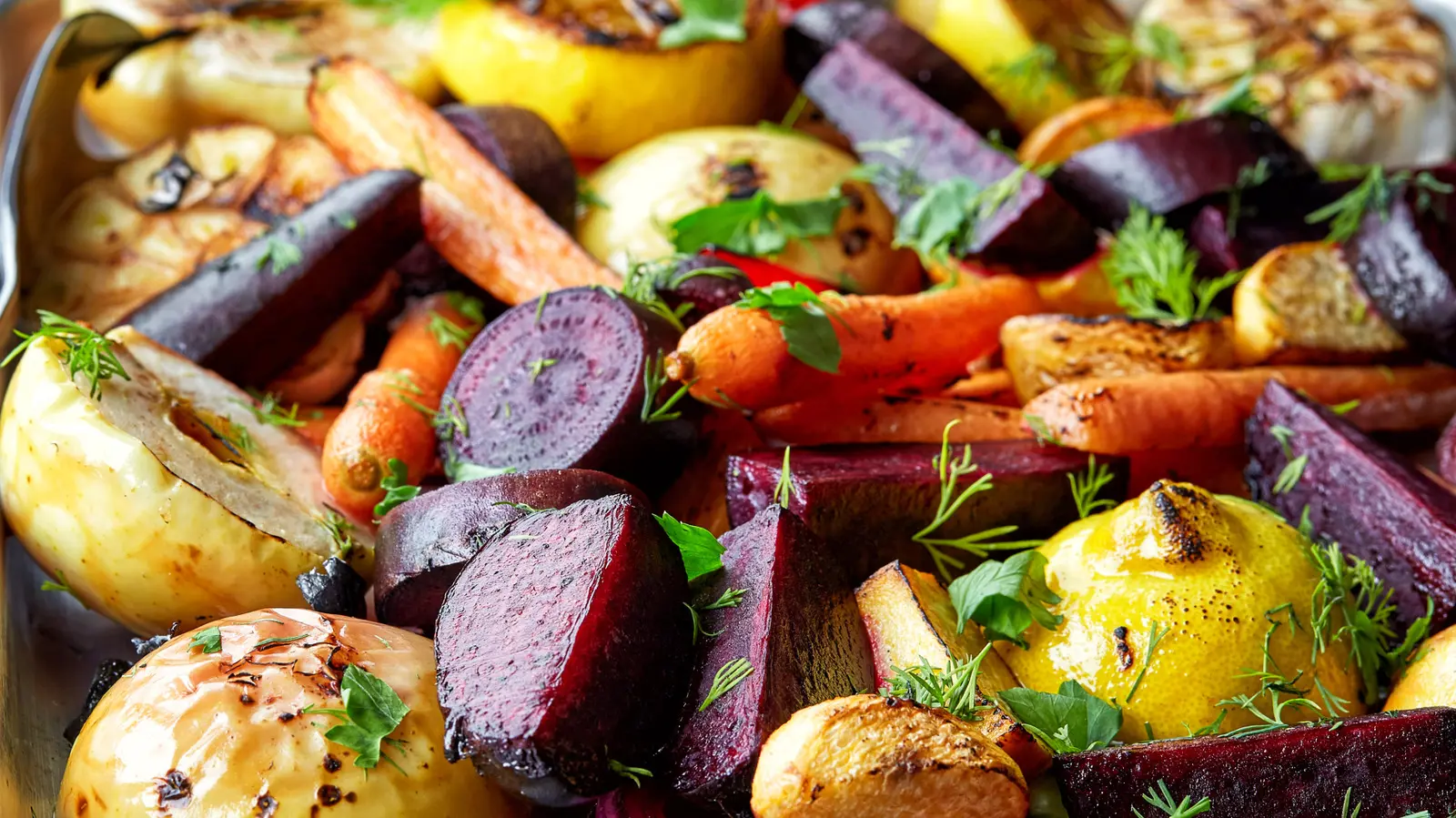
Turn Roasted Vegetables Into a Richer Side Dish With Duck Fat
Why Duck Fat Works Well for Roasting
Duck fat is valued in cooking not only for its distinct aroma but also for its technical properties. It has a smoke point of about 375 degrees Fahrenheit, meaning it withstands high heat without burning or releasing unpleasant compounds. This allows the Maillard reaction to occur more quickly and evenly on the vegetable surface, essential for developing complex flavor and attractive golden-brown color. The result is not just tastier vegetables but also ones with a lightly crisp crust that adds a pleasant textural dimension.
Latest news
 Best stainless-steel frying pans 2026: expert-tested picks for searing, eggs and daily cooking
 Trader Joe’s First‑Time Shopper Guide: Must‑Try Items
 Panda Express vs P.F. Chang's: Which Orange Chicken Is Healthier?
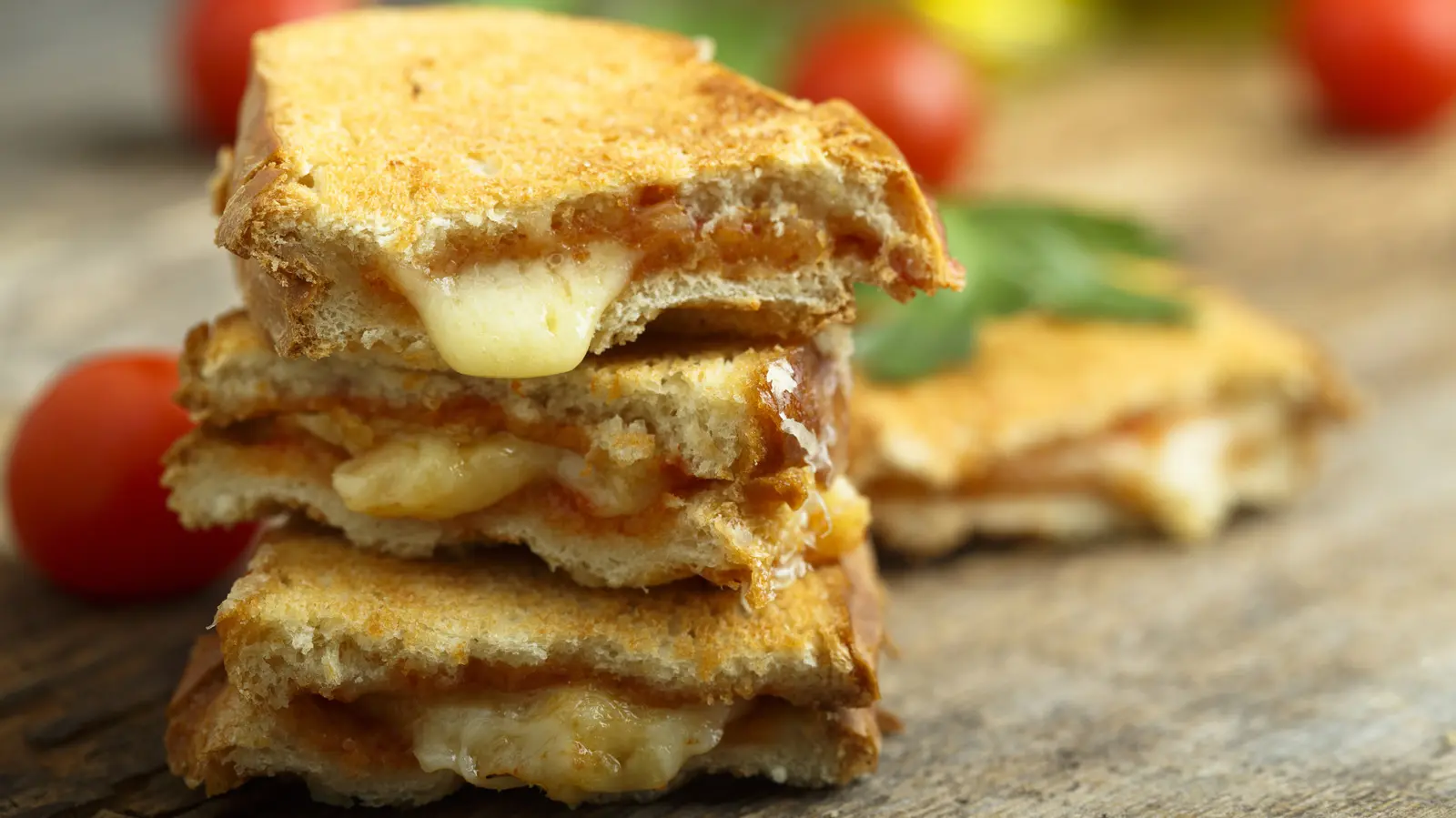 Prosciutto Elevates the Classic Grilled Cheese Sandwich
How Duck Fat Compares to Other Fats
Compared to beef tallow, duck fat is lighter and contains less saturated fat, making it easier to digest and suitable for those seeking dietary balance. It is also easy to handle: it melts smoothly, spreads evenly, and does not leave an overly heavy taste. To fully benefit from its effects, apply it generously to each vegetable piece before roasting. A uniform coating ensures efficient heat transfer and proper crust development on every surface.
Seasoning and Roasting Tips
After coating the vegetables with duck fat, add seasonings to taste—such as pepper, rosemary, thyme, paprika, or a pinch of cayenne—then toss gently to distribute evenly. Spread them in a preheated oven and roast until tender inside and golden-brown outside. This visual and aromatic change indicates caramelization is complete and the vegetables are ready to serve.
Best Vegetables for Duck Fat Roasting
Duck fat works excellently not only with root vegetables like carrots, parsnips, or mushrooms but also with stalk vegetables such as asparagus, broccoli, or Brussels sprouts. However, to prevent steaming instead of roasting, avoid overcrowding the pan. Too many pieces close together block hot air circulation, leading to uneven cooking. Instead, roast in batches, leaving enough space between pieces for hot air to circulate freely and ensure even cooking throughout.
Storage and Availability
Although duck fat can be obtained by rendering the fatty tissue of ducks—a simple but time- and attention-requiring process—it is not necessary to make it at home. Rendered duck fat, if stored properly in an airtight container in the refrigerator, remains usable for months, even up to six months. If you lack time or resources for this step, you can buy prepared duck fat from specialty stores or well-stocked supermarkets for around twenty dollars or less, depending on brand and quantity.
Other Uses in the Kitchen
The uses of this fat go beyond vegetables. You can successfully use it to roast potatoes, give poultry a desirable golden crust, or even sear burgers—a trick that gives them remarkable flavor depth. Thanks to this versatility, duck fat becomes a „secret weapon” in the kitchen: a discreet ingredient that can instantly elevate the level of any dish, even the simplest one. A spoonful added at the right time can turn an ordinary meal into a memorable experience, proving that sometimes, the smallest change makes the biggest difference.
Content written by [email protected] (Macy Sandel) for fancy-meals.com editorial team, AI-assisted.