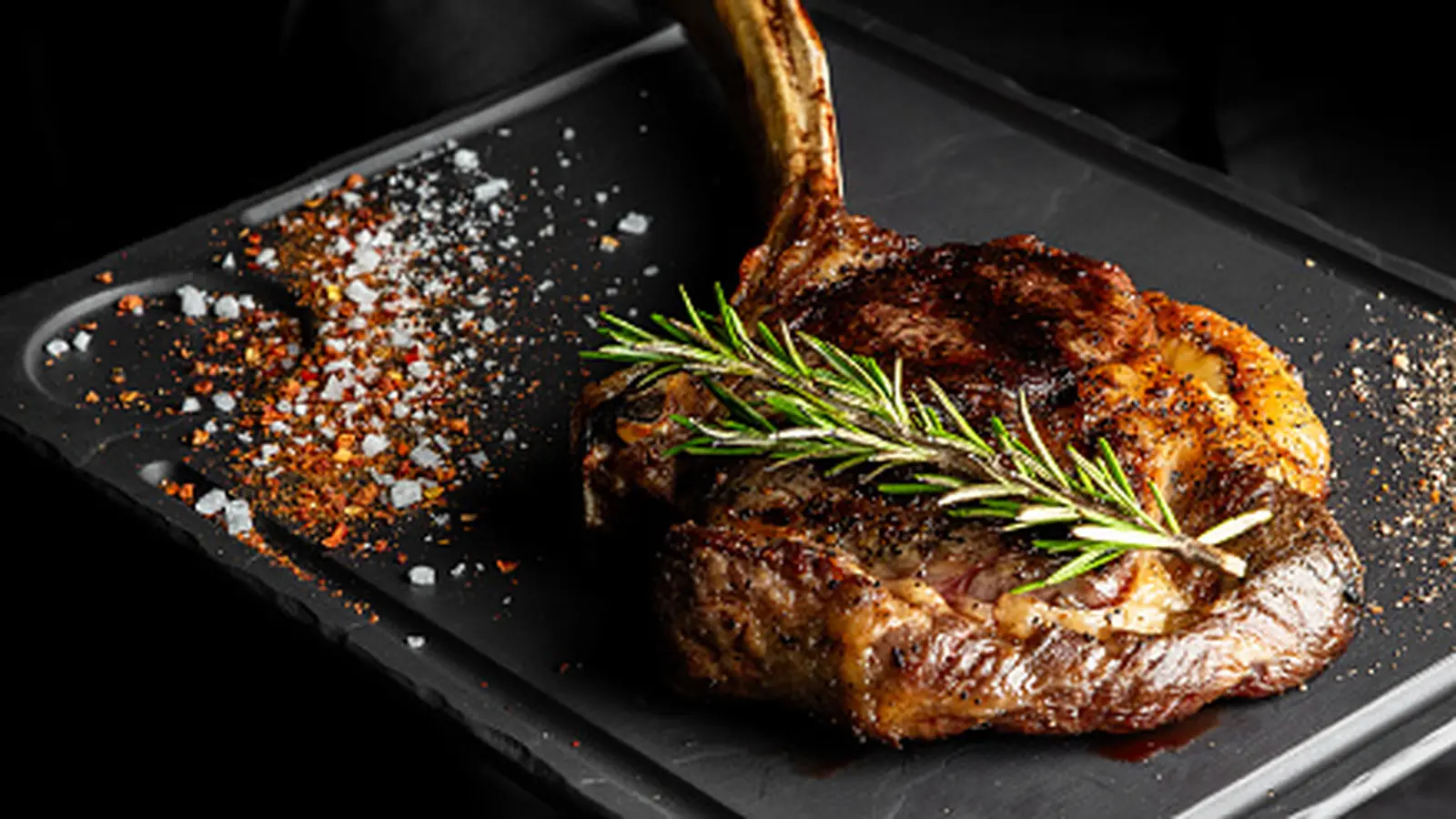
One Simple Step Transforms Home-Cooked Ribeye Into Restaurant Quality
Mastering Heat Control for Optimal Texture
August 31, 2026 marks the release of a new culinary guide highlighting an effortless technique for preparing ribeye steaks at home. This method promises significant flavor improvements without demanding advanced kitchen skills or extensive preparation time. The approach focuses on maximizing the natural qualities of high-quality beef. It offers a practical solution for home cooks seeking better results with minimal effort. The technique is designed to be accessible to beginners while satisfying experienced meat enthusiasts.
Latest news
 Costco's Frozen Dumpling Lineup, Ranked From Least To Most Tasty
 Best stainless-steel frying pans 2026: expert-tested picks for searing, eggs and daily cooking
 Trader Joe’s First‑Time Shopper Guide: Must‑Try Items
 Panda Express vs P.F. Chang's: Which Orange Chicken Is Healthier?
The core of this method lies in respecting the inherent marbling of the ribeye cut. Unlike leaner cuts that require added fats or complex marinades, ribeye possesses sufficient internal fat to render during cooking. This natural richness creates a juicy interior and a flavorful crust when handled correctly. The process eliminates the need for heavy sauces or prolonged tenderizing. Instead, it relies on precise heat management and timing to unlock the meat's potential.
Achieving the perfect steak requires understanding how heat affects protein structure. High initial heat sears the exterior quickly, locking in juices and creating a Maillard reaction crust. However, excessive heat can cook the meat too fast, leaving a gray band between the rare center and the browned surface. The recommended technique involves a two-stage cooking process. First, sear the steak in a preheated cast-iron skillet or grill pan. Then, finish it in a low-temperature oven to ensure even doneness throughout.
Why Simplicity Beats Complexity in Steak Preparation
This method prevents the common mistake of overcooking the outer layers while undercooking the middle. It allows the internal temperature to rise gradually and uniformly. Chefs recommend using a digital thermometer to monitor progress accurately. Target temperatures vary based on personal preference, but medium-rare typically sits around 130 degrees Fahrenheit. Resting the steak for five to ten minutes after cooking is equally critical. This pause allows muscle fibers to relax and redistribute moisture, resulting in a tender bite.
Many home cooks feel pressured to use elaborate techniques like sous-vide or dry-aging. While effective, these methods require specialized equipment and long lead times. The simple searing and finishing technique proves that basic tools yield superior results. It emphasizes that quality ingredients matter more than complex procedures. A well-chosen ribeye with visible marbling needs little intervention beyond proper seasoning and heat application.
This perspective shifts the focus from technique-heavy recipes to ingredient selection. Shoppers should look for steaks with consistent fat distribution throughout the muscle. Avoid pieces with large, isolated chunks of fat, which can burn unevenly. Salt application also plays a vital role in this simplified process. Salting the steak at least forty minutes before cooking draws out moisture, which then reabsorbs into the meat. This brining effect enhances juiciness and flavor depth without adding extra ingredients.
Frequently Asked Questions
How thick should the ribeye be for this method? Aim for a thickness of at least one and a half inches. Thinner steaks cook too quickly, making it difficult to achieve a rare center with a seared exterior.
Can I use butter during the searing process? Yes, adding butter near the end of the searing phase adds richness. Be careful not to let it burn, as butter has a lower smoke point than oil.
Is resting the steak truly necessary? Resting is essential for texture. It allows the proteins to settle and juices to spread evenly. Skipping this step often leads to a drier final product.
Content written by Lucas Carter for fancy-meals.com editorial team, AI-assisted.