Lemon Chiffon Cake Defined 1970s Home Baking Trends
Why Whipped Egg Whites Changed Home Baking
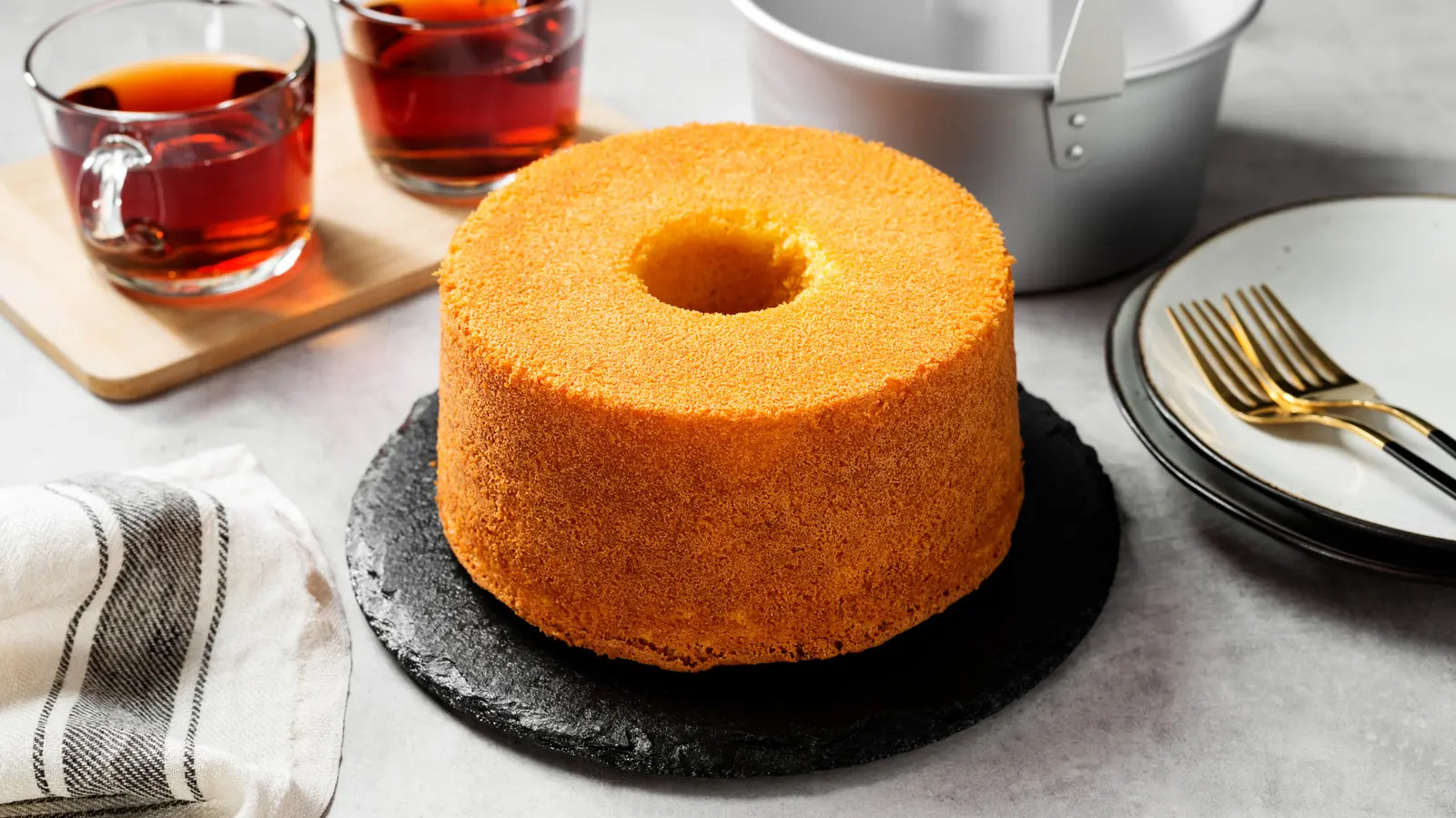
In the 1970s, lemon chiffon cake became a staple dessert for social gatherings across America. This light and airy treat consistently won over guests at parties. Its delicate texture and bright citrus flavor made it a favorite among home bakers. The cake offered a refreshing alternative to heavier chocolate options. It remained a popular choice for decades after its initial rise to fame.
Latest news
 Moe's Southwest Grill Menu Items Ranked from Worst to Best
 Hot Honey Brussels Sprouts: A Sweet‑Spicy Side That Turns Heads
 Turn Your Pasta Sauce Into a Nutritional Powerhouse
 West Coast IPAs vs East Coast IPAs: A Flavor Battle Across the United States
The popularity of this specific cake stemmed from its unique preparation method. Unlike standard layer cakes, chiffon cakes rely on whipped egg whites rather than butter or oil for structure. This technique creates a sponge that is remarkably fluffy yet moist. The result is a dessert that feels substantial without being heavy. Home cooks appreciated the simplicity of the ingredients required. Most households already possessed the necessary components for baking.
The structural integrity of chiffon cake depends entirely on the air trapped in the eggs. Bakers must separate yolks from whites with great care. Any trace of yolk fat can cause the mixture to collapse. This step demands patience and precision from the cook. Once the whites reach stiff peaks, they fold into the batter gently. This process preserves the air bubbles that give the cake its height. The final product rises significantly in the tube pan. The outcome is a tall, golden loaf with a tender crumb.
How Did This Retro Treat Influence Modern Pastry?
The lemon flavor profile added another layer of appeal. Zest from fresh lemons infused the batter with aromatic oils. A simple sugar glaze often finished the presentation. This combination of citrus brightness and vanilla undertones satisfied diverse palates. The cake served well at both casual potlucks and formal dinners. Its versatility ensured it stayed on menus long after the decade ended.
Modern pastry chefs continue to reference chiffon techniques in their creations. The concept of using minimal fat for maximum lift remains relevant. Many contemporary bakeries feature lemon chiffon variations on their menus. These versions often incorporate local fruits or alternative sweeteners. The core principle, however, stays unchanged. The cake demonstrates how simple ingredients yield complex results. Its enduring presence highlights the value of traditional methods.
Frequently Asked Questions
The legacy of the 1970s lemon chiffon cake extends beyond nostalgia. It represents a shift toward lighter, more digestible desserts. Today’s bakers still turn to this recipe when seeking reliability. The cake’s success proves that technical skill matters more than expensive equipment. As dietary preferences evolve, the chiffon format adapts easily. New flavors emerge, but the foundational technique persists. This resilience ensures the cake remains a kitchen classic.
Why is chiffon cake considered lighter than pound cake? Chiffon cake uses whipped egg whites instead of butter for structure. This reduces the overall fat content significantly. The result is a fluffier texture with less density.
Can you substitute lemon zest with extract? Yes, but fresh zest provides superior aroma and flavor depth. Extract works in a pinch but lacks the natural oils found in the peel. Fresh ingredients are recommended for best results.
Content written by Tasting Table for fancy-meals.com editorial team, AI-assisted.