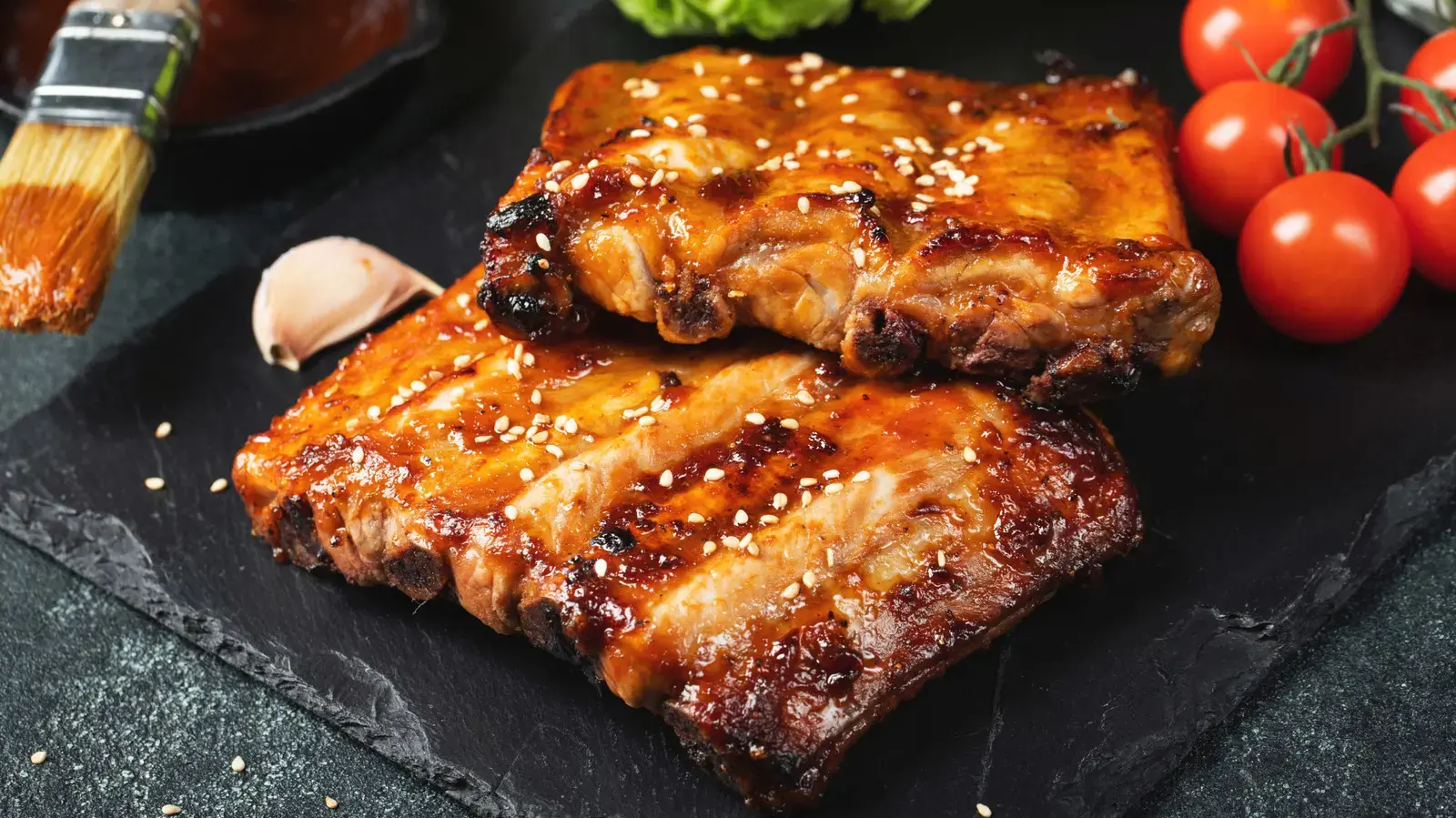
How a Single Juice Can Transform Your BBQ
The Science Behind the Sizzle
A simple addition of a single juice can dramatically enhance the flavor and texture of barbecue dishes, turning tough cuts into tender, fall‑off‑the‑bone favorites. This technique, popular among pitmasters, relies on the natural acidity of the juice to break down connective tissue while adding a sweet and slightly tangy profile.
Latest news
 Moe's Southwest Grill Menu Items Ranked from Worst to Best
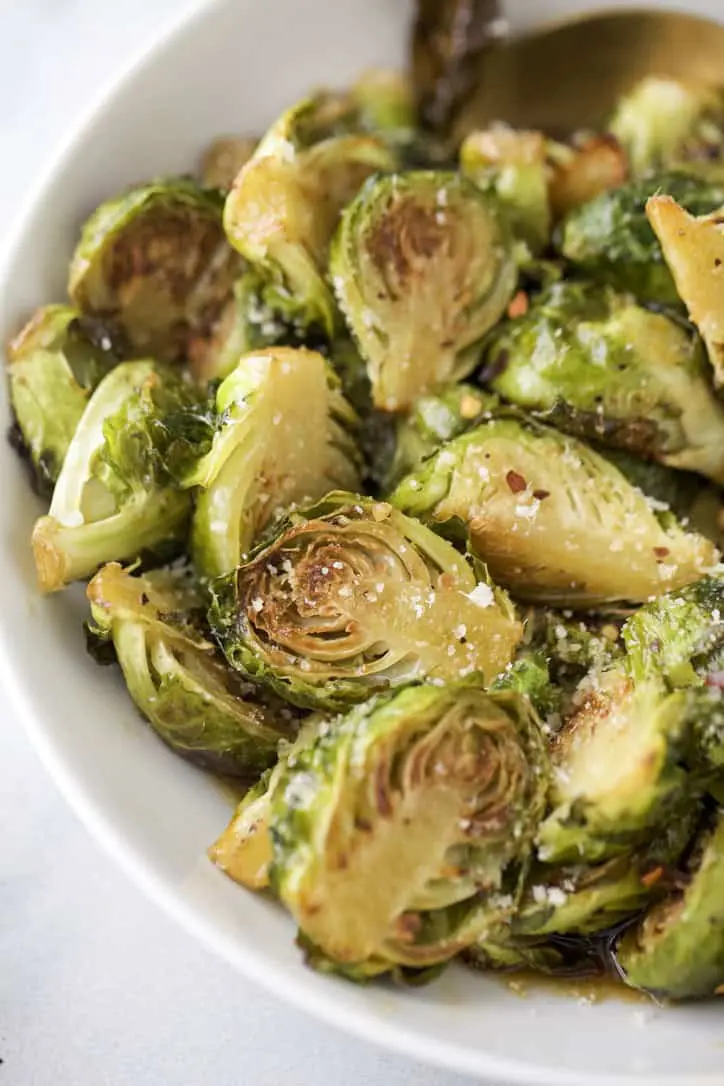 Hot Honey Brussels Sprouts: A Sweet‑Spicy Side That Turns Heads
 Turn Your Pasta Sauce Into a Nutritional Powerhouse
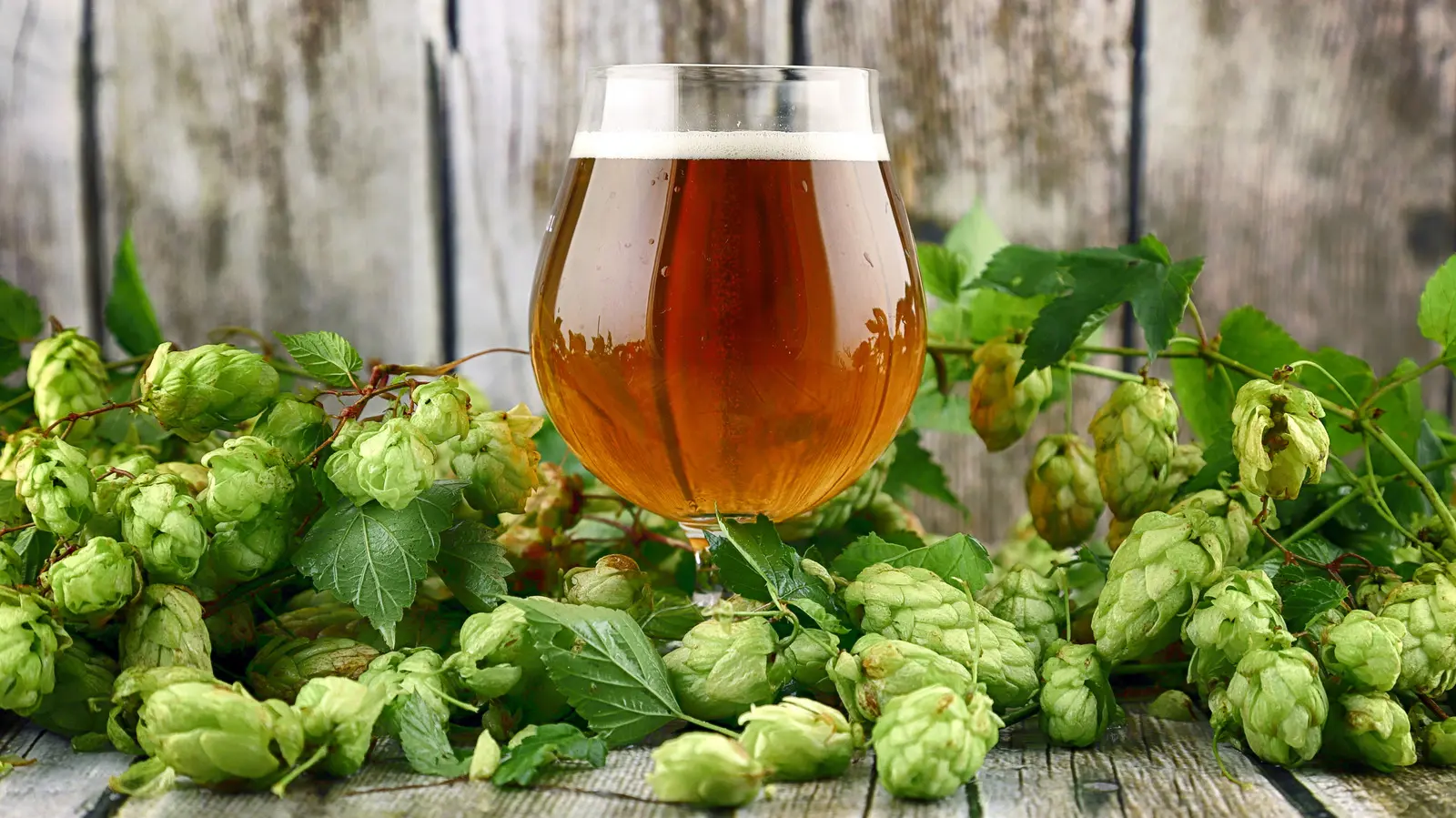 West Coast IPAs vs East Coast IPAs: A Flavor Battle Across the United States
The method involves selecting a juice that balances sweetness with acidity, such as apple, pineapple, or citrus blends. When incorporated into marinades or rubs, the juice’s acids work on the collagen in meat, softening it without compromising the smoky char that grill masters cherish. The result is a more succulent bite and a richer taste experience for diners.
Acids like citric and malic acid, found in many fruit juices, act on the proteins in meat. They disrupt the collagen fibers, making the meat easier to chew. In addition, the sugars present in the juice caramelize during cooking, creating a glossy glaze that locks in moisture. This dual action—protein breakdown and caramelization—explains why a single splash of juice can elevate a barbecue from ordinary to exceptional.
Can You Use Any Juice?
Experts note that the timing and quantity of the juice matter. A light brush before grilling allows the acids to penetrate, while a final squeeze during the last minutes of cooking adds a burst of flavor. The technique is especially effective on tougher cuts like pork shoulder, beef brisket, and chicken thighs, where connective tissue is abundant.
What types of juices work best for barbecue? The answer is that the most effective juices contain a balance of sugars and acids. Apple juice offers mild sweetness and moderate acidity, while pineapple juice delivers strong enzymatic activity that further softens meat. Citrus juices, such as orange or lemon, provide bright acidity and a refreshing finish. Mixing juices can also produce a custom flavor profile tailored to the dish.
How does this technique compare to traditional marinades? Traditional marinades often rely on oil, herbs, and spices to impart flavor and moisture. Adding a juice introduces a new dimension: the acids not only tenderize but also enhance the caramelization of the crust. This can reduce the need for high heat or long smoking times, saving energy and time in the kitchen.
The Flavor Impact on the Plate
The addition of a single juice can change the overall dining experience. Diners report a noticeable difference in texture, with meat that falls apart more easily and a sweeter, more complex flavor. This technique also allows pitmasters to experiment with regional styles—adding a splash of mango juice for a tropical twist or a hint of tomato juice for a classic barbecue vibe.
The trend is gaining traction in culinary circles, with chefs incorporating juice-based marinades into their menus. Restaurants that offer this twist on traditional barbecue have seen increased foot traffic and positive reviews, suggesting that diners are eager for innovative flavor combinations.
Frequently Asked Questions
What is the best juice for pork barbecue? Apple or pineapple juice works well. Apple provides sweetness and mild acidity, while pineapple’s enzymes further tenderize the meat.
How much juice should I use? A few tablespoons for a large piece of meat is sufficient. Adjust based on the size of the cut and desired level of tenderness.
Can I use this technique with fish? Yes, but use caution. Fish is delicate; a light splash of citrus juice can add flavor without over‑tenderizing the flesh.
Content written by Tasting Table for fancy-meals.com editorial team, AI-assisted.