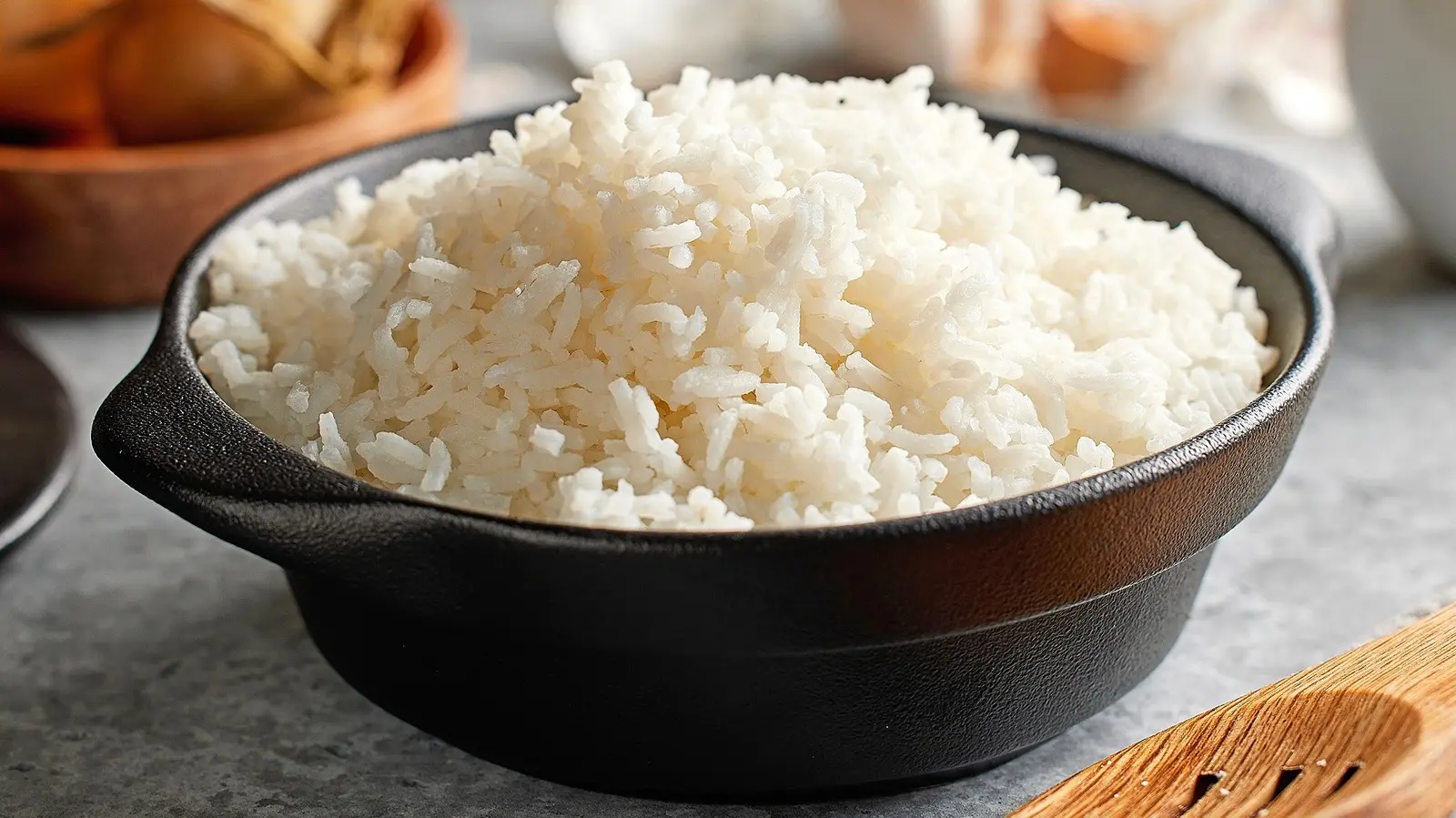
How a Tiny Canned Vegetable Can Transform Plain Rice
Why Canned Vegetables Are Making a Comeback
A single small can of a regional vegetable can add flavor, texture, and color to ordinary stovetop rice. The product, available in various flavors from bright and nutty to savory, is marketed as a quick fix for bland grains. It is sold in supermarkets across the United States and is promoted on social media and food blogs.
Latest news
 Moe's Southwest Grill Menu Items Ranked from Worst to Best
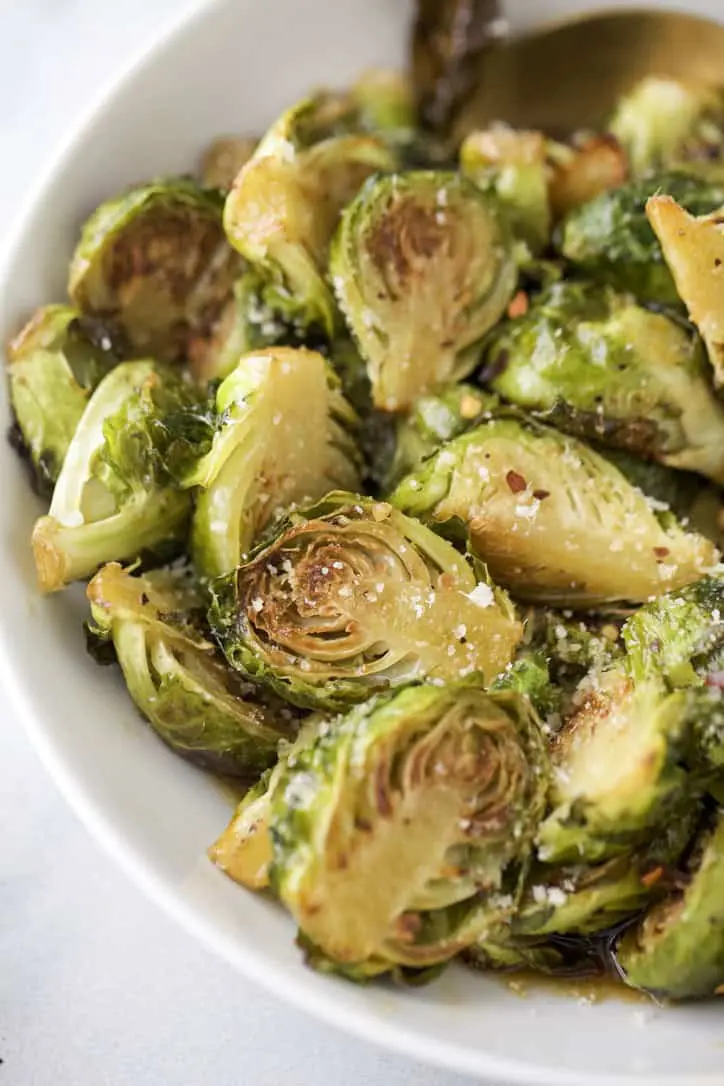 Hot Honey Brussels Sprouts: A Sweet‑Spicy Side That Turns Heads
 Turn Your Pasta Sauce Into a Nutritional Powerhouse
 West Coast IPAs vs East Coast IPAs: A Flavor Battle Across the United States
The idea is simple: add a spoonful of the canned vegetable to freshly cooked rice, stir, and serve. The vegetable’s natural sugars caramelize during cooking, giving the rice a subtle sweetness and a pleasant crunch. Chefs and home cooks alike report that the addition reduces the need for extra salt or butter. The product’s packaging claims it contains no artificial additives, making it appealing to health-conscious consumers.
Canned produce has long been criticized for losing nutrients, but recent advances in canning technology preserve flavor and texture better than before. This particular vegetable is harvested from a specific region, ensuring consistent taste across batches. Food scientists explain that the canning process locks in natural sugars and essential oils, which release during cooking. As a result, the rice gains a depth of flavor that would otherwise require a complex spice blend.
Can It Replace Traditional Seasonings?
Customers who try the product often note a noticeable difference in mouthfeel. „It’s like the rice has a new personality,” says one user who posted a review online. The crunchiness of the vegetable also adds a textural contrast that many find satisfying. Because the can is pre‑cooked, there is no need to rinse or drain, saving time for busy households.
Many people wonder whether this canned vegetable can stand in for salt, pepper, or butter. While it does reduce the amount of added salt, the product’s flavor profile is distinct. „It’s not a one‑to‑one substitute,” says a culinary expert. Instead, it works best as a complementary ingredient. Pairing it with a splash of lemon juice or a pinch of cumin can elevate the dish further.
The product’s popularity has sparked a trend among home cooks to experiment with other canned vegetables. Some have begun mixing canned peas, corn, or carrots into rice, each offering a different taste and color. This experimentation aligns with a broader move toward convenient, healthy meal options that require minimal prep.
The Broader Impact on Food Waste and Sustainability
Because the vegetable is canned, its shelf life extends beyond fresh produce, reducing spoilage. Retailers report lower waste rates for this product compared to fresh counterparts. Moreover, the canning process uses less water and energy than growing, harvesting, and transporting fresh vegetables. As consumers become more aware of sustainability, such products may see increased demand.
In the near future, manufacturers might explore new flavor combinations or larger can sizes to cater to family meals. Restaurants could adopt the canned vegetable as a quick way to add variety to their rice dishes without compromising on taste or cost.
Frequently Asked Questions
Does the canned vegetable contain added salt? The product is labeled „no added salt,” but it does contain natural sodium from the vegetable itself.
Can it be used with brown rice? Yes, the vegetable can be mixed into brown rice, though the cooking time for the rice should be adjusted accordingly.
Is it suitable for people on a low‑sodium diet? Because it contains natural sodium, those on strict low‑sodium diets should use it sparingly or choose a brand that offers a low‑sodium version.
Content written by [email protected] (Crystal Antonace) for fancy-meals.com editorial team, AI-assisted.