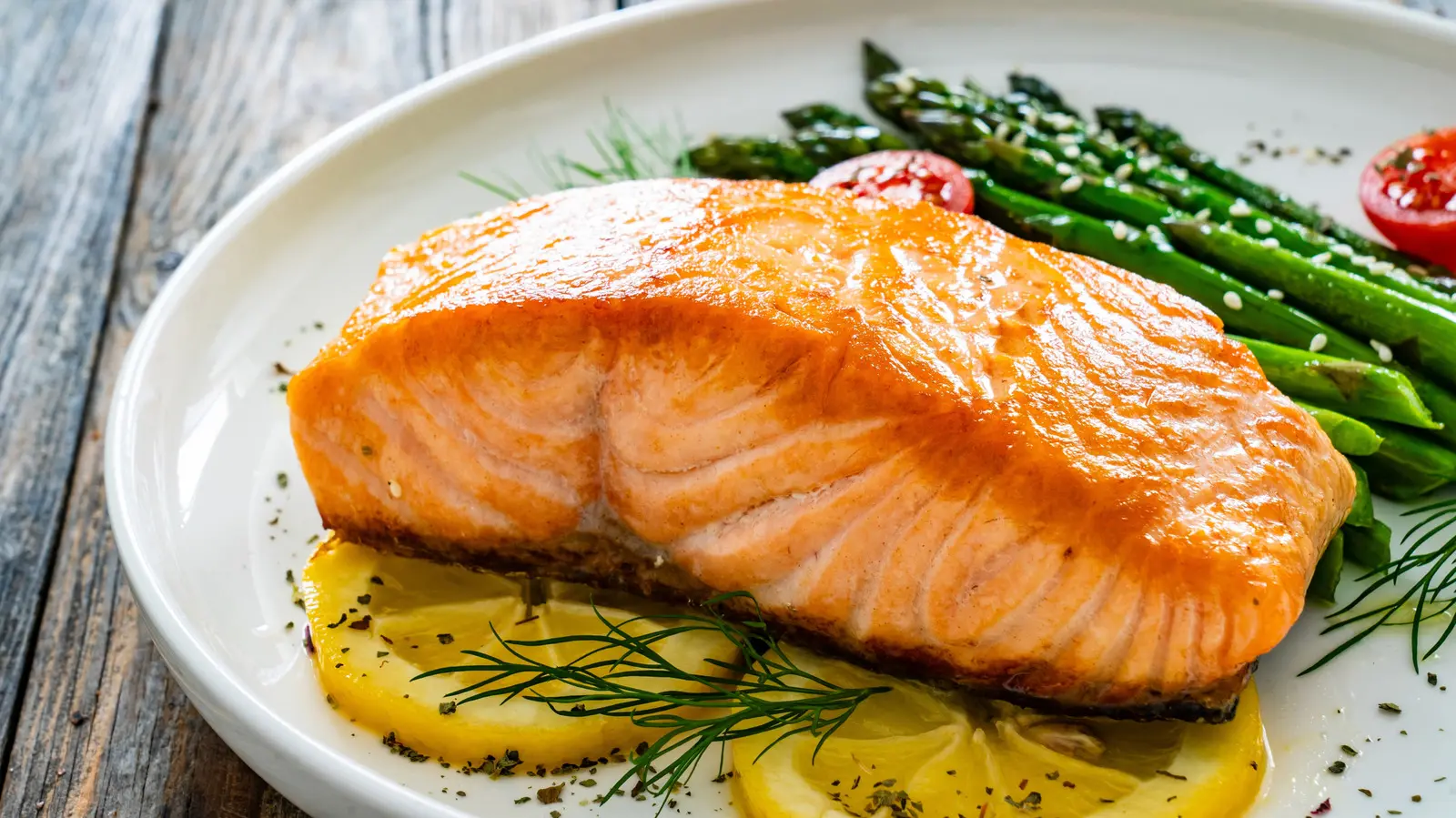
Baked Salmon Gets a Gourmet Upgrade with Parmesan and Breadcrumbs
From Ordinary to Extraordinary: The Science Behind the Crunch
A simple salmon fillet, seasoned with salt, pepper, and a splash of lemon, can feel ordinary after several cookings. Adding grated Parmesan and panko breadcrumbs turns the dish into a crispy, umami‑rich entrée that feels fresh and special, even when using frozen fillets.
Latest news
 Costco's Frozen Dumpling Lineup, Ranked From Least To Most Tasty
 Best stainless-steel frying pans 2026: expert-tested picks for searing, eggs and daily cooking
 Trader Joe’s First‑Time Shopper Guide: Must‑Try Items
 Panda Express vs P.F. Chang's: Which Orange Chicken Is Healthier?
The technique involves coating each fillet in a mixture of finely grated Parmesan cheese and flaky breadcrumbs before baking. The cheese melts into a golden crust, while the breadcrumbs provide a satisfying crunch. The result is a salmon that feels buttery on the inside and crisp on the outside, with a savory depth that elevates a basic preparation.
The combination of Parmesan and breadcrumbs works on both texture and flavor. Parmesan contains natural salts and fats that melt into a glossy coating, while breadcrumbs absorb moisture and expand, creating a light, airy crust. When baked, the cheese browns, releasing nutty aromas, and the breadcrumbs toast, producing a subtle crunch that contrasts with the tender fish. The umami from the cheese enhances the salmon’s natural richness, making each bite more satisfying.
How to Achieve the Perfect Crust: A Step‑by‑Step Guide
Chefs who have experimented with this method report that the crust holds the fish together, preventing flaking during cooking. The coating also locks in moisture, ensuring the salmon remains juicy. For those who rely on frozen fillets, the breadcrumb‑cheese layer compensates for any loss of freshness, delivering a texture that feels almost like a freshly caught fillet.
First, preheat the oven to 400°F (200°C). Pat the salmon dry and season lightly with salt and pepper. In a shallow dish, combine equal parts grated Parmesan and breadcrumbs. Dredge each fillet in the mixture, pressing gently to adhere. Place the coated fillets on a baking sheet lined with parchment paper. Bake for 12–15 minutes, or until the crust is golden and the fish flakes easily with a fork. A quick squeeze of lemon before serving adds brightness and balances the richness.
The technique is versatile. For a lighter version, substitute whole‑grain breadcrumbs or use a mixture of breadcrumbs and crushed almonds. If you prefer a more pronounced cheese flavor, increase the Parmesan ratio. The method also works with other fish such as trout or cod, offering a quick way to transform a plain bake into a restaurant‑style dish.
Is This Method Worth the Extra Effort?
Many home cooks question whether the extra step of coating salmon with Parmesan and breadcrumbs is necessary. The answer lies in the sensory experience. The crunchy crust provides a textural contrast that many find appealing, while the cheese’s umami lifts the flavor profile. Even for a quick weeknight meal, the added effort is minimal, and the payoff is a dish that feels elevated.
For those who value convenience, the coating can be prepared in advance. Simply mix the Parmesan and breadcrumbs, store in an airtight container, and use as needed. This preparation saves time on busy nights and ensures a consistent result every time.
Frequently Asked Questions
Can I use a different type of cheese instead of Parmesan? Yes, sharp cheddar or Gruyère can work, but they will alter the flavor profile. Parmesan offers a subtle nutty taste that complements salmon well.
Will the breadcrumbs burn if I bake at a higher temperature? Higher temperatures can cause the breadcrumbs to brown quickly. Keep the oven at 400°F (200°C) and monitor the crust to prevent burning.
Is this method suitable for vegetarian or vegan diets? The recipe itself is fish‑based, but you can adapt it for plant‑based proteins by using tofu or tempeh. Use vegan Parmesan and breadcrumbs to maintain the flavor and texture.
Content written by [email protected] (Amber Sutherland-Namako) for fancy-meals.com editorial team, AI-assisted.