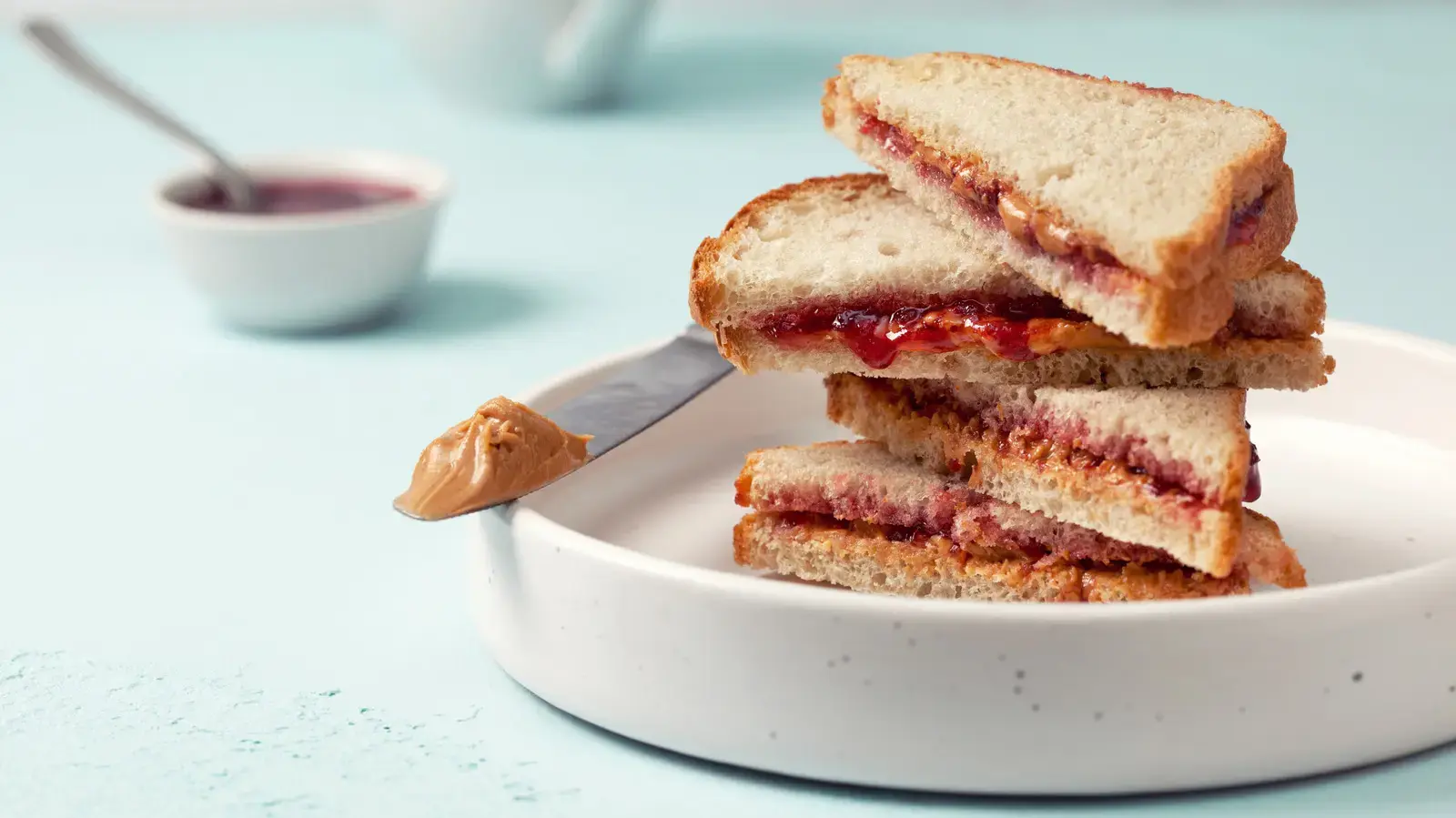
Peanut Butter Jelly Sandwiches Get a Gourmet Upgrade With Italian Cheese
Why Salty Dairy Enhances Sweet Nutty Flavors
The classic American peanut butter and jelly sandwich is undergoing a culinary transformation. Food enthusiasts are now pairing the humble staple with Italian cheeses to create a sophisticated new flavor profile. This unexpected combination challenges traditional norms while elevating the simple lunchtime favorite into a gourmet experience. The trend highlights how savory dairy products can balance sweet and nutty elements effectively.
Latest news
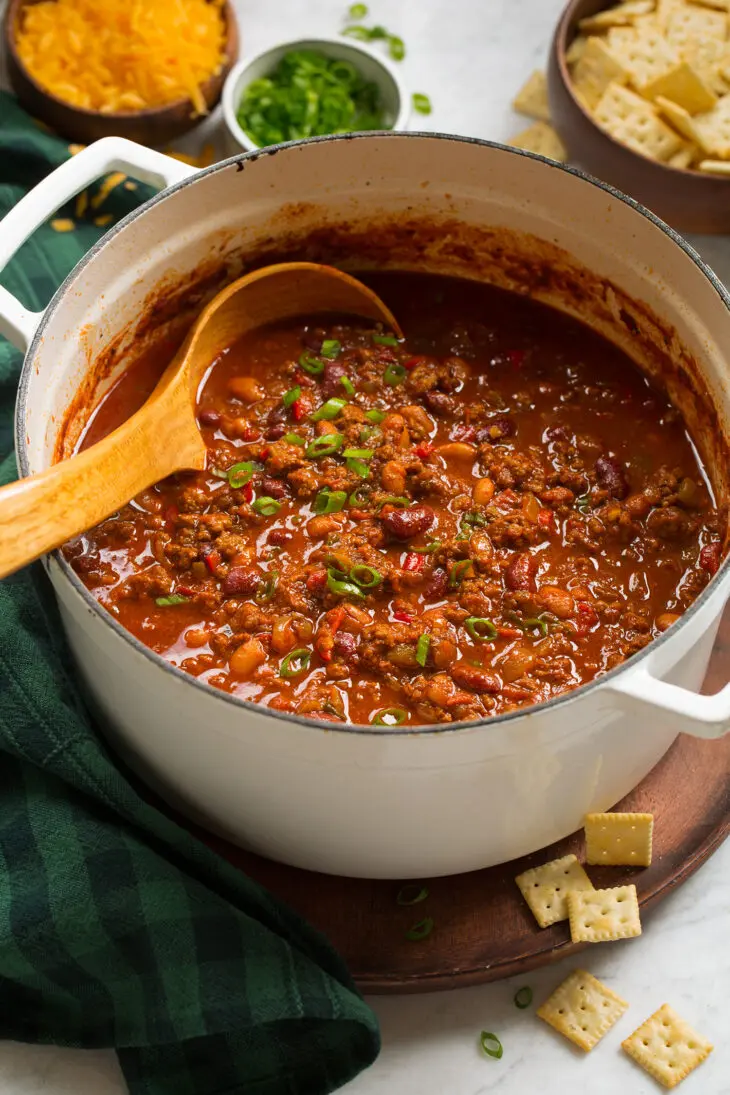 The Ultimate Homemade Chili Recipe for Cold Weather
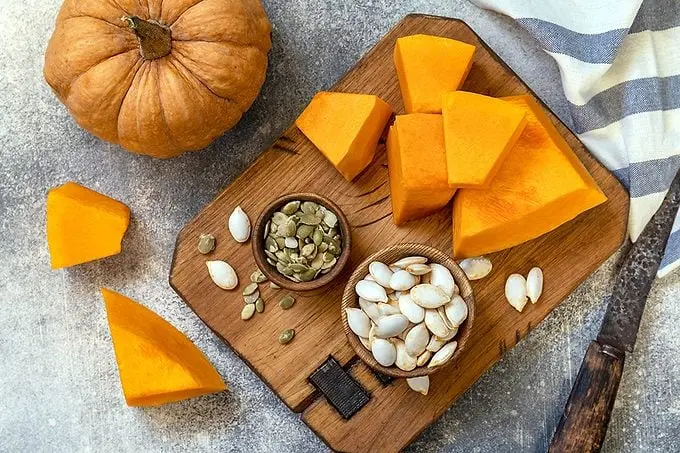 The Nutritional Power of Pumpkin Beyond Seasonal Desserts
 A Culinary Journey Through the 30th Epcot International Food and Wine Festival
 Burger King Unleashes Hello Kitty Kids' Meal with Ultra-Rare Golden Collectible
The addition of specific Italian cheeses introduces complex saltiness that contrasts sharply with the sweetness of jelly. This balance creates a richer mouthfeel and deeper taste layers. The result is a sandwich that feels far more substantial than its basic ingredients suggest. Chefs and home cooks alike are experimenting with various types to find the perfect match for their preferred spreads.
The science behind this pairing relies on contrast. Peanut butter offers a dense, savory base that often lacks brightness. Jelly provides sugar and fruit acidity but can feel one-dimensional on its own. Adding a sharp Italian cheese introduces a salty punch that cuts through the richness. This interplay prevents the palate from becoming fatigued by sweetness or heaviness. The cheese acts as a bridge between the two main components, unifying them into a cohesive bite.
Does This Combination Have Historical Roots?
Food experts note that the texture of crumbled cheese adds another dimension. It provides a slight crunch against the smooth spreads. This textural variety keeps the eating experience dynamic. The salt in the cheese also amplifies the natural flavors of both the peanut butter and the fruit preserve. It makes the fruit taste fresher and the nuts taste more roasted. This technique mirrors principles used in fine dining, where contrasting elements are used to highlight primary ingredients.
While the modern trend may seem new, the concept of mixing sweet and salty has deep roots. Many cultures have long paired fruits with cured meats or aged cheeses. The Italian influence brings a specific type of sharpness that distinguishes it from other dairy options. The goal is not to replace the jelly but to complement it. Critics might view this as unnecessary complexity, yet proponents argue it respects the integrity of each ingredient. The debate continues among purists who prefer the sandwich in its simplest form. However, the growing popularity suggests a shift in consumer preferences toward more layered flavors.
The outlook for this culinary experiment looks promising. As home cooking becomes more adventurous, simple recipes are evolving rapidly. Restaurants may soon feature these elevated sandwiches on their menus. The key to success lies in moderation. Too much cheese can overpower the delicate fruit notes. A small amount is sufficient to transform the entire dish. This trend demonstrates that even the most basic foods can benefit from thoughtful ingredient pairing. Future variations might include different regional cheeses or alternative spreads. The core principle remains: balance creates excellence.
Frequently Asked Questions
Which Italian cheese works best with peanut butter and jelly? Sharp varieties like Pecorino Romano or aged Parmigiano Reggiano are ideal. Their high salt content provides the necessary contrast to the sweet jelly. The strong umami flavor enhances the nuttiness of the peanut butter without overwhelming it.
How much cheese should be added to the sandwich? A thin layer or a light sprinkle of crumbled cheese is recommended. Excessive amounts can make the sandwich too heavy and salty. Start with a small quantity and adjust based on personal taste preference.
Can any type of jelly be used with this method? Yes, most fruit jellies work well with this pairing. Dark fruits like blackberry or raspberry offer robust flavors that stand up to sharp cheese. Lighter fruits such as strawberry may require a milder cheese variety to maintain balance.
Content written by Henry Cross for fancy-meals.com editorial team, AI-assisted.