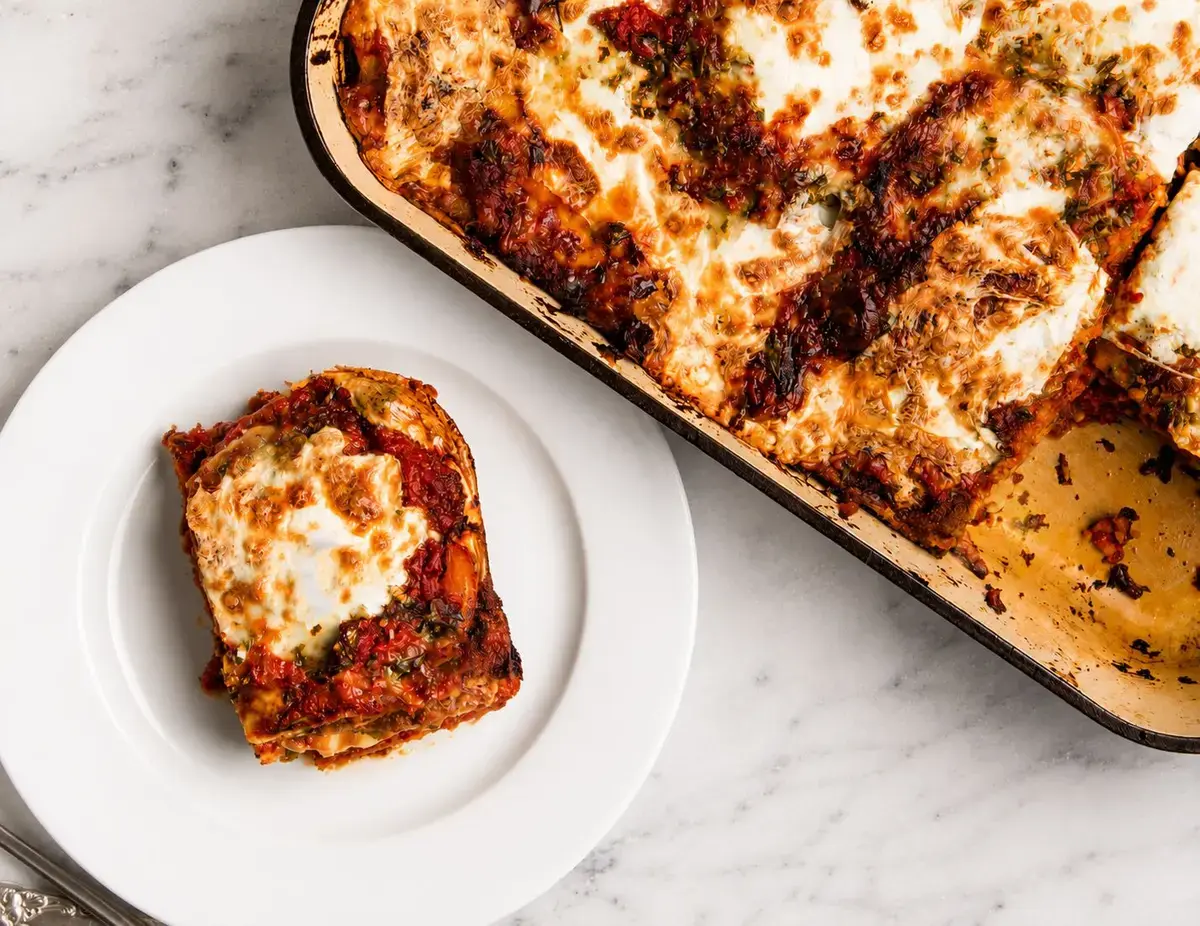
Classic Eggplant Parmesan Gets a Simple Upgrade with a Brine
Why Brining Beats Traditional Frying
A new recipe from Bon Appétit, published on July 30, 2026, shows home cooks how to achieve a richly flavored Eggplant Parmesan without the usual oily texture. Chef Rachel Dolfi explains that a brief brining step before breading the slices makes the difference, turning a classic comfort dish into a lighter, more satisfying meal.
Latest news
 The Ultimate Homemade Chili Recipe for Cold Weather
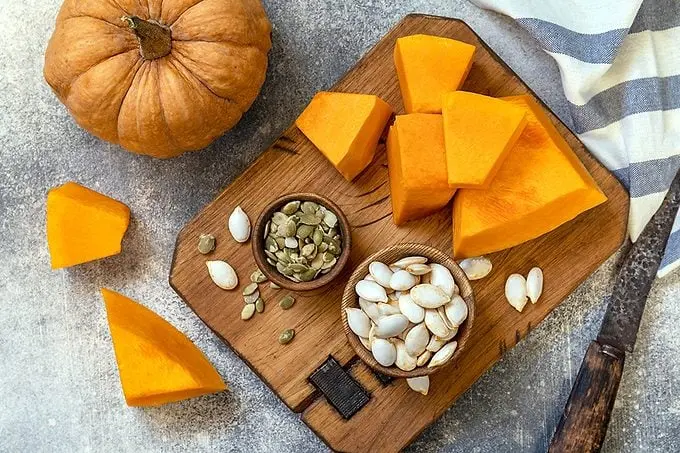 The Nutritional Power of Pumpkin Beyond Seasonal Desserts
 A Culinary Journey Through the 30th Epcot International Food and Wine Festival
 Burger King Unleashes Hello Kitty Kids' Meal with Ultra-Rare Golden Collectible
The technique involves soaking sliced eggplant in a saltwater solution for about thirty minutes, then patting the pieces dry before coating them in flour, egg, and breadcrumbs. The brine draws out excess moisture, which reduces oil absorption during frying and helps the cheese melt evenly. Dolfi notes that the method also enhances the vegetable’s natural sweetness, allowing the tomato sauce and mozzarella to shine without being overwhelmed by bitterness.
When eggplant is cooked directly from the garden, its porous flesh tends to soak up oil, leaving a greasy finish. By introducing a controlled brine, the vegetable’s cells contract, releasing water that would otherwise become oil. The result is a crisp exterior that stays dry inside, even after a quick sauté in olive oil. „The brine is the unsung hero,” Dolfi says, „because it lets the eggplant retain its shape while keeping the dish light.” Test kitchens reported a 20 percent reduction in oil usage compared with standard recipes, and taste panels praised the balanced texture.
Can This Simple Step Elevate Other Vegetable Dishes?
The success of the brined Eggplant Parmesan suggests the method could be applied to other moisture‑rich vegetables such as zucchini or mushrooms. By adjusting the salt concentration and soaking time, chefs can tailor the technique to different produce, potentially improving the texture of fried or baked dishes across the board. Culinary experts are already experimenting with brined cauliflower steaks and egg‑free plant‑based „parmesan” alternatives, hoping to replicate the same crisp‑yet‑tender result.
With the brining tip gaining traction, home cooks are likely to revisit classic Italian recipes, reducing reliance on heavy sauces and excessive frying. The approach aligns with broader trends toward healthier comfort food, offering a straightforward way to enjoy familiar flavors without compromise. As more food writers highlight the brine’s benefits, it may become a staple step in kitchens worldwide.
Frequently Asked Questions
How long should the eggplant stay in the brine? A soak of 20 to 30 minutes is sufficient to draw out moisture without making the slices too salty. Rinse briefly and dry thoroughly before proceeding.
Will the brine affect the seasoning of the final dish? The salt in the brine lightly seasons the eggplant, so you can reduce added salt in the sauce or breadcrumb mixture to avoid over‑seasoning.
Can I use a different type of salt for the brine? Both kosher and sea salt work well; just ensure the grains dissolve fully in water to create an even solution.
Content written by Victoria Lane for fancy-meals.com editorial team, AI-assisted.