A Food Waste Transformation in a Welsh Town
How Can You Join the Movement?
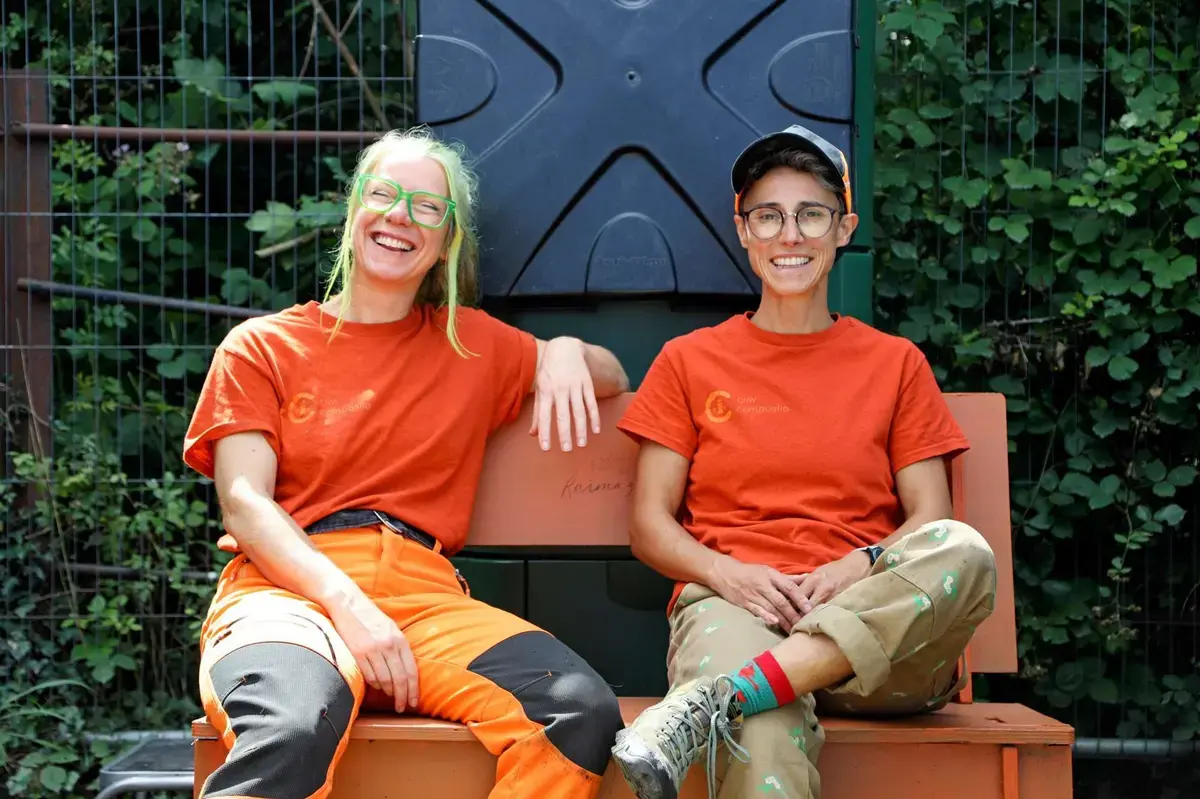
In the heart of Machynlleth, Wales, Steph Robinson and Ffin Jordão are making significant strides in reducing food waste. They left their conventional jobs to focus on turning unwanted leftovers into compost, aiming to inspire sustainable practices in their community. Their initiative has gained attention since its inception, showcasing a practical approach to tackling food waste.
Latest news
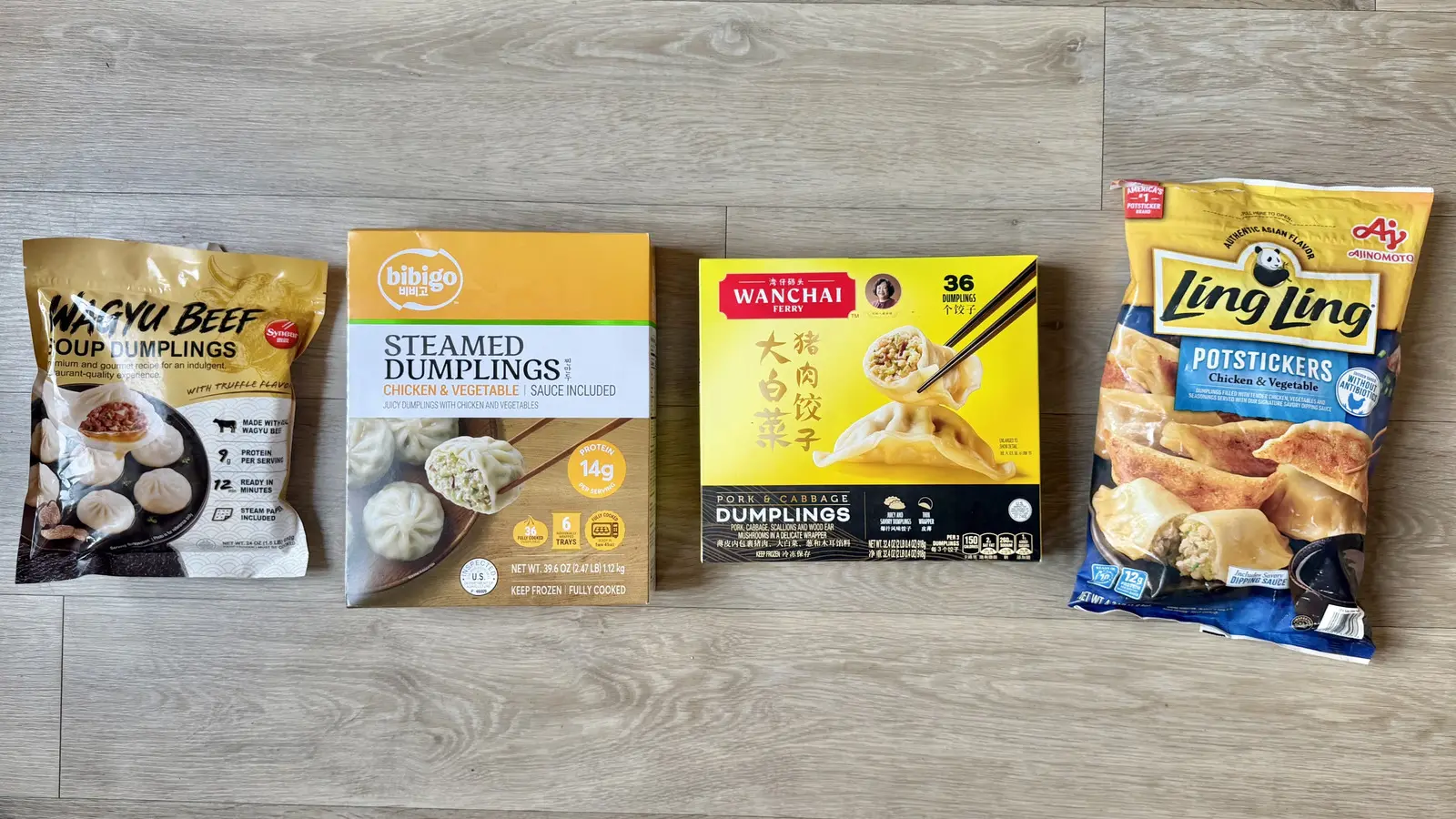 Costco's Frozen Dumpling Lineup, Ranked From Least To Most Tasty
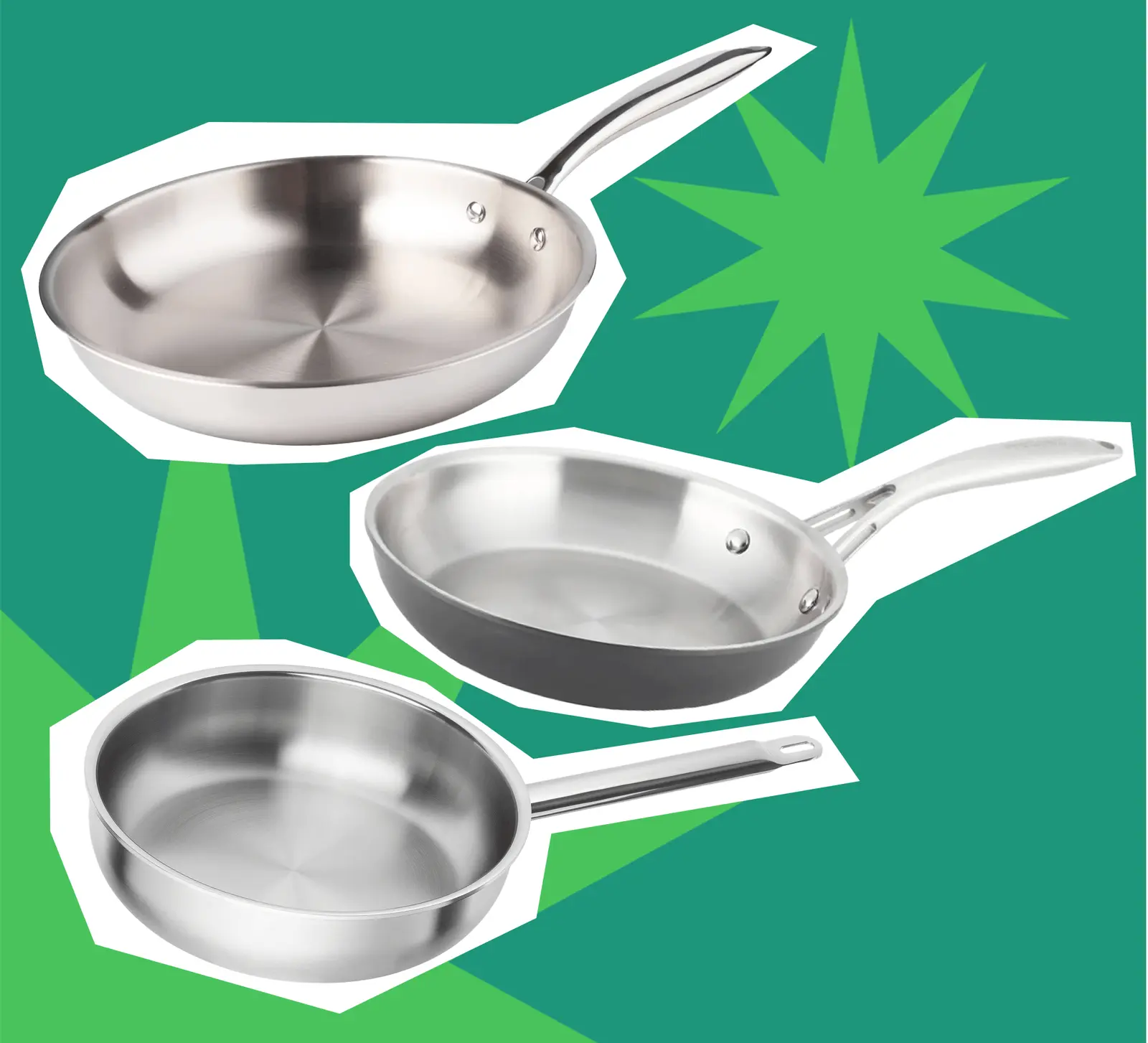 Best stainless-steel frying pans 2026: expert-tested picks for searing, eggs and daily cooking
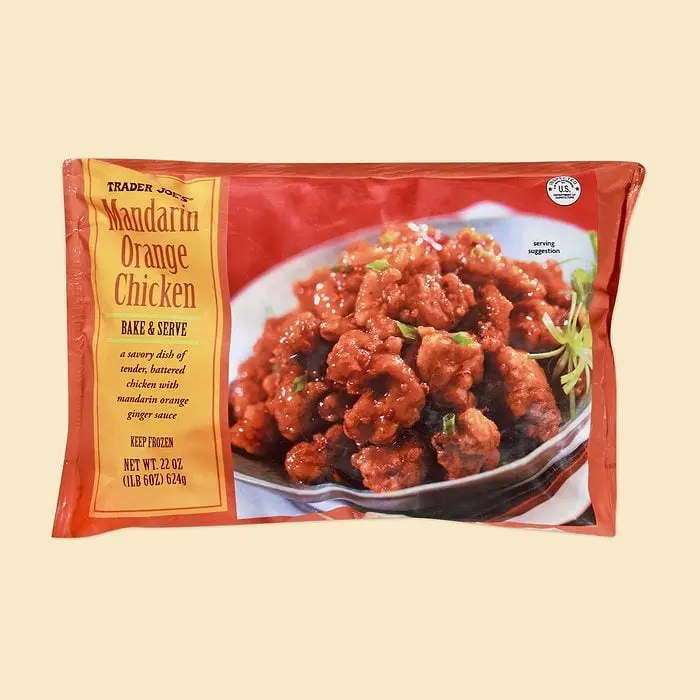 Trader Joe’s First‑Time Shopper Guide: Must‑Try Items
 Panda Express vs P.F. Chang's: Which Orange Chicken Is Healthier?
Robinson and Jordão's journey began with a shared passion for sustainability. They observed the staggering amount of food discarded daily and decided to take action. By collecting surplus food from local businesses and households, they convert these leftovers into nutrient-rich compost. This not only reduces waste but also enriches the soil, promoting healthier plant growth. Their project has sparked interest among residents and local farmers, highlighting the importance of composting in a circular economy.
The duo emphasizes that anyone can contribute to this food waste revolution at home. Simple practices like composting kitchen scraps, planning meals better, and donating excess food can make a difference. They encourage residents to start small, perhaps by setting up a compost bin in their backyard or participating in local food-sharing initiatives. By raising awareness, they hope to cultivate a community that prioritizes sustainability.
What Challenges Do They Face?
Robinson shared, „Every little effort counts. If we all make small changes, we can collectively have a huge impact.”Their workshops and community events have been well-received, fostering a spirit of collaboration among participants. People are learning not only about composting but also about reducing overall food waste.
Despite their successes, Robinson and Jordão encounter challenges. Not everyone is aware of the benefits of composting, and some may be resistant to change. Educating the community remains a priority. They are working on developing more resources and support systems to help others transition to sustainable practices.
The duo also faces logistical challenges in collecting food waste. Coordinating with local businesses and ensuring proper disposal methods can be complex. However, their determination drives them to overcome these obstacles. They believe that with persistence, they can inspire a broader movement throughout Wales and beyond.
The impact of their work is already being felt in Machynlleth. As more residents engage in composting and waste reduction, the town is becoming a model for sustainability. The initiative has the potential to influence other communities, showcasing how grassroots efforts can lead to significant environmental changes.
Frequently Asked Questions
What is composting, and why is it important? Composting is the process of breaking down organic waste into nutrient-rich soil. It reduces landfill waste and enriches gardens, promoting healthier plants.
How can I start composting at home? Begin by collecting kitchen scraps like fruit peels and vegetable trimmings. Invest in a compost bin or create a pile in your garden. Regularly turn the compost to aerate it and speed up the decomposition process.
Can I compost all food waste? Not all food waste is suitable for composting. Avoid meat, dairy, and oily foods, as they can attract pests. Focus on fruits, vegetables, and plant-based scraps for best results.
Content written by Lucas Carter for fancy-meals.com editorial team, AI-assisted.