Used Coffee Grounds Transform Into Healthy Snack, Fighting Food Waste
How Coffee Grounds Add Nutrition and Texture
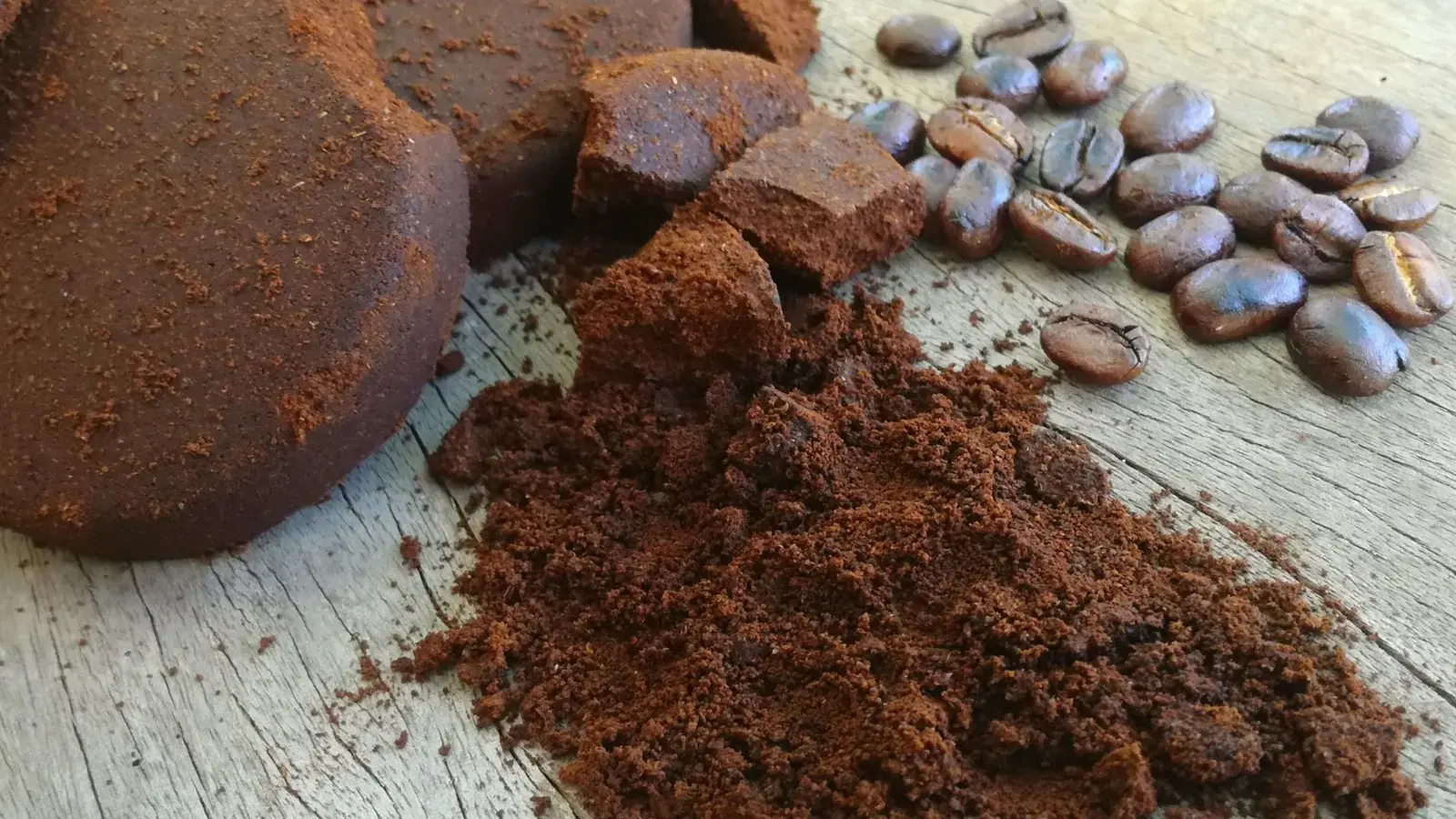
Home cooks are discovering a clever way to put yesterday's coffee grounds to work beyond the garden. Instead of tossing spent grounds, bakers are folding them into energy balls and granola bars, turning potential waste into a fiber-rich treat. The trend gained momentum after food waste experts highlighted coffee grounds' nutritional value and environmental impact.
Latest news
 Costco's Frozen Dumpling Lineup, Ranked From Least To Most Tasty
 Best stainless-steel frying pans 2026: expert-tested picks for searing, eggs and daily cooking
 Trader Joe’s First‑Time Shopper Guide: Must‑Try Items
 Panda Express vs P.F. Chang's: Which Orange Chicken Is Healthier?
The practice builds on years of gardeners using used grounds as compost or fertilizer. Now, chefs and sustainability advocates are encouraging people to eat the grounds directly. A typical recipe calls for mixing one to two tablespoons of cooled, used coffee grounds with oats, nut butter, honey, and chopped nuts. The result is a chewy, slightly earthy snack packed with antioxidants and caffeine residue.
Used coffee grounds retain about 20% of the original caffeine and a surprising amount of antioxidants, according to food scientists. They also contribute dietary fiber, which supports digestion and helps regulate blood sugar. When combined with binding ingredients like dates or nut butter, the grounds hold the mixture together without making it gritty. Bakers report that the grounds absorb excess moisture, giving snacks a firmer, more satisfying texture.
Can You Really Eat Used Coffee Grounds?
Yes, used coffee grounds are safe to consume in small amounts. They are simply roasted coffee beans that have been brewed once or twice, leaving behind fiber, minerals, and trace caffeine. The key is using them after brewing, while still fresh, and pairing them with complementary flavors like cocoa, cinnamon, or vanilla. Overused or stale grounds may taste bitter, so timing matters.
Food waste researchers estimate that the average household throws away hundreds of pounds of coffee grounds each year. Repurposing them into snacks cuts that waste while reducing the need for store-bought ingredients. Some cafes have even begun collecting used grounds to donate to local bakeries and community kitchens.
Looking ahead, nutritionists expect more cookbooks and meal-planning apps to feature coffee-ground recipes as part of broader zero-waste cooking movements. Schools and corporate cafeterias are testing similar ideas, suggesting the trend could move from niche to mainstream.
Frequently Asked Questions
Can used coffee grounds cause digestive issues? In small quantities, used coffee grounds are generally well tolerated. However, consuming large amounts may lead to stomach upset due to their high fiber content. Start with one tablespoon per serving.
Do the snacks taste like coffee? The flavor is mild and earthy rather than strongly coffee-like. Most recipes balance the grounds with sweeteners and spices, so the taste blends in rather than dominating.
How should you store coffee-ground snacks? Keep them in an airtight container in the refrigerator for up to five days. For longer storage, freeze individual portions and thaw as needed.
Content written by Victoria Lane for fancy-meals.com editorial team, AI-assisted.